Portuguese
  Spanish


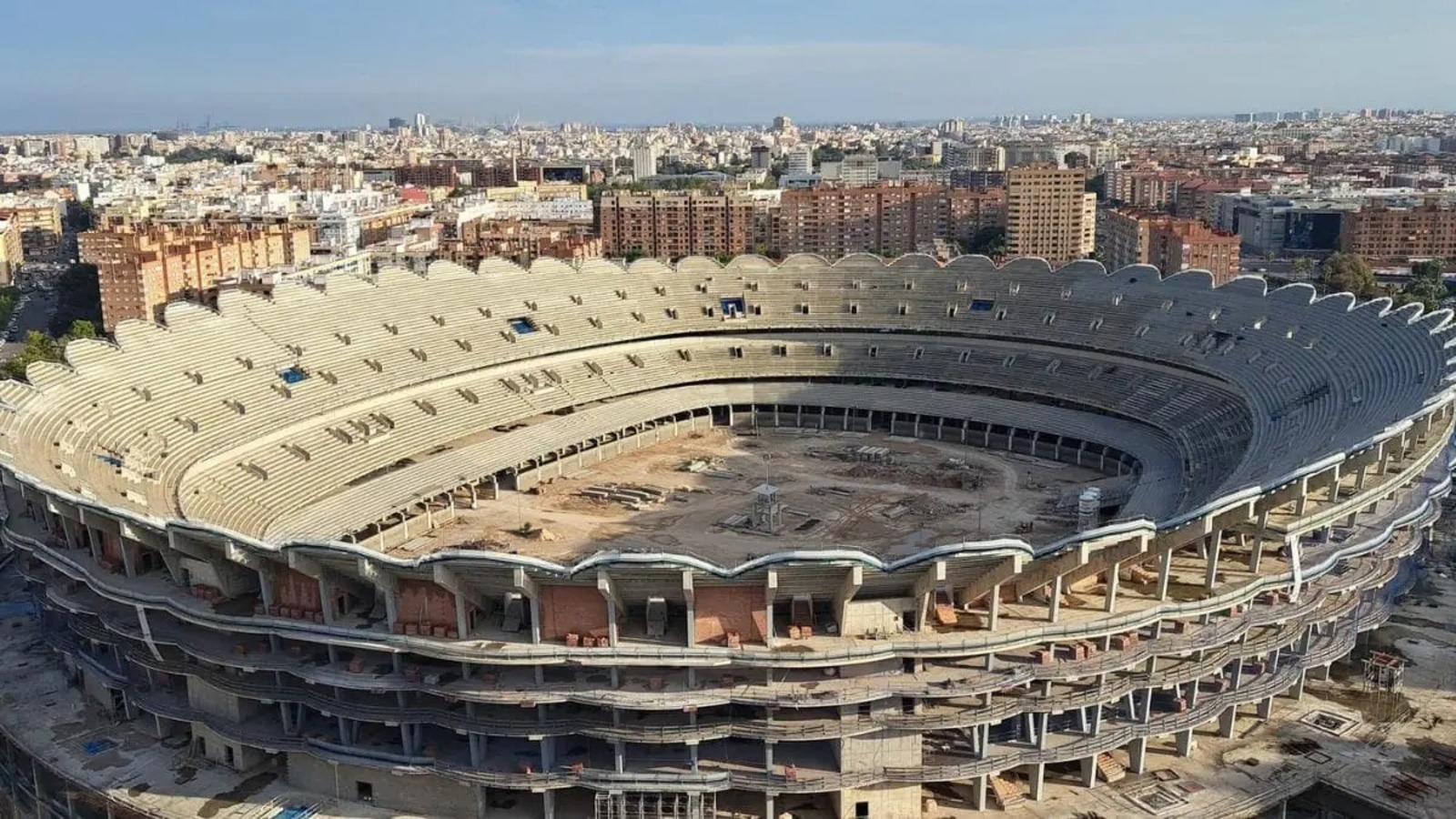


With Billion-Dollar Financing from Goldman Sachs, Valencia Resumes Construction of the New Mestalla, a Modern Stadium for 70,000 Fans Set to Open in 2027 and May Host Matches of the 2030 World Cup
After more than 15 years of stagnation, Valencia’s so-called “ghost stadium” finally has a date to come to life. The Spanish club announced that it has resumed construction of the New Mestalla, its future home, thanks to a loan of 322 million euros — equivalent to over R$ 2 billion.
The amount will be lent by the investment bank Goldman Sachs. The club plans to repay the loan with the sale of the land where the old Mestalla stadium currently stands, which will be deactivated as soon as the new arena is inaugurated.


New Home with Capacity for 70,000 Fans
The project envisions a modern stadium with over 70,000 seats, nearly 10% of which will be designated for boxes.
-
City Hall spends almost R$ 2 million on a wooden bridge only 2.5 meters wide to prevent the isolation of 5,000 people, but information about lifespan, load, and maintenance does not appear in public disclosures.

-
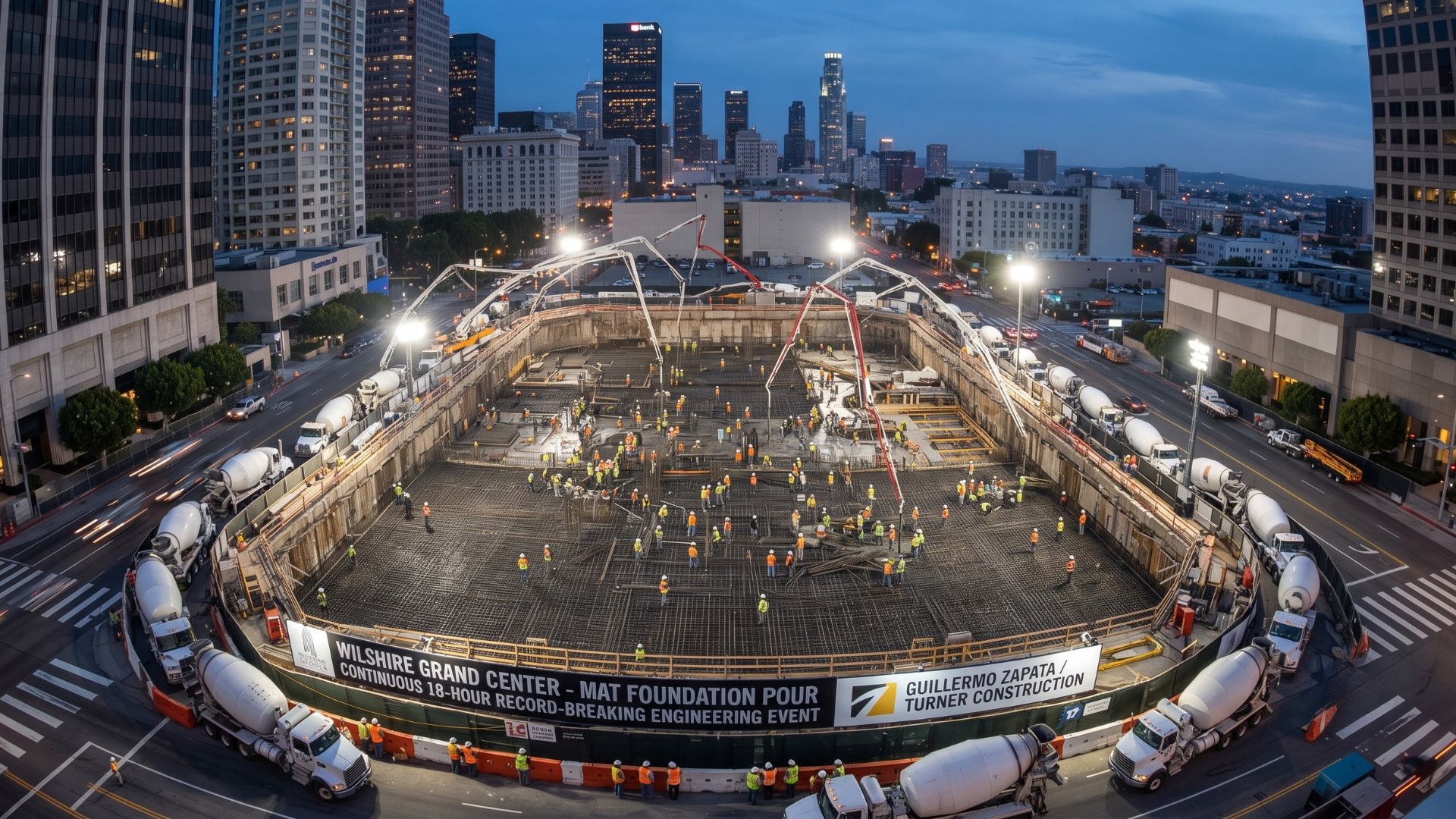
More than 2,100 trucks transported 16,200 cubic meters of concrete without interruption to create the foundation of the tallest skyscraper in the western United States and break a world record.

-
The man who started in construction with his own house founded a company in 1957, went through a banking crisis in 1987, and ended up connected to 16,500 houses in Houston.

-
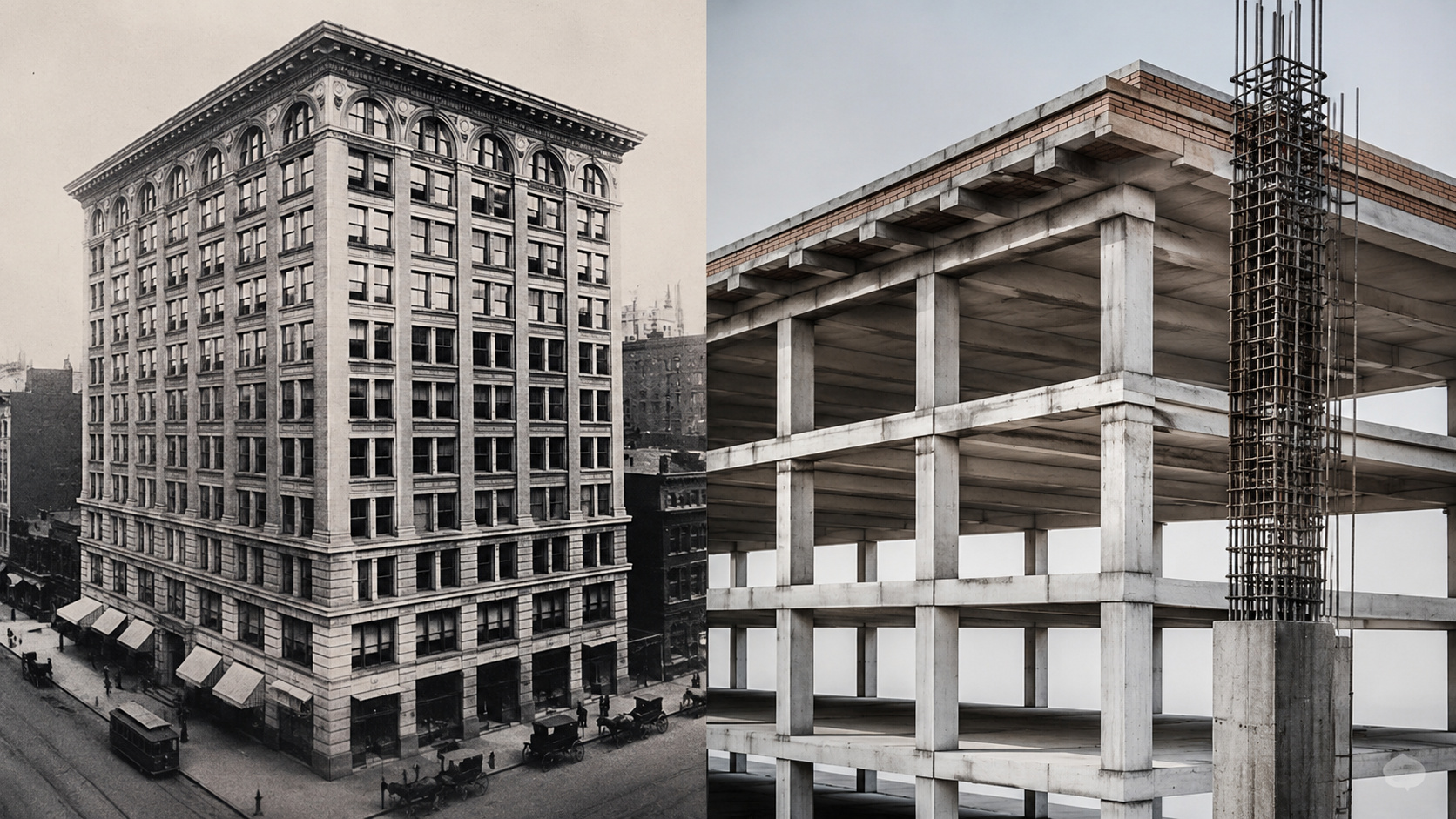
Builders challenged experts, erected a 16-story building using only reinforced concrete when the known limit was six floors, and proved that skyscrapers would never be the same again.


In addition to football matches, Valencia intends to use the space for entertainment events, which could generate new revenue and boost local tourism.
The club has set 2027 as the year for the official inauguration. The expectation is that the New Mestalla will host matches of the 2030 World Cup, which will have Spain among its host nations.

Ongoing Construction and Restart
Currently, the construction is focused on the foundation of the first tier of the stands. Old walls have been demolished because they no longer fit the revised project, and new structures are beginning to rise.
Additionally, the construction of internal partitions and the first pieces of the facade is progressing rapidly.
After years of neglect and financial difficulties, Valencia is once again seeing its dream take shape — brick by brick.
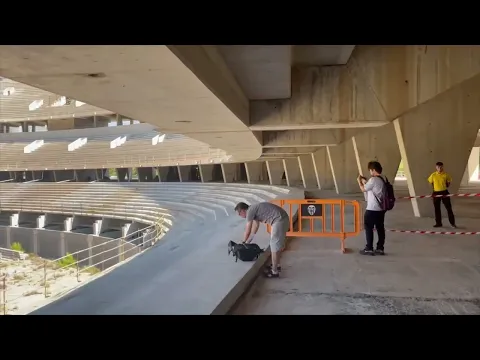
The Story of the Ghost Stadium Mestalla
The story of the New Mestalla is also the story of one of the biggest frustrations and hopes in Spanish football. The original project was conceived in 2007, when Valencia was experiencing a period of sporting and financial stability.
The plan was ambitious: to build an ultramodern stadium with a bold design, sustainable structure, and capacity for more than 75,000 people — the largest private stadium in Spain.
The construction began with enthusiasm, but a few years later the scenario changed drastically.
The Club Felt the 2008 Crisis
The global economic crisis of 2008 hit the club hard, which found itself unable to maintain the pace of construction.
Debts accumulated, sponsorships disappeared, and the construction site became overtaken by rust and weeds.
What should have been a symbol of modernity turned into an urban skeleton in northern Valencia, surrounded by fences and silence.
The Nickname “Ghost” Emerges
It was during this period that the stadium earned the nickname “ghost.” The unfinished structure became a constant reminder of the club’s financial collapse.
For over a decade, the site received only sporadic visits from curious onlookers, photographers, and nostalgic fans who, between pride and disappointment, saw the exposed concrete as a portrait of what Valencia could have been.
The project was revised several times. Architects and engineers had to adapt the original design to the new economic reality.
The grand concept gave way to a more functional proposal, focusing on energy efficiency and reduced costs.
The current design maintains modern lines but prioritizes sustainability: solar panels, water reuse systems, and recyclable materials are among the priorities.
The recent resumption, therefore, is not just a matter of infrastructure, but of identity. The New Mestalla represents Valencia’s desire to reinvent itself after years of turbulence.
According to the club, the stadium is set to transform into a multipurpose center, ready to host not only football matches but also large shows and international events, solidifying Valencia as one of Europe’s sporting and cultural capitals.
With financing secured and machinery back on site, what was once a symbol of abandonment is now returning to be a symbol of hope. The “ghost” is finally coming back to life.
With information from NSC Total.