






 Portuguese
  Spanish
 4 min of reading
  0 comments


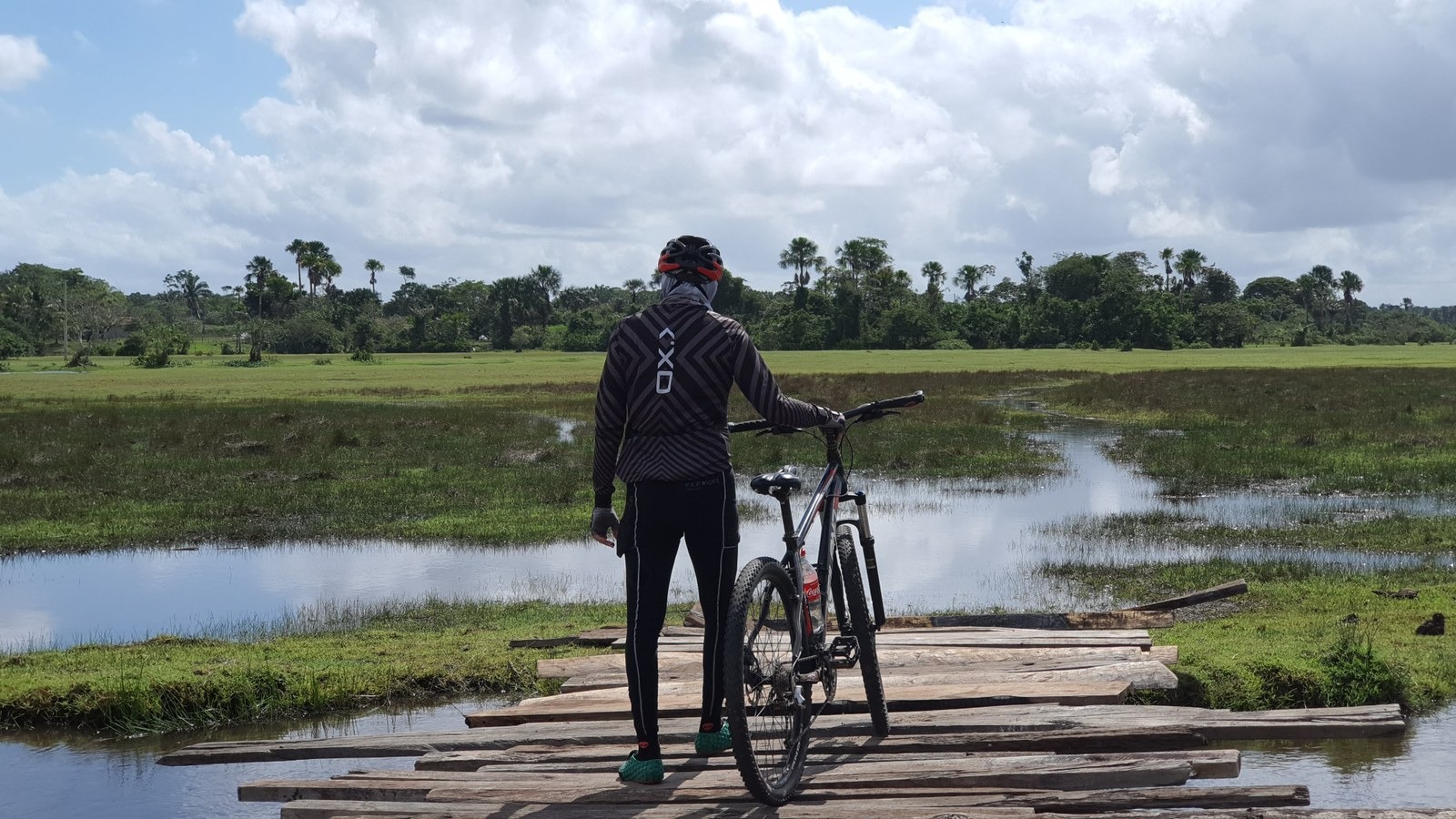
Largest Trail in Latin America, with 460 Km Between Belém and Viseu, to Be Launched at COP30, Uniting Tourism, Income, and Preservation
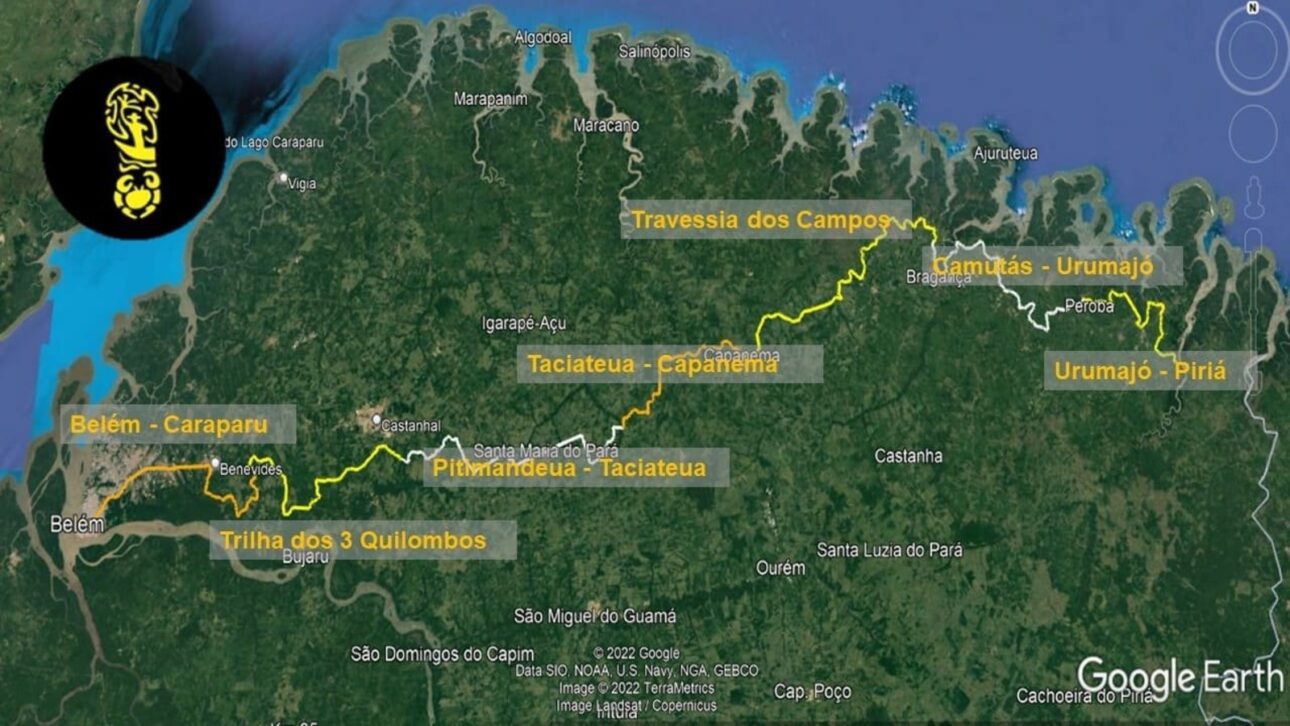
Soon, Pará will host the largest trail in Latin America, nearly 460 kilometers long, connecting Belém to Viseu. The Atlantic Amazon Trail is in the final stages of structuring and signaling and will be officially launched during COP30 as a symbol of the federal government’s efforts to unite environmental preservation, income generation, and sustainable tourism.
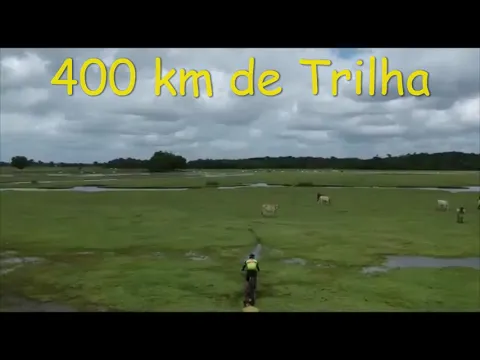

A New Destination for Adventurers and Local Communities
Previously accessible only to small groups of adventurers, the route will now be fully signposted and can be traveled on foot or by bicycle.
The trail has been designed to cause minimal impact on the ecosystem, ensuring the free movement of wildlife and increasing the region’s attractiveness to domestic and foreign visitors.
-
Brazilian promises his children to save a river, creates an eco-barrier in his backyard, has already removed more than 40 tons of trash from the water, and even inspires the idea in other states of the country.

-
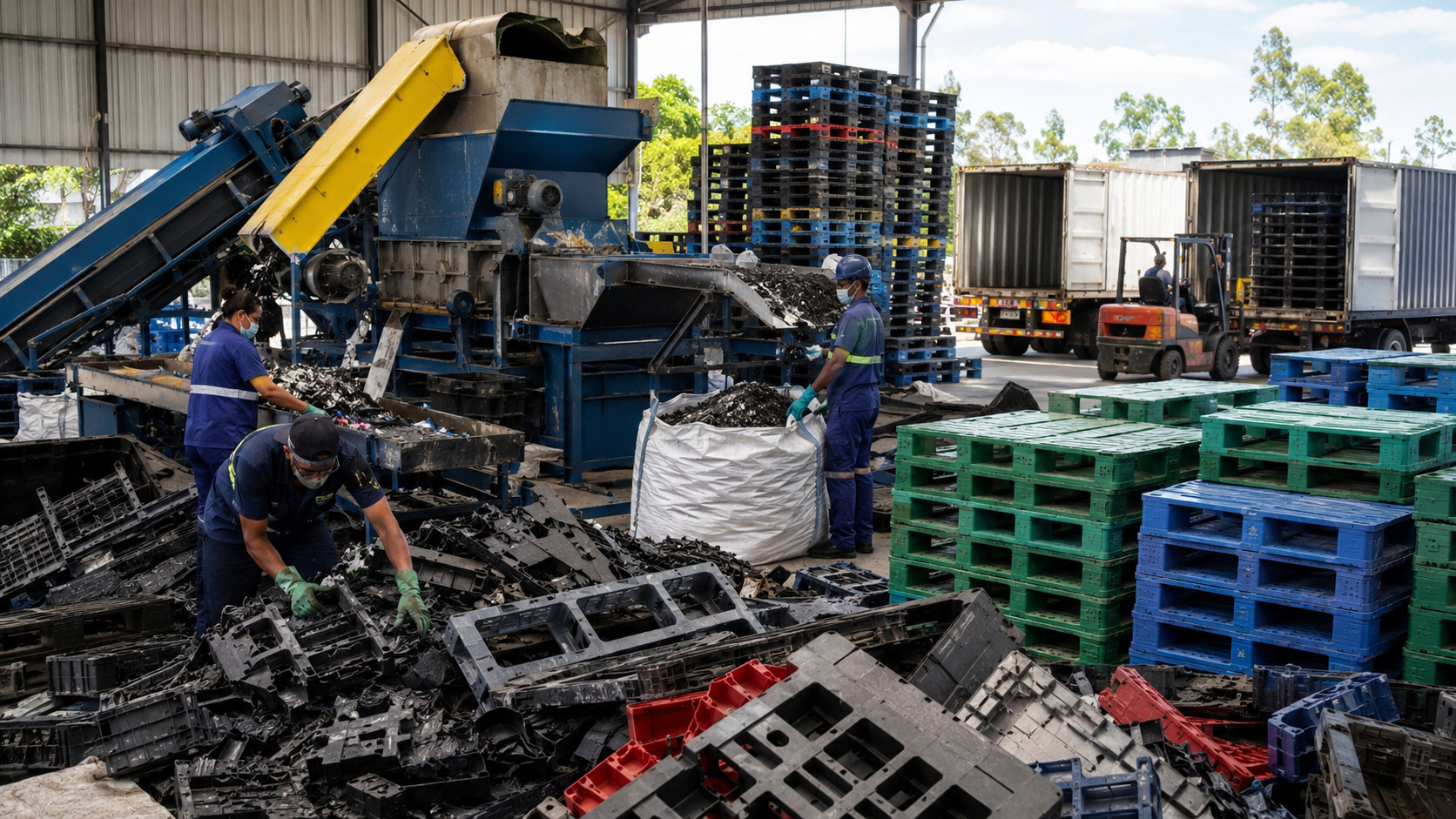
How a Brazilian company created a system that transforms broken pallets of any brand into new assets, recycles 80 tons of plastic per month, and found a profitable solution to a problem that challenges industries across the country.

-
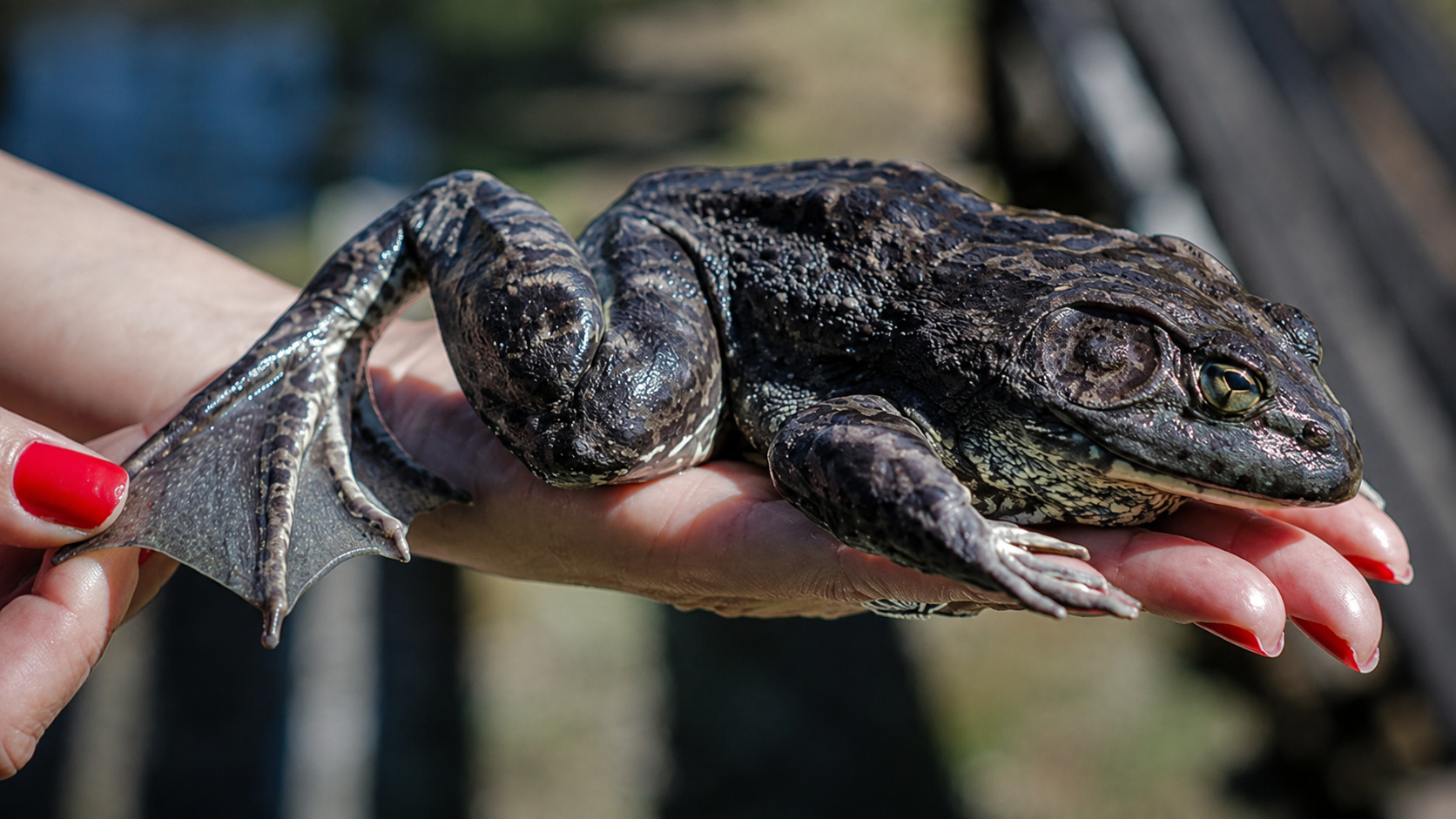
Invasive bullfrog capable of devouring other amphibians and laying up to 20,000 eggs is found in Florianópolis, raising an alert about the threat to native fauna.
-
It looks like a baby, but it’s an adult: meet the Bornean pygmy elephant, the smallest elephant in the world threatened by habitat loss.

The Ministry of the Environment and Climate Change (MMA) estimates that in the first year of operation, 10 thousand people will traverse the route.
The idea is to transform the route into a significant hub for ecotourism and the green economy.
Tourism and Wildlife Protection
According to the director of the Protected Areas Department at MMA, Pedro Cunha e Menezes, the initiative seeks to attract tourists who currently choose neighboring countries, such as Peru, Ecuador, and Colombia, because they already have established trails. The goal is to make Brazil a new reference in this type of tourism.
Menezes explains that connecting protected areas is vital for Amazonian wildlife. “This policy is ensuring we have forested corridors between conservation units, which are used for tourism and recreation but also by wildlife, allowing them to move between the conservation units and enabling their migration,” he stated.
In addition, the Atlantic Amazon Trail is part of the National Network of Long-Distance Trails and Connectivity (RedeTrilhas), a policy aimed at bringing Brazilians closer to nature.
The project also values traditional communities by offering job opportunities related to community tourism.
Pride and Opportunity in Salgado Paraense
For Menezes, the project creates bonds of belonging and strengthens the sense of pride among the populations of Salgado Paraense.
“This trail is community-based tourism at its core. It represents a new income alternative without replacing the traditional activities of these communities,” he stated.
The work aligns with Brazil’s commitments under the Convention on Biological Diversity, which prioritizes nature conservation, sustainable use of natural resources, and fair distribution of benefits arising from them.
Seven Conservation Units and Six Quilombos Along the Trail
The route crosses 13 protected areas, including seven conservation units and six quilombola territories. Among them are the Marine Extractive Reserves of Tracuateua, Caeté-Taperaçu, Araí-Peroba, and Gurupi-Piriá, in addition to the Belém Environmental Protection Area, the Metropolitan Wildlife Refuge of the Amazon, and the Utinga Camilo Vianna State Park.
The included quilombola territories are Torres, América, Pitimandeua, Macapazinho, Santíssima Trindade, and another section in Macapazinho, demonstrating the social and environmental diversity of the route.
Sustainable Planning and Environmental Recovery
The Atlantic Amazon Trail was conceived by the Institute for Forest Development and Biodiversity of the State of Pará (IDEFLOR-Bio), which utilized routes already used by cyclists and residents.
According to Julio Cesar Meyer, the trail’s director and one of the project’s leaders, the communities showed great interest in enhancing local tourism.
He believes that ecotourism is a tool to recover degraded areas and ensure income for those living in the forest. “People realize that preserving is more profitable than destroying. This stimulates both conservation and recovery,” he emphasized.
The route passes through 17 municipalities: Belém, Ananindeua, Marituba, Benevides, Santa Isabel do Pará, Castanhal, Inhangapi, São Francisco do Pará, Igarapé-Açu, Santa Maria do Pará, Nova Timboteua, Peixe-Boi, Capanema, Tracuateua, Bragança, Augusto Corrêa, and Viseu.
Culture, Nature, and Hospitality
In addition to biodiversity, the route offers a rich cultural experience. Hikers will be able to learn about the daily lives of crab collectors, fishermen, babaçu nut breakers, and family farmers.
The scenery includes dense forests, grasslands, mangroves, and landscapes marked by spectacular sunsets.
“It is one of the most beautiful trails in Brazil,” says Menezes. According to him, the combination of ecosystems and traditional human presence makes the route a living laboratory for coexistence between tourism and conservation.
Technology at the Service of Ecotourism
To support travelers, the eTrilhas platform has developed a digital system with detailed information about the route.
The project was selected in the Sustainable Acceleration Call of EmbraturLAB, among eight solutions presented to a panel of evaluators.
Through the app, visitors will be able to consult local service providers — such as lodging, food, and transportation — and contact each of them directly.
Entrepreneurs will have their services promoted through a QR code placed in registered establishments.
Atlantic Amazon Trail: A Collective Effort for the Amazon
The construction of the Atlantic Amazon Trail involves a broad network of partnerships. The project brings together traditional communities, volunteers, the Ministry of the Environment, the Ministry of Tourism, Embratur, ICMBio, IDEFLOR-Bio, and Conservation International.
With this union, the Amazon is preparing to welcome the world during COP30, demonstrating that development and preservation can go hand in hand — step by step, trail by trail.
With information from COP30.







Be the first to react!