






 Portuguese
  Spanish
  3 min of reading
  0 comments


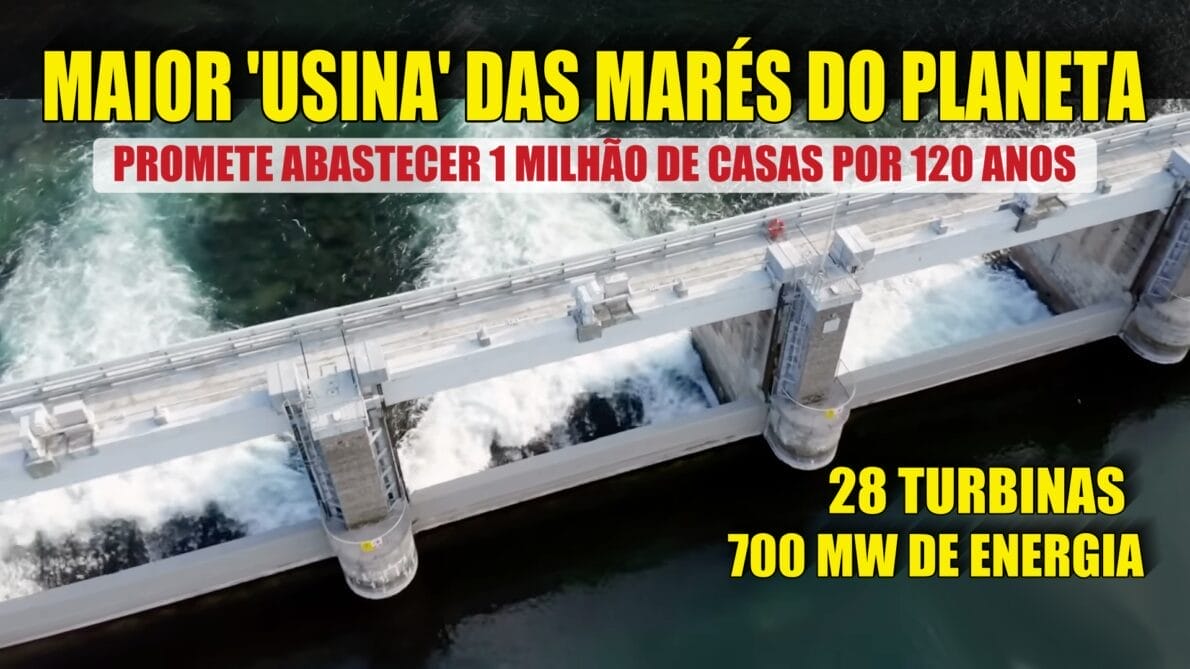
Mega Project, Called Mersey Tidal Power, Is a Dam Equipped with Turbines to Harness Tidal Range and Provide 700 MW of Energy to Over 1 Million Homes for Over 120 Years!
The United Kingdom is advancing the construction of the world’s largest tidal energy facility, located near the mouth of the River Mersey. This project, aimed at generating tidal power, emerges as a crucial vector for renewable energy. This technology, which utilizes the movement of tides to produce electricity, stands out for its clean, carbon emission-free nature.
Despite ongoing efforts, the dam construction project at the mouth of the River Mersey has not significantly progressed for a long time. However, a significant change occurred in 2022, marking a new chapter for development. The mayor of the Liverpool area, Steve Rotheram, signed a collaboration agreement with K-Water, a South Korean state-owned company specializing in water resources. This step revitalized the project, indicating tangible progress after years of stagnation.


Ambitious Plans to Build the Largest Tidal Energy Generator in the World over the River Mersey
In the pursuit of clean energy, Liverpool has unveiled ambitious plans to build the largest tidal energy generator in the world over the River Mersey. The proposal for the construction of the dam known as Mersey Tidal Power transcends the traditional concept of generators, integrating the energy structure into a bridge that will connect Liverpool to the Wirral Peninsula.
-
Brazilian scientists are simultaneously advancing two research projects on clean hydrogen and driving solutions that could transform the energy matrix, enhance industrial competitiveness, and accelerate large-scale emission reduction targets.

-
Advancement in renewable energy: A R$ 150 million project launched by Petrobras and Finep aims to create state-of-the-art electrolyzers for green hydrogen, strengthening national research and preparing Brazil to compete in a billion-dollar energy market.
-
Illiterate or semi-literate grandmothers were trained to repair solar systems, open rural workshops, and light up homes that still depended on kerosene.
-
The world has bet on green hydrogen as the fuel of the future, but now faces the side effect: producing 1 kilogram requires about 9 liters of ultrapure water, and the largest projects on the planet are precisely in the driest regions of the Earth, where water is already scarce for people.





This bridge, however, stands out for its uniqueness: in addition to having the potential to provide clean energy for around one million homes, it will also be a safe passage for pedestrians and cyclists. By restricting access to motorized vehicles, it is expected to significantly reduce air pollution, aligning with global efforts for a cleaner and healthier environment.
Gigantic Structure at the Mouth of the River Mersey Will Incorporate 28 Turbines
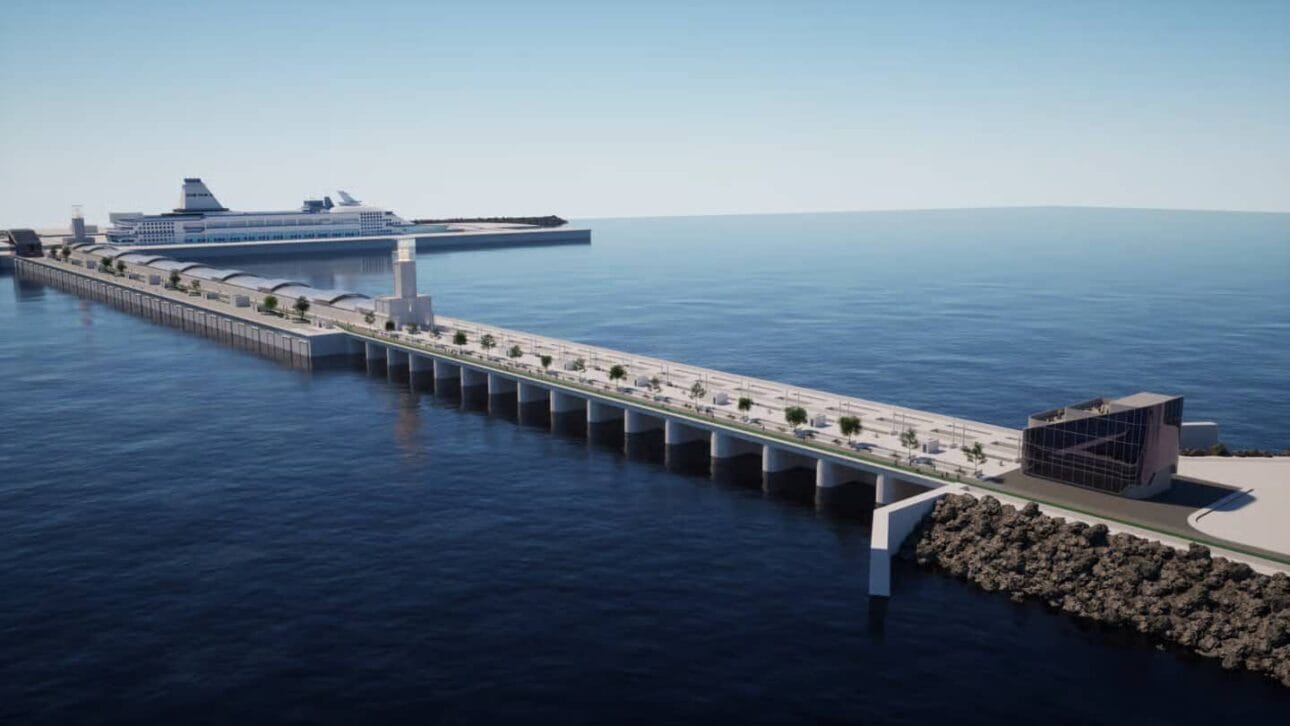
The gigantic structure at the mouth of the River Mersey will incorporate 28 turbines, driven by tidal movements, which in Liverpool can reach variations of up to 10 meters. This system is expected to generate up to 700 MW of energy, positioning itself as the largest undertaking of its kind in the world.
Additionally, the infrastructure will include sluices, designed to facilitate water flow control, essential for mitigating flood risks arising from climate change. To ensure the continuity of the intense river traffic characteristic of the River Mersey, the construction will also be equipped with locks.
The “bridge” project, in addition to being a revolutionary infrastructure in Liverpool, carries with it a number of significant benefits. The ability to generate clean energy stands out as its main advantage, promising a substantial reduction in dependence on fossil fuels.
Tidal Energy Project in Liverpool Advances, but Requires Patience
The ambitious tidal energy generation project in Liverpool has reached phase 3 of development, approaching the start of the formal planning process. However, construction will not begin immediately, as obtaining the necessary environmental and regulatory licenses is a process that will require additional time, possibly extending the start of work by a few years.
The mayor of Liverpool acknowledges the numerous technical and financial challenges that still need to be overcome. However, he remains optimistic about the future of the project, considering it a significant advancement in the adoption of tidal energy. The expectation is that the work will be completed by 2040, and can provide energy from tides for at least 120 years, with an operational lifespan similar to that of hydropower plants.








Be the first to react!