Portuguese
  Spanish


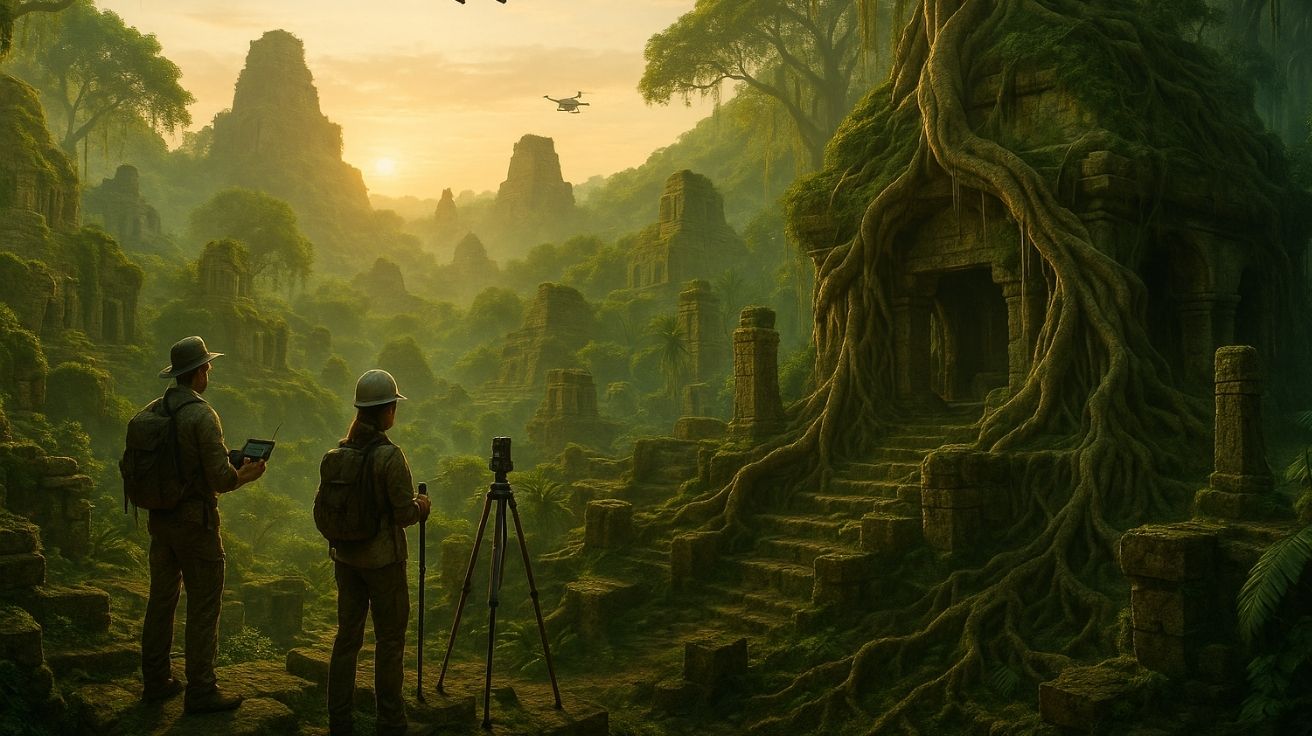


From Machu Picchu to Babylon, Through Sunken Cities, Deserts, and Jungles, Archaeologists Rediscover Long-Lost Civilizations That Change What We Know About Human History.
The search for lost cities has always sparked human imagination. Stories of advanced civilizations buried by time, engulfed by forests, seas, or forgotten in deserts have inspired explorers since the 19th century to contemporary archaeologists with cutting-edge technology, with their fascinating history.
In this article, you will learn about the main archaeological sites classified as lost cities and understand why so many of them disappeared without a trace. With recent discoveries in Peru, Turkey, and even the Amazon, modern archaeology continues to reveal unexpected historical treasures, and many of them are much closer than we imagine.
ARTICLE CONTINUES BELOWSee also
4,000-Year-Old Stone Towers Discovered Across Sardinia, Puzzling Archaeologists About This Mysterious Civilization

Katie Stagliano’s 18 kg Cabbage at Age 9 Fed 275 People, Inspired Katie’s Krops, and Led to 100 Community Gardens in 32 U.S. States to Combat Hunger with Fresh Produce

Black Granite Sarcophagus Found in Alexandria Reveals Three Skeletons, Strange Liquid, and an Ongoing Archaeological Mystery in Egypt
Childhood Psychology: Experts Highlight How Playing Outdoors Until Dusk Boosted Autonomy, Decision-Making, and Resilience in Previous Generations, Influencing Adult Behavior Today



How Lost Cities Are Lost: Causes of Forgetting
Natural disasters are one of the main reasons entire cities have disappeared. The case of Helike, a Greek city submerged after an earthquake in 373 BC, illustrates how nature can erase civilizations overnight. Already Pompeii and Herculaneum, buried by the eruption of Vesuvius in 79 AD, were only rediscovered in the 18th century.
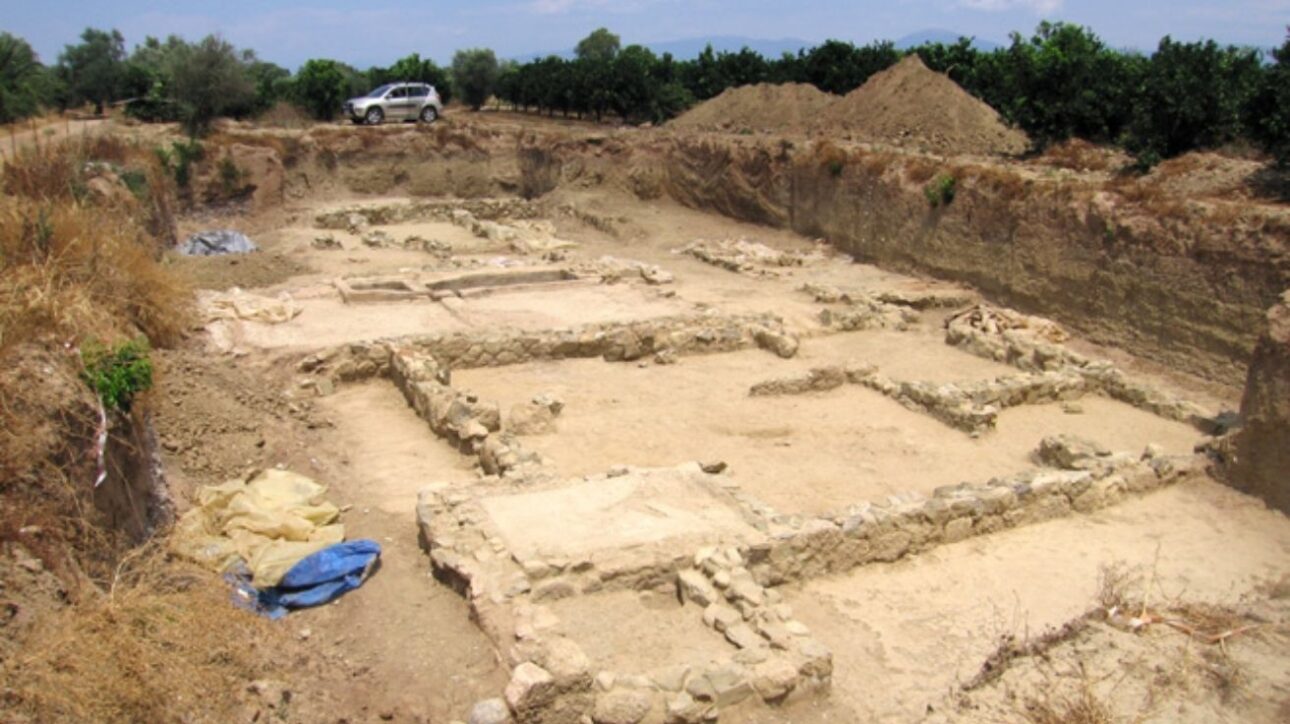
Another common cause is war. Vilcabamba, the capital of the Inca Empire, was destroyed during the Spanish invasion in 1572 and remained forgotten for centuries until it was located through old letters. Similarly, Troy, in present-day Turkey, was destroyed and rebuilt multiple times before being abandoned during the Byzantine period.
Economic decline also explains many abandonments. Trading cities like Mangazeya, in Siberia, or Teotihuacan, in Mexico, collapsed after changes in trade routes or politics. Forgetting was inevitable.
In other cases, geographic isolation resulted in abandonment. Islands like Malden, in the Pacific, hold traces of civilizations without a clear understanding of why they disappeared. The lack of written records complicates historical reconstruction.
Cities like Great Zimbabwe and Tiahuanaco fell victim to the erosion of time and gradual abandonment, often caused by resource depletion. Their remains today are world heritage sites.
Some civilizations deliberately concealed their centers, as the Incas did with Choquequirao and Vitcos, to protect them from the Spanish. This contributed to the myth of the “lost cities of gold.”
In many cases, what remained was engulfed by tropical jungles, like Teyuna (Colombia) and the sites of the Upano Valley (Ecuador), only recently revealed with LIDAR technology.
Finally, religious and cultural factors also influenced abandonment, as seen in ancient Egyptian cities like Akhetaten, destroyed after the fall of pharaoh Akhenaten, considered a heretic.
Rediscoveries of Lost Cities That Changed History
The rediscovery of Machu Picchu by Hiram Bingham in 1911 is perhaps the most famous. However, the Peruvian Agustín Lizárraga had already found the site nine years earlier, leaving his name inscribed in charcoal. This episode shows how many “discoveries” are, in fact, ignored rediscoveries.

Carthage, in North Africa, was destroyed twice, by the Romans and then by the Arabs, before being unearthed as a world heritage site. The city rivaled Rome at the height of its influence.
In Asia, cities such as Loulan and Niya, buried by the Taklamakan Desert, have resurfaced with modern excavations, revealing trade networks of the Silk Road that challenge old notions about pre-modern globalization.
In Europe, submerged sites like Pavlopetri, in Greece, and Rungholt, in Germany, have revealed impressive urban traces dating back 5,000 years. The sea, in this case, was the greatest archivist of history.
In the Middle East, Göbekli Tepe, at 12,000 years old, completely rewrote the chronology of civilization, suggesting that temples came before cities. Meanwhile, Babylon, Ur, and Nineveh reinforce the central role of Mesopotamia in the origin of organized society.
The recent identification of cities in the Amazon with thousands of years of urban planning challenges the myth that South American peoples were exclusively nomadic or primitive. The discovery in the Upano Valley is considered the largest of the century.
In North America, cities such as Cahokia and Etzanoa impress with their populations estimated in the tens of thousands, surpassing many European capitals in the medieval period.
These rediscoveries have an impact not only archaeologically but also politically and culturally, helping to value Indigenous heritages and combat Eurocentric views of global history.
Fiction, Myth, or Reality?
Many cities still remain shrouded in mystery. Atlantis, Aztlán, Paititi, and The City of Z have been sought for centuries, some by real explorers like Percy Fawcett. Although there is no definitive proof, recent expeditions continue to try to find evidence of these mythical civilizations.
Shambhala, Iram of the Columns, and Ys are examples of cities mentioned in religious and folkloric traditions, which, even without material proof, continue to inspire expeditions and comparative studies between myths.
The legend of La Ciudad Blanca, in the jungles of Honduras, gained momentum after aerial radar findings. It is still unclear whether it is a city or a complex of small villages, but the cultural impact is enormous.
Lemuria, Mu, and Kumari Kandam are lost continents that appear in pseudoarchaeological theories. Although not scientifically recognized, these ideas have seriously influenced modern religions and theories of advanced civilization.
In modern fiction, cities like R’lyeh (Lovecraft), Shangri-La, and Valyria (from Game of Thrones) are directly inspired by historical lost cities, reinforcing the universal appeal of this theme.
The line between legend and reality has already been crossed with Troy and Mycenae, which were considered mythical until the 19th century. This raises the question: how many legends of today will still be the truths of tomorrow?
Furthermore, many archaeologists believe that the greatest discoveries of the 21st century are still to come, with the help of technologies like LIDAR, remote sensing, and AI in soil pattern analysis.
With so many cities still buried or concealed by jungles, deserts, or oceans, the concept of a “lost city” remains alive, inspiring explorers, scholars, and dreamers worldwide.