






 Portuguese
  Spanish


On June 1, 2026, China launched the Long March 12B from Jiuquan, in the Gobi Desert, already with satellites from the Qianfan constellation on board and without attempting to land the first stage. The debut was successful in orbit but exposed the country’s urgency for satellite internet.
China has once again stirred the space race, and this time the way it did so drew as much attention as the feat itself. On June 1, 2026, the country debuted the Long March 12B rocket from Jiuquan, in the Gobi Desert, placing real satellites from the Qianfan constellation into orbit on the first flight, according to a report by the site O Antagonista.
The most talked-about point, however, was what the launch did not do. Despite the rocket being designed to recover the first stage, there was no attempt to land. The takeaway is straightforward: for Beijing, the race for launches is becoming more urgent than comfortable.
Why the debut of the Long March 12B was surprising
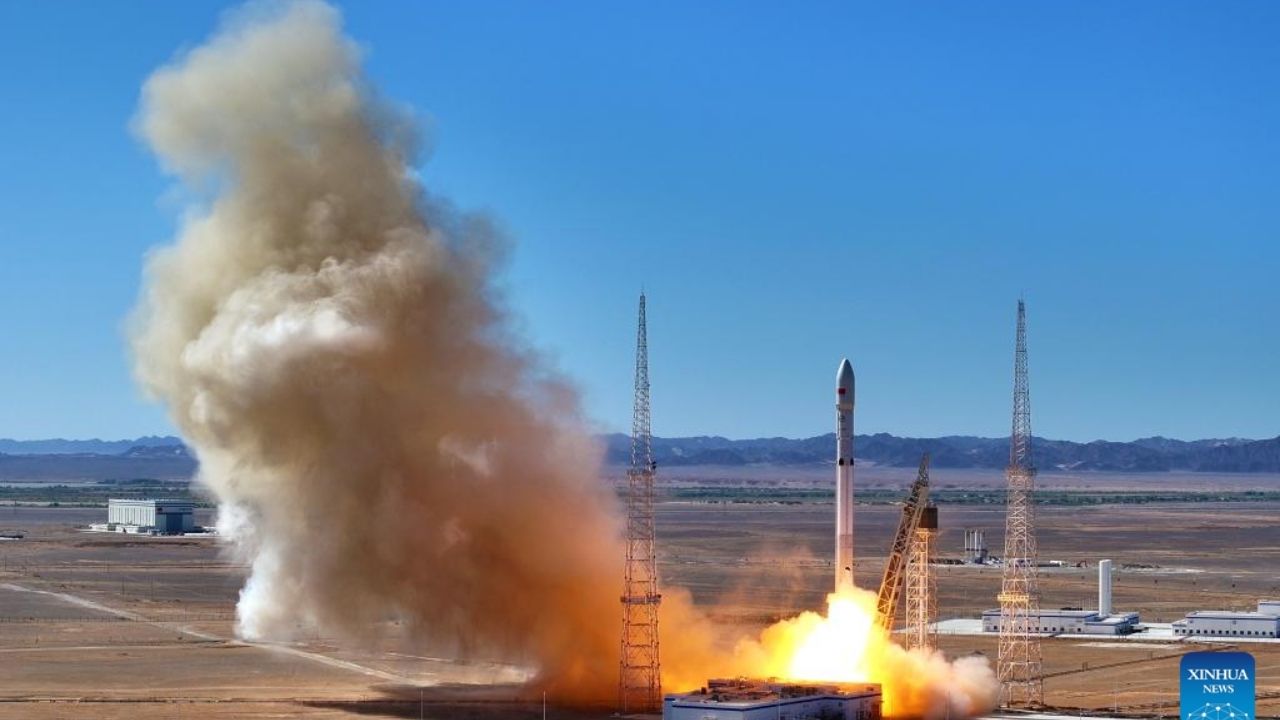
What made the mission unusual was the combination of out-of-the-ordinary factors. It was the first flight of the rocket, there was real operational cargo on board and, according to specialized reports cited by the publication, there was no prior public notice of airspace closure that usually accompanies such launches.
-
Astronomers Discover Two Giant Exoplanets as Light as Cotton Candy, Challenging Current Scientific Models 1,110 Light-Years from Earth

-
NASA’s Plan to Dump ISS Debris in Ocean Sparks Environmental Concerns Among Scientists
-
14-Year-Old Invents Eco-Friendly Water Pump Using Recycled Materials to Aid Communities Without Water Access
-
Pigeons Trained to Detect Cancerous Changes in Medical Images Astonish Scientific Community


This last detail is what raises eyebrows the most. In the debut of new vehicles, many space programs prefer to fly with test loads or low-value satellites, precisely to avoid risking expensive equipment. China took the opposite path, and this choice speaks volumes about the moment the country is experiencing in the orbital race.
The risk of carrying real satellites on an inaugural flight
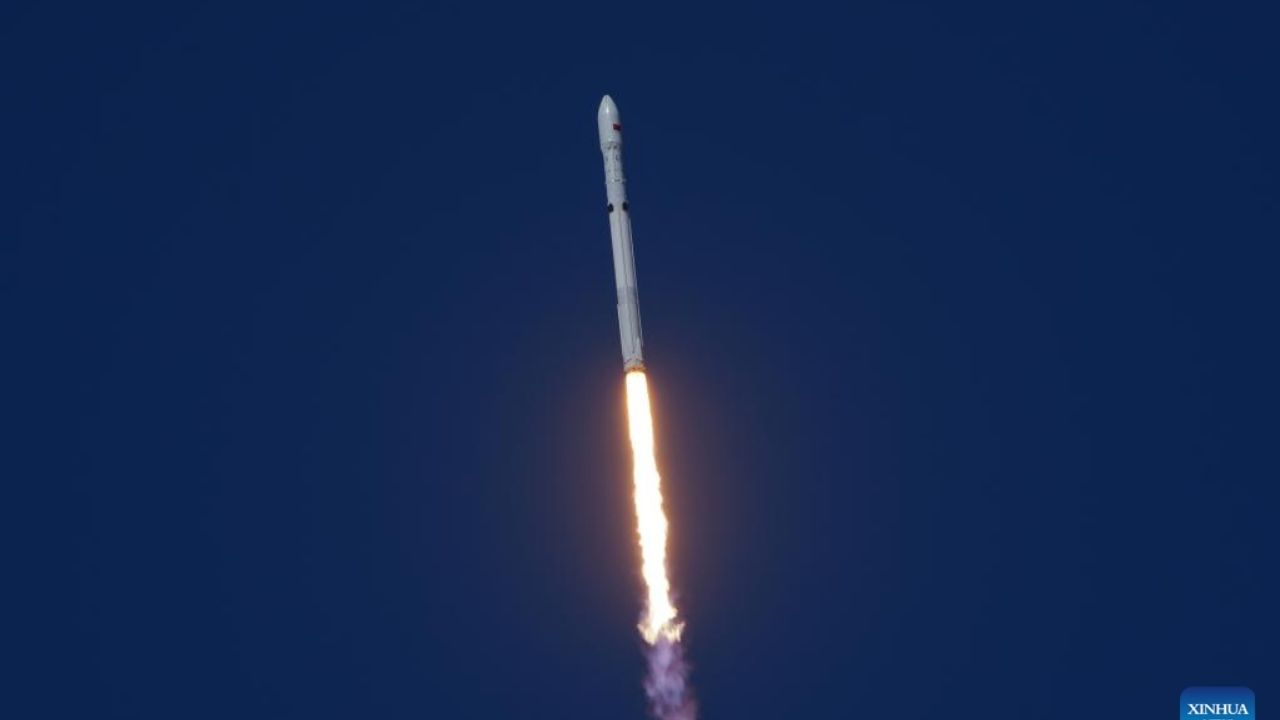
The decision to embark operational satellites on the debut seems bold, and it is. An unproven reusable rocket can fail exactly when carrying equipment that should enter service, turning a test into a concrete loss. China accepted this risk to avoid wasting a launch with simulated cargo.
The logic behind the gamble is one of necessity, not gratuitous boldness. The country needs to place many satellites in orbit in a short time, and each “empty” flight would be a missed opportunity. By making the debut already count for the network deployment, China is trying to gain time in a schedule that keeps tightening.
What the Qianfan constellation reveals about China’s haste
The Qianfan megaconstellation is a strategic piece for China. The project aims for thousands of satellites to offer satellite internet, competing with already established networks that dominate low orbit. Without volume, there’s no way to compete, and volume depends on frequent launches.
That’s why the 12B flight seems less like an isolated gesture and more like a symptom. Each delay widens the gap with competitors, and China is clearly trying to increase the launch cadence, test new rockets, and convert each mission into real progress for its space infrastructure.
Why the booster didn’t attempt to land this time
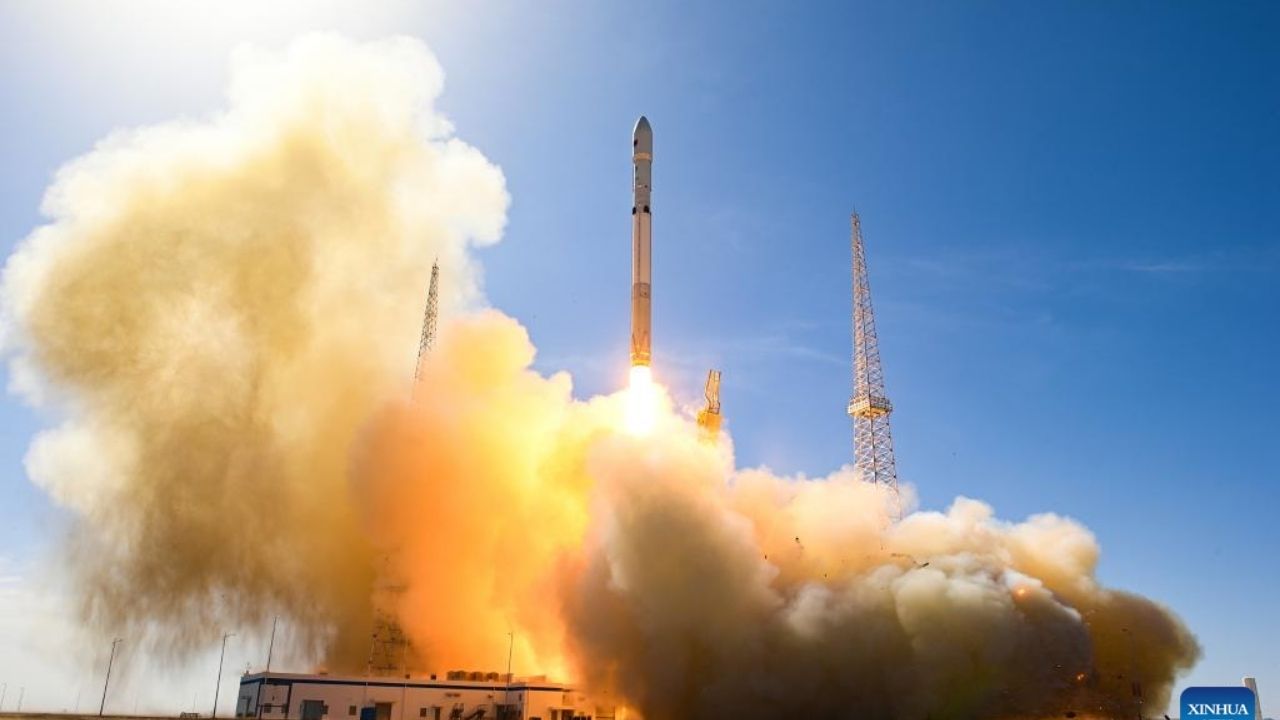
Although the Long March 12B is described as a vehicle prepared to recover the first stage, the debut happened in disposable mode. Flying without attempting the landing reduces the mission’s complexity and increases the chance of orbital success right on the first attempt, a conservative choice within a risky move.
The revealing detail is that reaching orbit is no longer the biggest obstacle for the new generation of Chinese launchers. The decisive point now is the recovery of the booster, a stage that still separates promising tests from an operation truly comparable to SpaceX’s reuse model. Until this is proven, the promise of cutting costs remains more on paper than in practice.
The race against SpaceX and what’s at stake
If the next flights manage to combine operational satellites, first stage landing, and reliable reuse, China could shorten the path to launch more, spend less, and compete for international contracts more strongly. It would be the leap that transforms technical capability into real commercial advantage.
But there is a risk embedded in this rush, and the report itself highlights it. If a future debut loses a larger payload or generates concern due to lack of adequate warnings, the cost will not be just technical. The trust of clients, regulators, and foreign partners can also be at stake, and rebuilding reputation is usually slower than building rockets.
Now we want to know your opinion. Do you think China will be able to match SpaceX in rocket reuse, or could the rush exact a high price later on? Is satellite internet controlled by different powers an advancement or a cause for concern? Comment your point of view below, share this article with those following the space race, and say who you bet will take the lead.


