





 Portuguese
  English
  Spanish
  3 min of reading
  0 comments


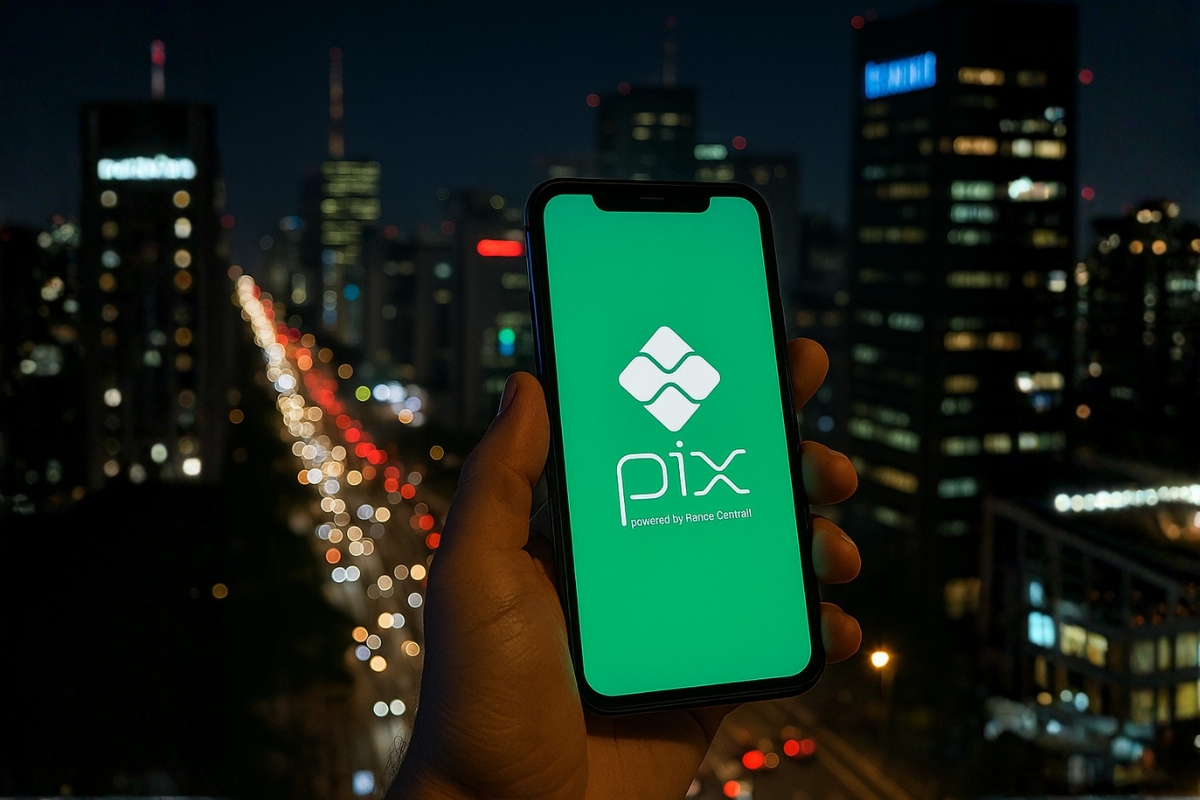
In A Few Years, Pix Transformed The Economy, Reduced The Use Of Physical Money And Put The Country At The Forefront Of Digital Payments
Pix has become not just a banking innovation but part of the daily routine for almost all Brazilians. Created by the Central Bank in 2020, the instant payment system is now used by more than 90% of the adult population, according to official data, and moves trillions of reais every year.
The impact of Pix goes far beyond quick transfers. It is transforming the way money circulates, how businesses operate, and even how the government collects taxes.
What seemed merely an alternative to TED and DOC has become the heart of the Brazilian financial system.
-
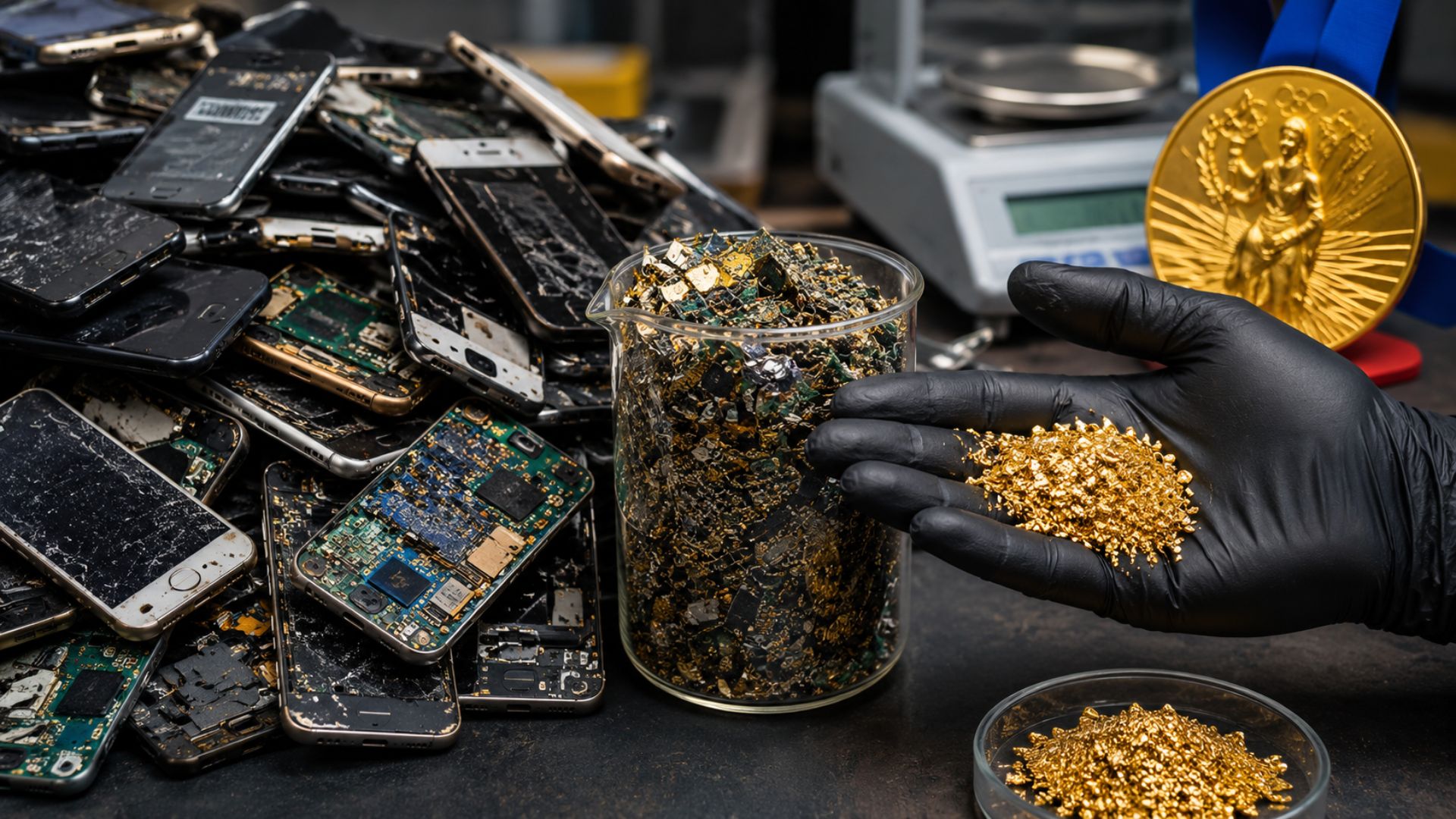
A ton of old cell phones can contain up to 800 times more gold than a ton of ore extracted from a mine, according to the UN, and it is this hidden wealth in drawers that drives so-called urban mining, which can even be turned into Olympic medals.

-
The world opens its eyes to PIX invented in Brazil after the system moved R$ 35.6 trillion, expanded in countries like France, Portugal, Argentina, and Paraguay, and threatened card giants like Visa and Mastercard with high growth and record adoption.
-
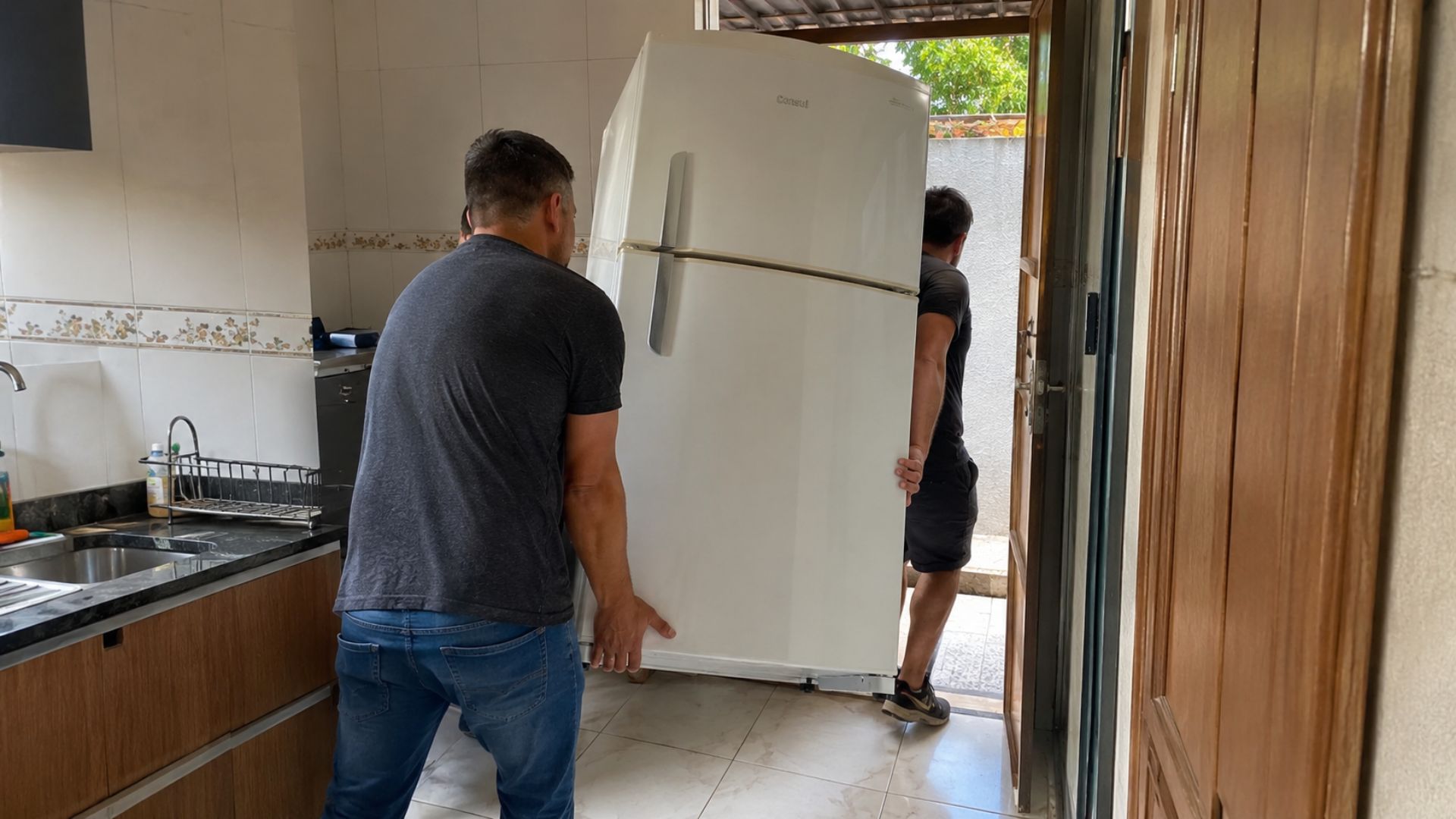
Goodbye, old refrigerator: Consul teams up with Brastemp to remove the appliance from your home and even offers a discount on the new model
-
Stopped cargo is costly: Single Window can reduce R$ 40 billion per year and change the game of exports in Brazil


How Pix Became The Favorite Payment Method For Brazilians
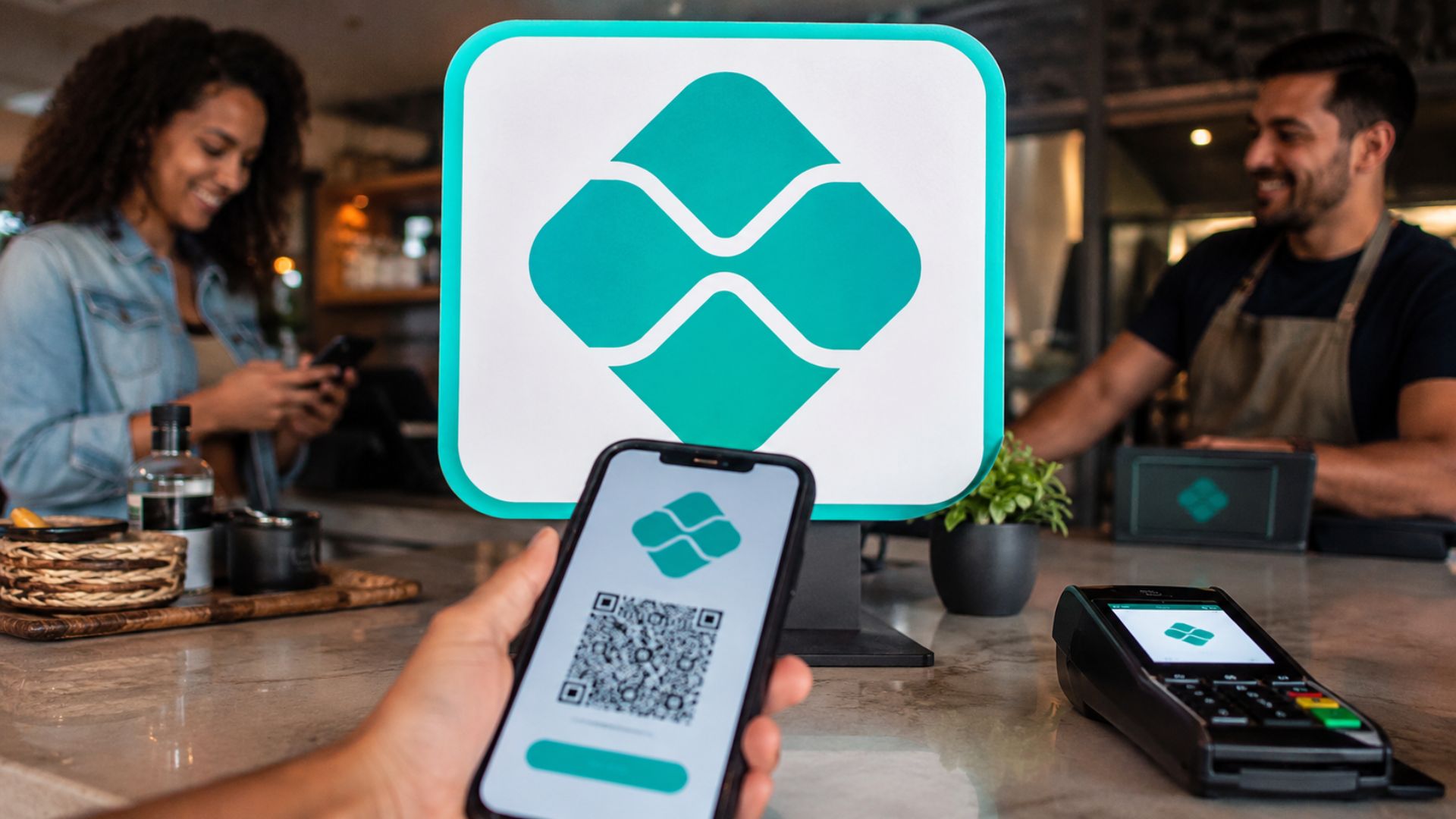
The secret to its success lies in simplicity. To use Pix, one just needs a bank or digital account and to register a key: CPF, email, phone number, or a random code.
In seconds, money is transferred, without fees for individuals and available 24 hours a day, including on weekends.
In less than five years, the system surpassed 63 billion transactions and moved over R$ 26 trillion. Today, practically all stores, service providers, and even small street vendors accept Pix.
This mass adoption has caused cash to lose ground and accelerated the financial digitization of the country.
The Good Side Of The Digital Revolution
Pix has brought unprecedented financial inclusion in Brazil. Millions of people who previously did not have bank accounts can now receive and pay quickly and for free.
The commerce sector has also benefited: small entrepreneurs can sell and receive instantly, without relying on expensive machines or intermediaries.
Companies in complex sectors like energy, infrastructure, and oil have also started to incorporate the system into their processes.
Paying suppliers and service providers via Pix speeds up cash flow and reduces operational costs. Moreover, the digital model helps to increase transparency in public and private contracts.
But Not Everything Is Rosy
With the popularity of Pix, new problems have emerged. Scams, frauds, and instant kidnappings have increased in recent years, prompting the Central Bank to create limits on amounts and nighttime transactions.
Despite improvements in security, the number of attempted frauds remains high, requiring vigilance from users and businesses.
Another critical point is data privacy. Since transactions are instant and traceable, any security breach could expose personal and financial information of millions of Brazilians.
The system is considered robust, but experts warn that its total dependence on the internet and digital infrastructure could create vulnerabilities.
The Future Pix: More Technology And New Rules
The Central Bank is already preparing new features. One of them is Automatic Pix, which will allow recurring payments — ideal for utility bills, internet services, and subscriptions.
Integration with Drex, the Brazilian digital currency, is also planned, which should consolidate the country as a global reference in electronic payments.
Additionally, studies are underway to enable international payments via Pix, connecting the Brazilian system to networks of other Latin American countries.
If this happens, Brazil will take a giant step towards an integrated digital economy independent of traditional banking and card models.






Be the first to react!