






 Portuguese
  Spanish


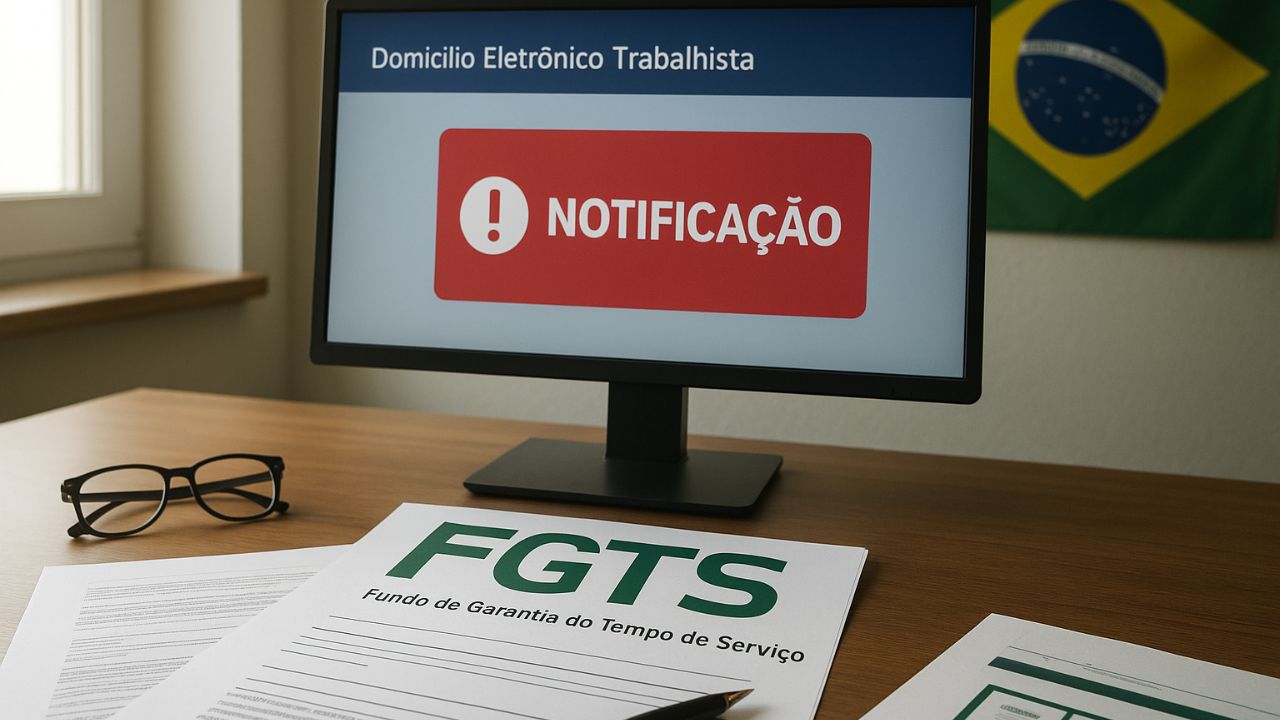

The Ministry of Labor Will Notify More Than 80 Thousand Employers About the DET to Regularize the FGTS of Domestic Workers.
Starting this Wednesday (09/17/25), the Ministry of Labor begins a broad inspection action to demand the regularization of the FGTS of domestic workers across the country. More than 80 thousand employers will be notified through the Electronic Labor Domicile (DET), the official communication system of the ministry.
The measure aims to recover R$ 375 million in debts related to approximately 154 thousand domestic workers and has a deadline of October 31 for voluntary regularization.
Ministry of Labor Targets Billion-Dollar Debts in the Domestic Sector
According to a report obtained by the press, the accumulated debts exceed R$ 375.1 million, an amount related to contributions not paid to the Guarantee Fund for Time of Service (FGTS).
-
China Tightens Control on Antimony, Driving Prices from $22,000 to Nearly $40,000 per Ton as U.S. Rushes to Bolster Strategic Reserves

-
BlackRock Freezes $1 Billion in Brazilian Renewable Energy, Impacting 1.5 GW of Planned Projects and Highlighting Investor Concerns Over Infrastructure Bottlenecks Cutting Up to 25% of Solar and Wind Generation
-
Labor Shortage: Despite Record Average Salary, 90% of Brazilian Bar and Restaurant Owners Struggle to Hire Key Roles Like Sushi Chefs and Head Cooks

-
Supermarket Deli Counter Attendants in Brazil Could Earn Over $2,100 Monthly by 2026, Plus Benefits Package


The survey shows that São Paulo leads the indices, concentrating 26.5 thousand employers, 53 thousand workers, and almost R$ 136 million in pending amounts.
Other states, such as Rio de Janeiro, Minas Gerais, and Bahia, also report significant amounts.
In regions like Acre, Roraima, and Amapá, debts total less than R$ 1 million, revealing regional differences in compliance with labor obligations.
How Notifications via DET Work
Notifications will be sent exclusively through the DET, which has been mandatory for MEIs and domestic employers since August 2024.
According to the Ministry of Labor, the measure is advisory at this first moment, allowing employers to voluntarily regularize the FGTS until the end of October.
After the deadline, cases that remain open may be referred for formal inspection, with an official assessment of the debts and possible fines.
Why Monitoring the DET is Essential
The Electronic Labor Domicile (DET) functions as a digital mailbox. All CPFs and CNPJs are automatically registered, but the government advises users to update their contact information to avoid issues.
Although there is no fine for failing to update, the risk is high: if the employer does not access the platform, they may miss important deadlines and even face penalties.
Messages sent by the DET have legal validity and are considered read automatically after 15 days, even if the user does not open the system.
Regularizing the FGTS: What Happens If You Don’t Comply
The National Coordination of Domestic and Care Work Inspection (CONADOM) emphasizes that this phase of the action aims to raise awareness among employers.
However, those who do not regularize the FGTS within the deadline may face administrative proceedings, notifications, and other legal penalties.
In addition to the financial impact, failing to collect the fund directly harms domestic workers, who lose access to benefits such as withdrawal in the event of dismissal, retirement, and housing programs.
Importance of Regularization for Employers and Workers
The government emphasizes that the initiative is not only punitive but also educational. The goal is to strengthen the domestic work sector, which still faces high rates of informality in Brazil.
For employers, keeping the FGTS up to date avoids fines, labor lawsuits, and future restrictions. For domestic workers, it means securing fundamental rights and greater financial security.


