Portuguese
  Spanish


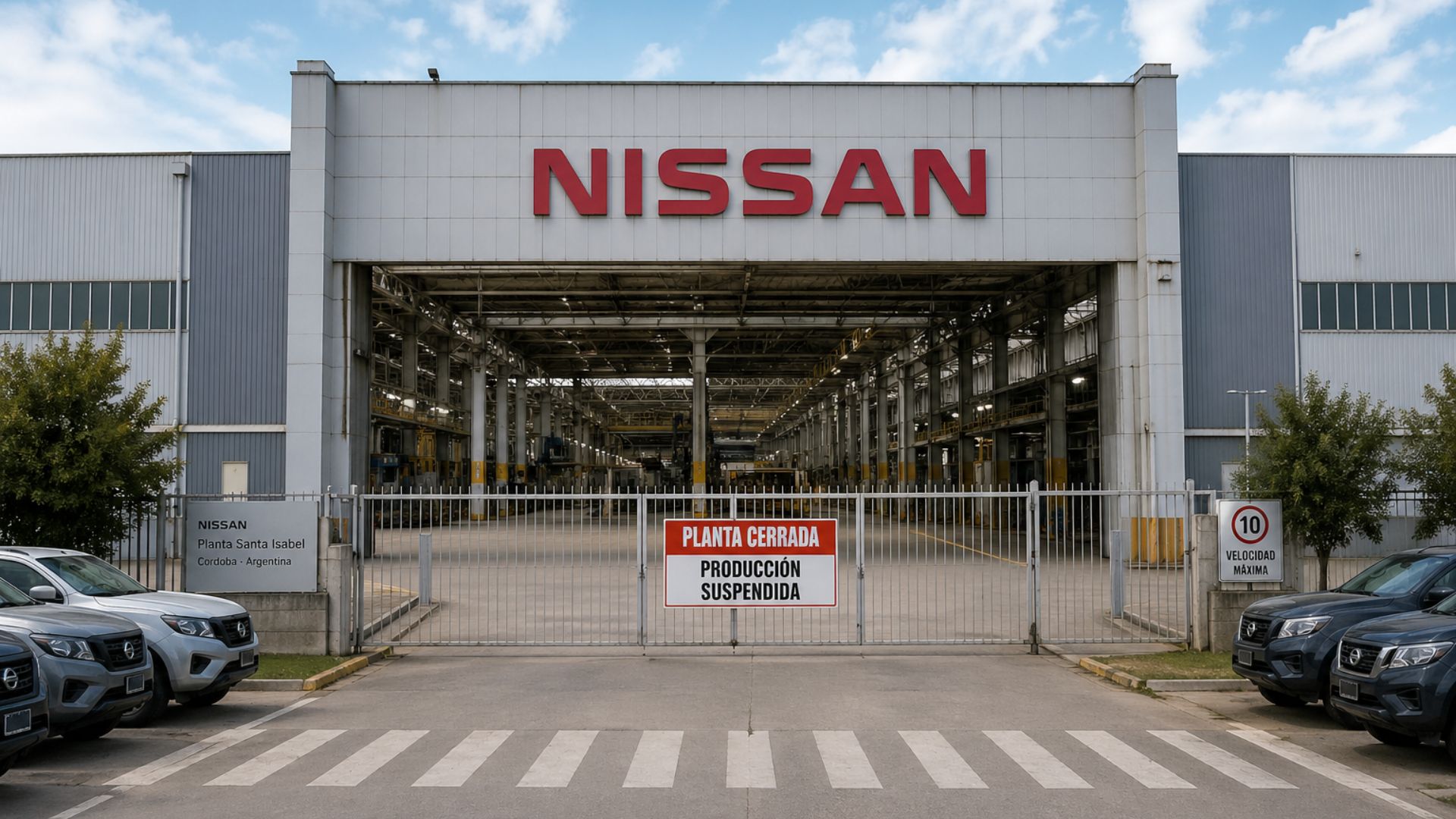

Strategic move ends local production, repositions commercial operation, and integrates country into a regional model based on import and distribution, aligned with the Japanese automaker’s global efficiency plan in Latin America.
Nissan confirmed it is negotiating the transfer of its commercial operation in Argentina to Grupo SIMPA and Grupo Tagle, in another step of the regional reorganization initiated after the end of Frontier production in Córdoba.
The Japanese automaker reported that it signed a memorandum of understanding with the two business groups to analyze the possible shift to a local distributor model, without direct operational presence of the Argentine subsidiary in the country.
The agreement is not yet definitive.
-
Abandoned Building in Brazil to Become Biotechnology Unit with $10 Million Investment, Bridging Science, Industry, and Public Health

-
Company Offering “Stones to Diamonds” Scheme Sells Ruined Italian Homes to Brazilians for 1 Euro, Disappears with Promised Renovations, Leaving Buyers in Debt to Italian Tax Authorities Until 2028 Without Property

-
Plastic Packaging Drives Santa Catarina Industry to 230% Growth, Aiming for R$ 500 Million by 2030 Amid Sector Crisis, with New Gearless Line Expanding in Southern Brazil to Compete in South America

-
Flamengo Star Invests in Brazilian Coastal Luxury Real Estate as Itapema Surpasses Balneário Camboriú in High-End Market Growth


According to the company, the negotiation is in the detailed analysis phase of commercial, legal, and operational aspects before any final decision on the future structure of the brand in the Argentine market.
Nissan bets on a distribution model in Argentina
Under the format under discussion, Argentina would become part of an import and distribution-based operation, similar to that adopted by Nissan in other Latin American markets as part of its regional simplification strategy.
The company stated that its commercial activities will continue normally during the process, including vehicle sales, planned launches, customer service, after-sales services, and the operation of the dealership network throughout Argentine territory.
“Nissan’s commercial operations in Argentina will continue to develop normally, maintaining the commercialization of its product portfolio, the launch of new models, and the provision of customer service and after-sales services.”
The brand also highlighted that the signing of the memorandum does not represent a completed sale, but a formal evaluation step to define whether SIMPA and Tagle will assume Nissan’s commercial representation in the country.
Frontier Production Ends in Córdoba
The change comes after the end of local production of the Nissan Frontier at the Santa Isabel plant, in Córdoba, where the pickup began to be manufactured in 2018 on a shared line with Renault.
The end of production was announced in March 2025, but the last Frontier unit rolled off the assembly line on October 9, 2025, ending seven years of local pickup manufacturing in the neighboring country.
With this decision, Nissan ceased to operate as a manufacturer in Argentina and began to operate only with imported vehicles, in a move that reduced its industrial structure before the current commercial negotiation.
The Frontier sold in the Argentine market began to be imported, while the Santa Isabel plant remained linked to Renault’s operations, which maintained industrial activities in the complex located in the province of Córdoba.
Global restructuring guides change
Nissan linked the change to the global Re:Nissan plan, a restructuring program aimed at competitiveness, portfolio review, and the pursuit of greater efficiency in markets considered strategic or operated by distributors.
“Through its Re:Nissan restructuring plan, the company continues to advance in strengthening its competitiveness, optimizing its product portfolio, and incorporating next-generation technologies.”
The company also said that the objective is to establish foundations for sustainable growth in the future, without detailing deadlines to conclude the analysis with the interested groups or informing about possible administrative impacts in Argentina.
In Latin America, the reorganization already included Chile and Peru, where Nissan closed an agreement with Astara to take over the official distribution of the brand in both markets, an operation announced in January 2026.
With these changes, Chile and Peru began to follow the importer model, within a regional structure focused on markets without direct automaker operation and with commercial management carried out by local partners.
Nissan stated that this business unit brings together 36 importer markets in Latin America, while the company maintains the strategy of concentrating resources, adjusting structures, and preserving commercial presence through distribution networks.
SIMPA and Tagle Groups enter negotiations
Grupo SIMPA operates in the automotive sector and represents different brands in Argentina, while Grupo Tagle has a presence linked to vehicle commercialization and dealership operations in the local market.
If the transition progresses, the two groups may jointly take over Nissan’s distribution, maintaining the sale of imported models and customer assistance through the existing network in the country.
Until the conclusion of the process, the automaker states that there will be no interruption in service to Argentine consumers, nor any immediate change in the operation of dealerships responsible for sales, inspections, parts, and services.
The decision deepens a change initiated with the end of Frontier production and reinforces Nissan’s exit from its own industrial structure in Argentina, preserving the brand in the country through import and distribution.