






 Portuguese
  Spanish
  5 min of reading
  0 comments


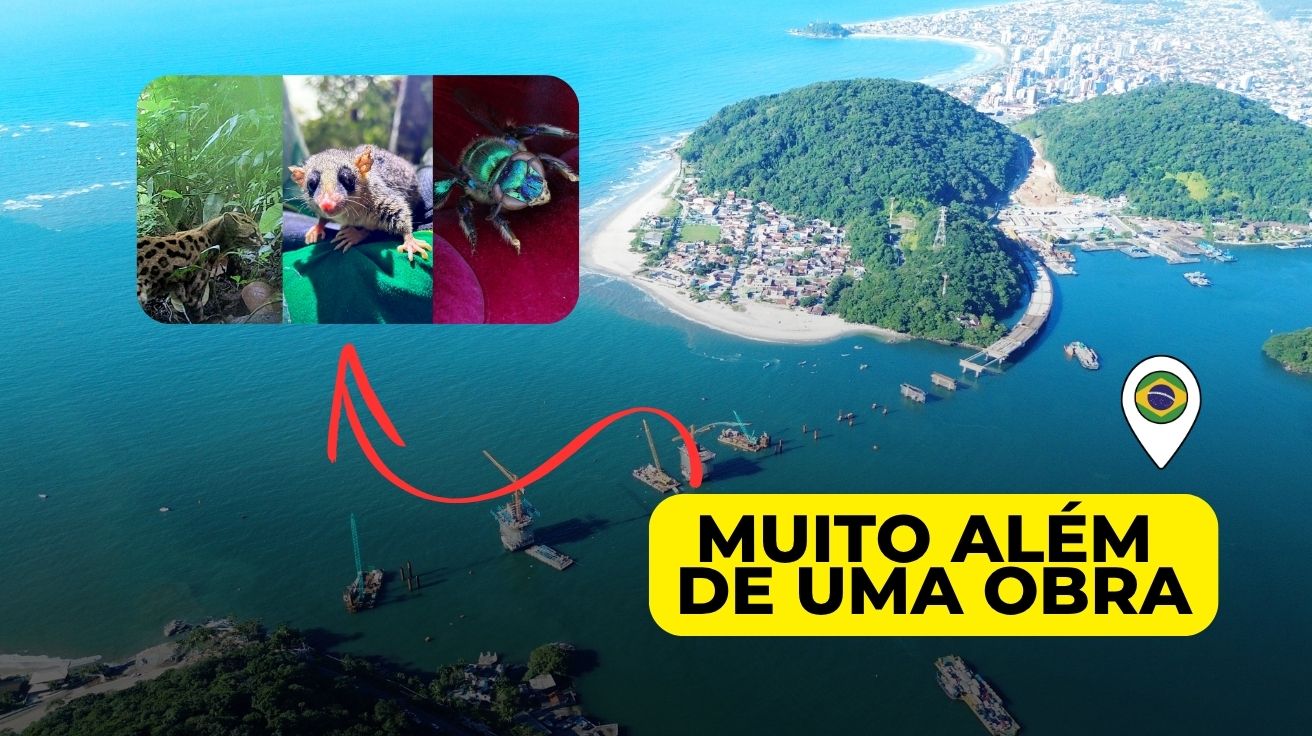
Guaratuba Bridge Links Development and Sustainability, with Monitoring of Over 18 Thousand Animals and Unprecedented Records of Rare and Threatened Species on the Paraná Coast.
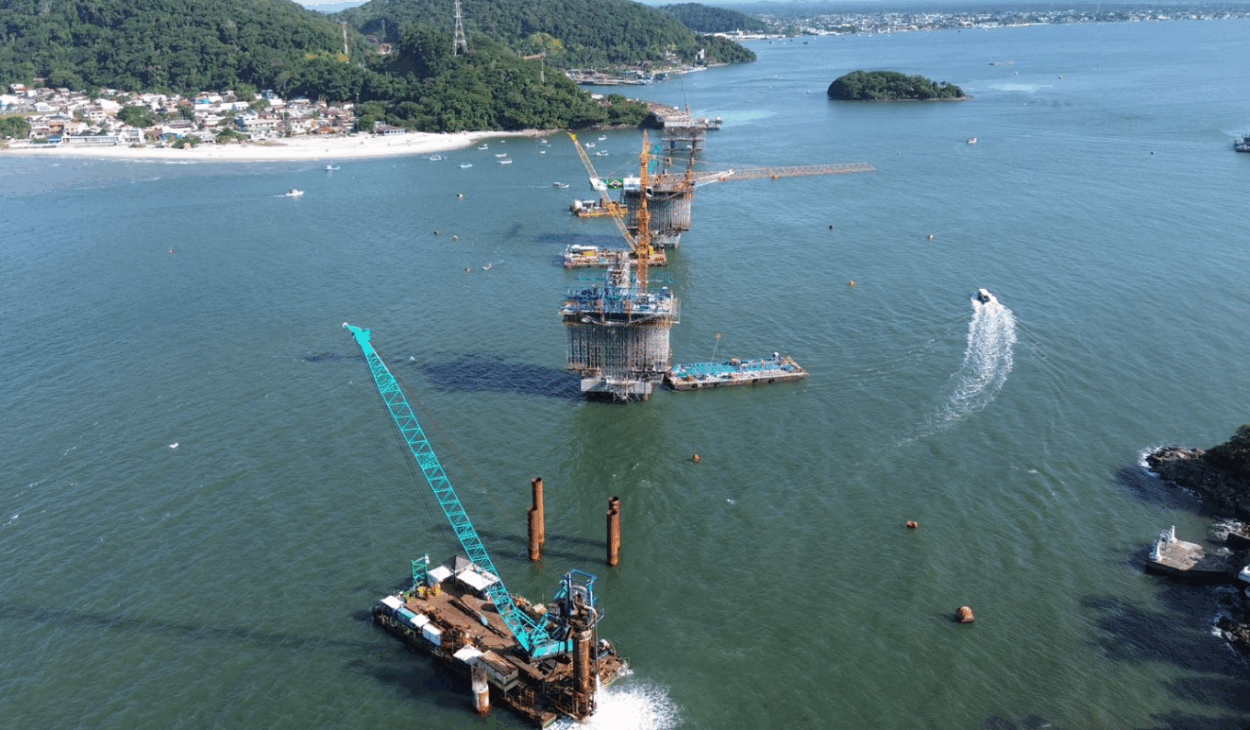
The construction of the Guaratuba Bridge, one of the main infrastructure projects on the Paraná coast, is already bringing changes not only to mobility and regional development but also to the environmental landscape of the region.
With an estimated investment of nearly R$ 400 million, the project stands out for its robust wildlife monitoring program, which has recorded over 18 thousand animals since the project’s inception, including rare and endangered species.
The Wildlife Program, developed specifically for the project, compiles detailed data on birds, mammals, reptiles, amphibians, fish, benthic macrofauna — organisms that inhabit the bottoms of aquatic environments — and crustaceans.
-
He started with a jigsaw, his father’s screwdriver, and many drawings made during classes; years later, the young man who built a roller coaster in his own backyard went viral on the internet, was hired by Cacau Park, and now coordinates Brazilian and foreign professionals in the installation of an attraction weighing 737 tons, 55 meters high, one kilometer long, featuring moments of zero gravity and a speed of 120 km/h, in a journey that turned curiosity, calculations, and persistence into a professional career.

-
Between Egypt and Sudan, Bir Tawil is no man’s land that neither country wants on paper, but in practice has gold mining, nomadic tribes, and even fake “kings.”

-
Swimming champion Shavarsh Karapetyan dove about 40 times into a frozen lake in Armenia to rescue a sunken bus, saved 20 lives, and lost his career because of it.
-
Júlia Pimentel, an 11-year-old from Minas Gerais, independently invented a new formula to calculate the square root using simple addition and multiplication, and her method was published in one of the most important mathematical scientific journals in Brazil.


The central objective is to ensure that the bridge’s implementation strictly meets the environmental requirements outlined in the legislation, minimizing impacts and promoting continuous monitoring of local biodiversity.
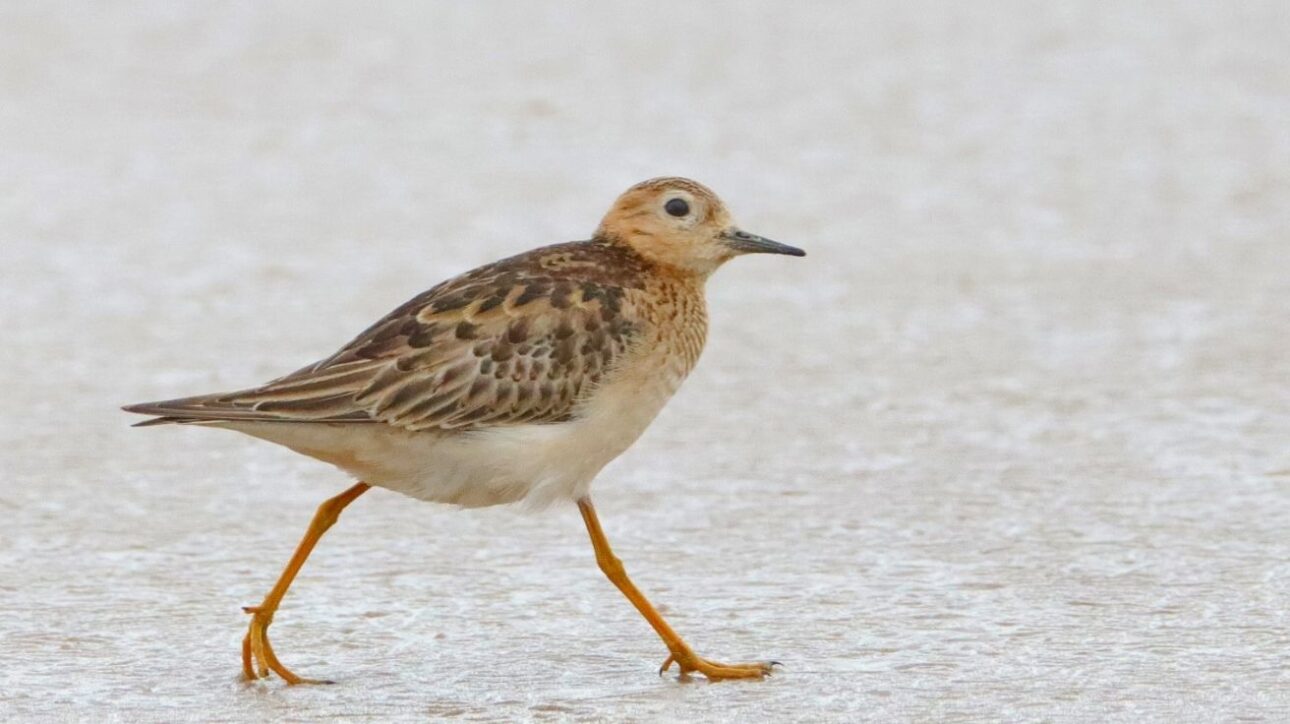
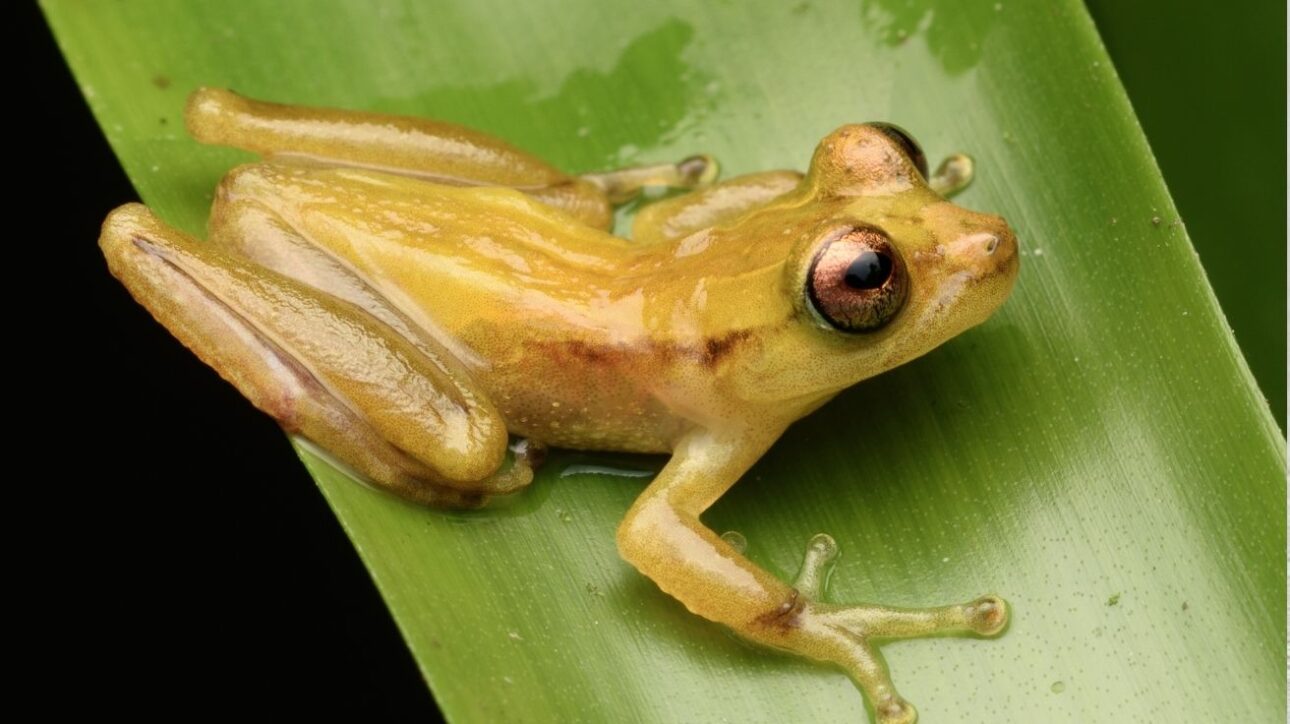
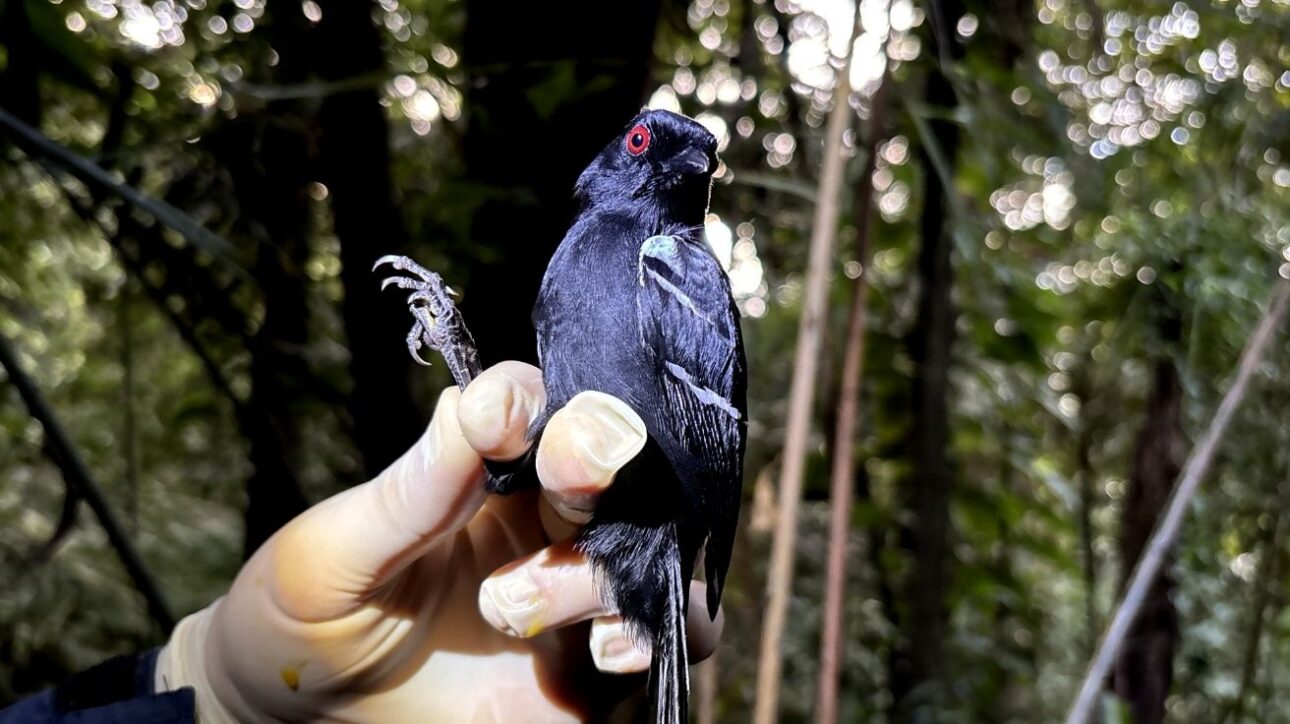
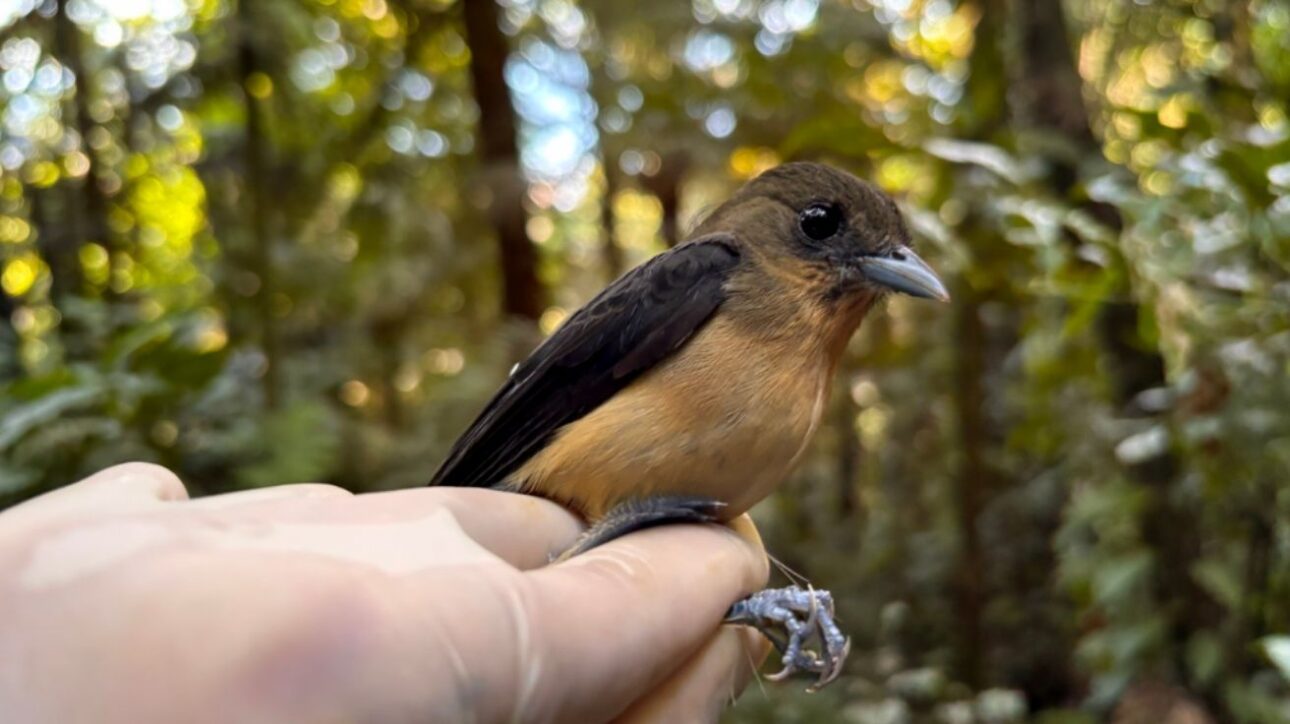
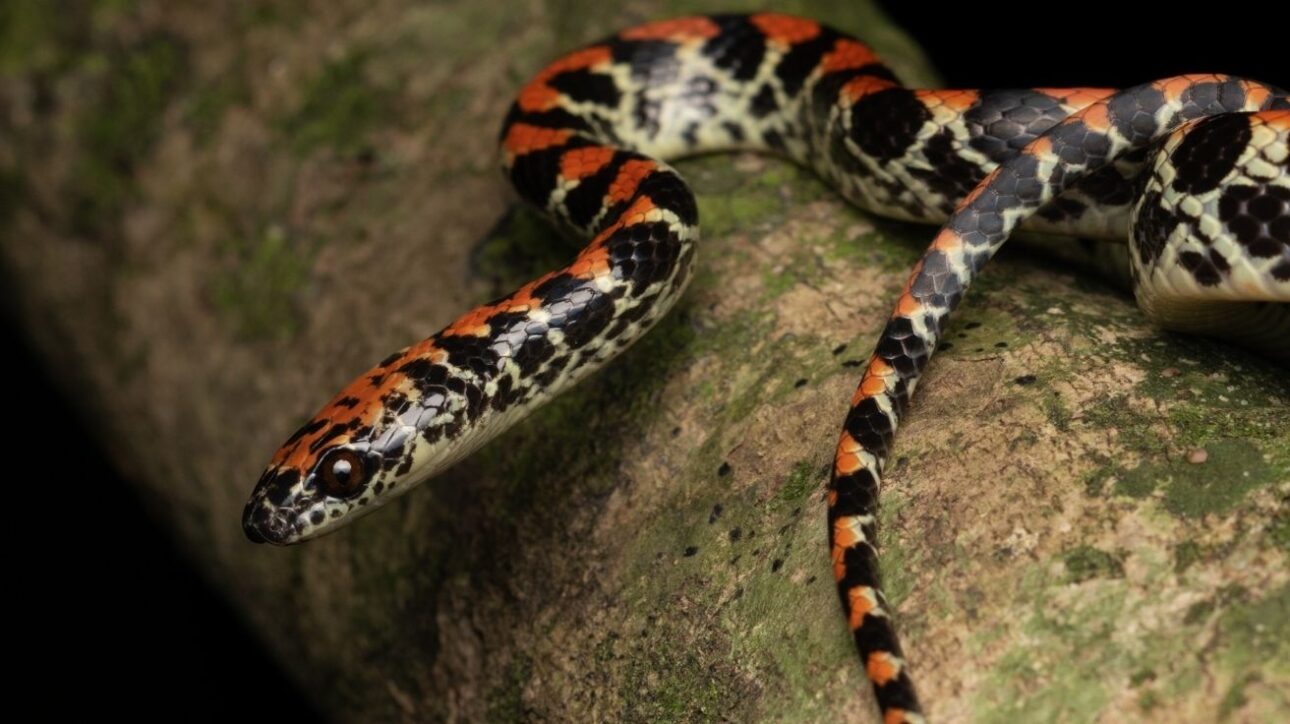
Rare and Threatened Species Under Monitoring
The most recent report from the Wildlife Program, updated in May 2025, indicates that monitoring activities already cover over 18 thousand records of different species.
Among the identified animals, sensitive and rare representatives of Paraná’s fauna are found, such as the frog (Brachycephalus sulfuratus), the false coral snake (Siphlophis pulcher), the tiny hawk (Amadonastur lacernulatus), and the purple-faced parrot (Amazona brasiliensis).
In addition to these species considered uncommon, the program also detected endangered specimens, including the otter (Lontra longicaudis), the margay cat (Leopardus wiedii), the violin stingray (Pseudobatos percellens), the seahorse (Hippocampus cf. erectus), the green sea turtle (Chelonia mydas), the buff-breasted sandpiper (Calidris subruficollis), and the mangrove warbler (Conirostrum bicolor).
The presence of these species indicates not only the biological richness of the region but also the importance of the protective measures adopted in the context of the construction.
Progress of the Works and Environmental Control
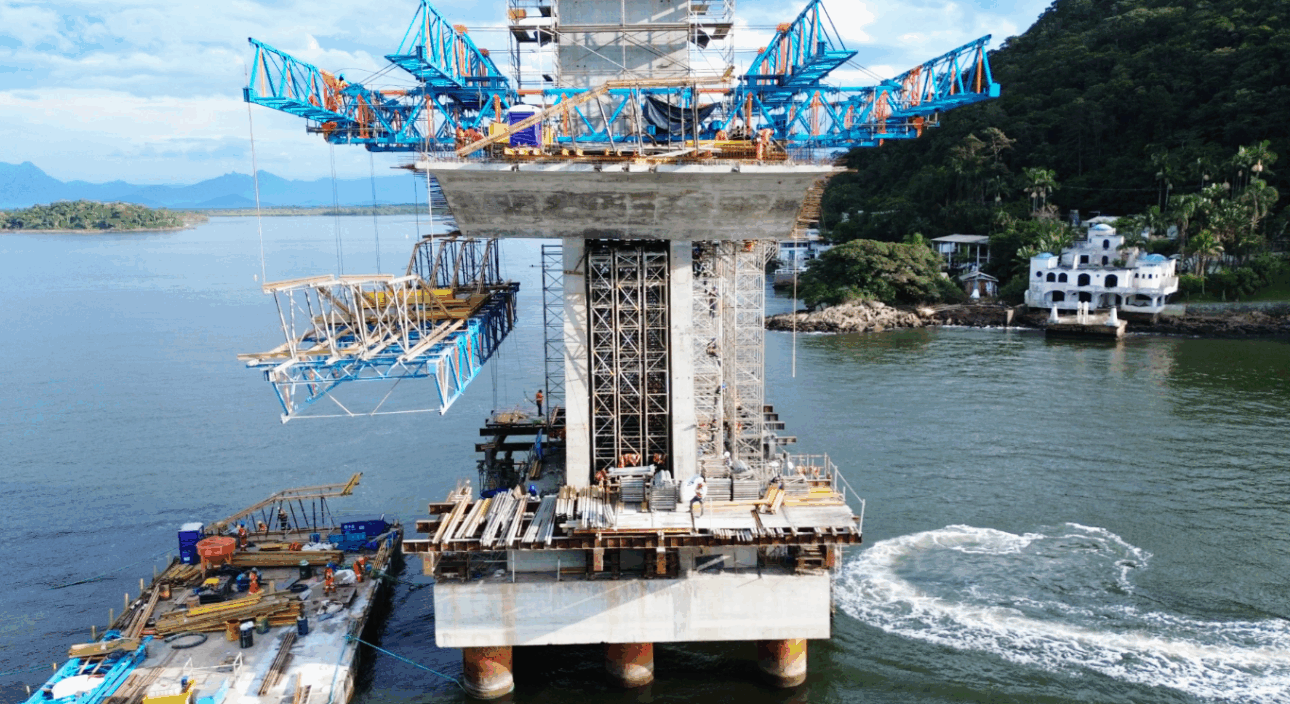
According to the report from the Guaratuba Bridge Supervisory Consortium, the works reached 60% completion by May 2025.
The progress includes both the main structure and the access points, with a focus on the constant monitoring of environmental impacts.
Robson Felipe do Valle, environmental coordinator of the consortium, emphasizes that the recurrence of sensitive species in the vicinity of the construction site demonstrates the effectiveness of the environmental management strategies implemented.
“The presence of the red howler monkey and otter near the work site illustrates the resilience of local fauna and the effectiveness of monitoring actions,” says the specialist.
The environmental monitoring of the Guaratuba Bridge follows strict parameters established by environmental licensing, in accordance with the standards set by agencies such as the Brazilian Institute of Environment and Renewable Natural Resources (Ibama) and the Water and Land Institute (IAT) of Paraná.
Actions also aim to generate updated data on wildlife, valuable information for the conservation of ecosystems and for the foundation of public policies.
Environmental and Social Benefits of Monitoring
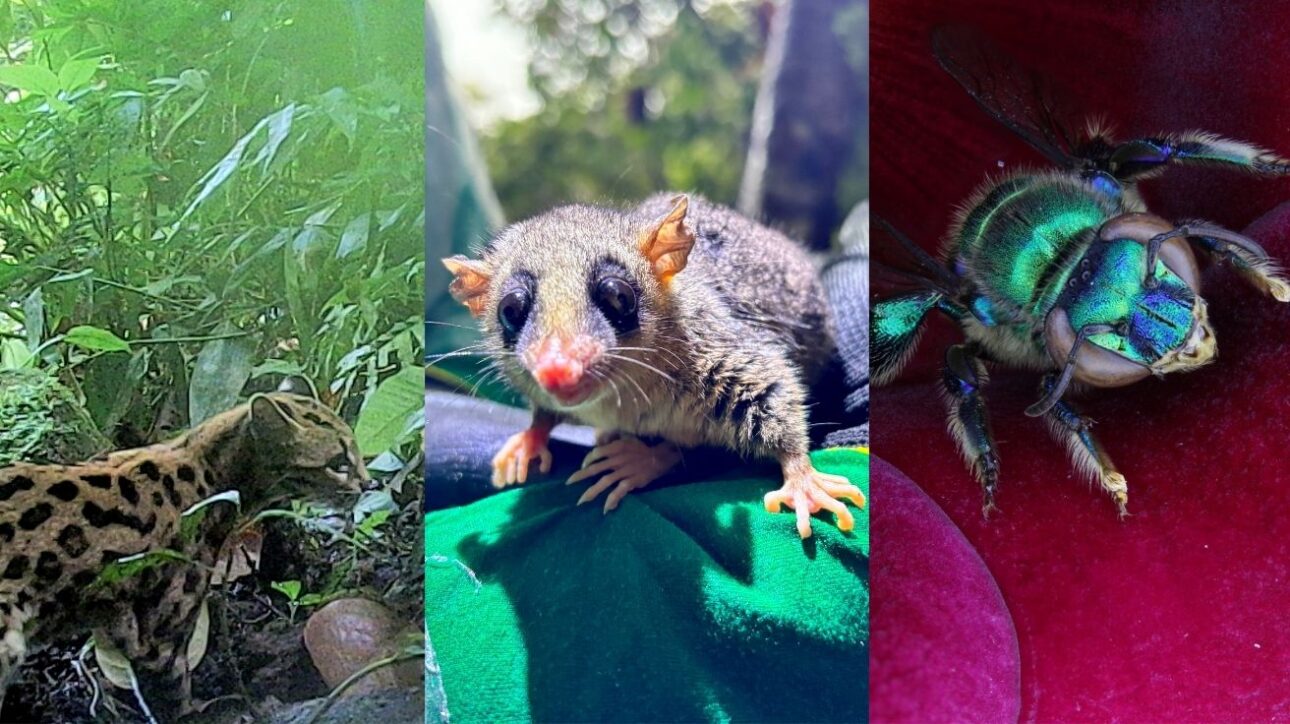
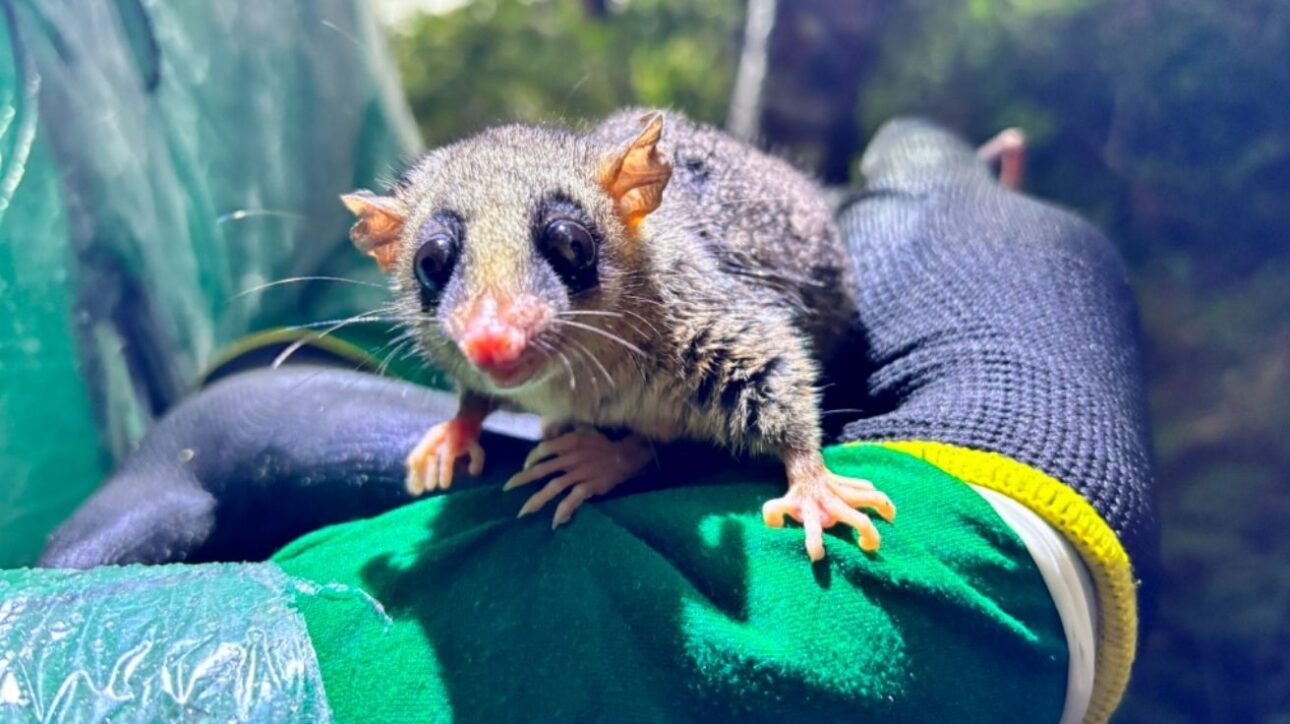
The monitoring program’s actions are not limited to collecting technical data.
According to official reports, the initiative contributes to increasing community awareness of the importance of environmental protection, as well as encouraging the appreciation of natural heritage and promoting sustainable tourism.
Nearby areas, such as the Saint-Hilaire/Lange National Park and Guaratuba Bay, are highlighted as areas of significant interest for researchers, tourists, and residents.
Species like the violin stingray, with its unique shape and fundamental role in the balance of marine environments, exemplify the positive impact of monitoring.
This fish acts on sediment stirring and nutrient circulation, directly benefiting the biodiversity of estuaries and bays.
Other animals, such as the short-tailed hawk (Spizaetus tyrannus) and orchid bees, also illustrate the importance of conservation actions — they are essential for pollination and maintaining local ecological balance.
The marsupial frog (Fritziana mitus), which carries its eggs in a pouch on its back, and bats, recognized for their echolocation and role in seed dispersal and pollination, further reinforce the diversity of survival strategies observed among the species of the Paraná coast.
Legacy of the Guaratuba Bridge for Science and Conservation
For Aline Prado, biologist from the Guaratuba Bridge Supervisory Consortium, the main legacy left by the bridge is the establishment of an innovative wildlife monitoring system committed to conservation.
According to her, “Guaratuba Bay has high biodiversity and significant conservation. With each new campaign, new unprecedented records emerge, expanding scientific knowledge about local species.”
The easier access to the region, after the bridge’s completion, promises to broaden opportunities for new environmental studies and wildlife observation, as well as stimulate nature-based tourism.
Continuous monitoring of species and collaboration with research institutions add value to Paraná’s scientific and cultural heritage.
The program is also distinguished by its rigor in supervising and monitoring activities, ensuring that all procedures align with the conservation and protection directives for fauna stipulated in the environmental licensing.
Integration Between Development and Sustainability on the Coast
The Guaratuba Bridge transcends its role as a mobility infrastructure, establishing itself as an example of an enterprise that combines economic development, technological innovation, and environmental responsibility.
With nearly R$ 400 million invested and a monitoring program that has already cataloged over 18 thousand animals, the project represents a new benchmark for the integration of progress and preservation on the Brazilian coast.
Given so many unprecedented records and relevant scientific data, the Guaratuba Bridge solidifies itself as an open-air laboratory for the study of fauna, expanding the environmental legacy for future generations.
What will be the next surprising animal to be recorded thanks to this work? Do you believe that similar initiatives can transform other regions of Brazil?


-

-

-

-

-

6 people reacted to this.