Portuguese
  Spanish



Chinese Automaker Close to Volkswagen May Be About to Establish a New Factory in São Paulo, Generating Jobs in the State.
The Brazilian automotive industry is about to receive a new significant investment. Last Friday, (08/23), during an event held at Volkswagen, Samuel Kinoshita, Secretary of Finance and Planning, revealed that a Chinese automaker, linked to Volkswagen, is in advanced negotiations to establish a factory in the state of São Paulo.
Volkswagen’s Investments in São Paulo
At the event, Volkswagen confirmed an investment of R$ 13 billion from the R$ 16 billion promised by 2028, to be applied in its three factories located in São Paulo.
The involved units are the factories in Anchieta, in São Bernardo do Campo, Taubaté, and São Carlos.
-
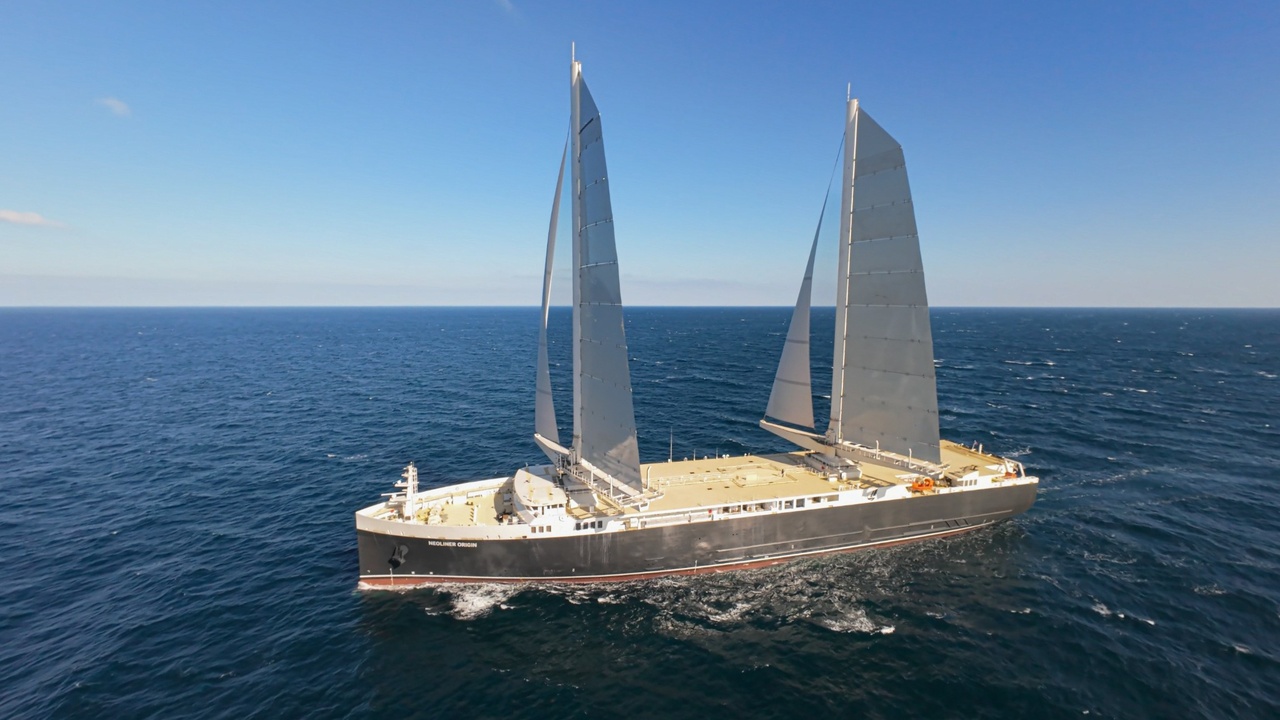
They exchanged the idea of a large house for a 35 m² warehouse, spent US$ 12,000 on the structure, and created a tiny house in Colorado with space to live and work.

-
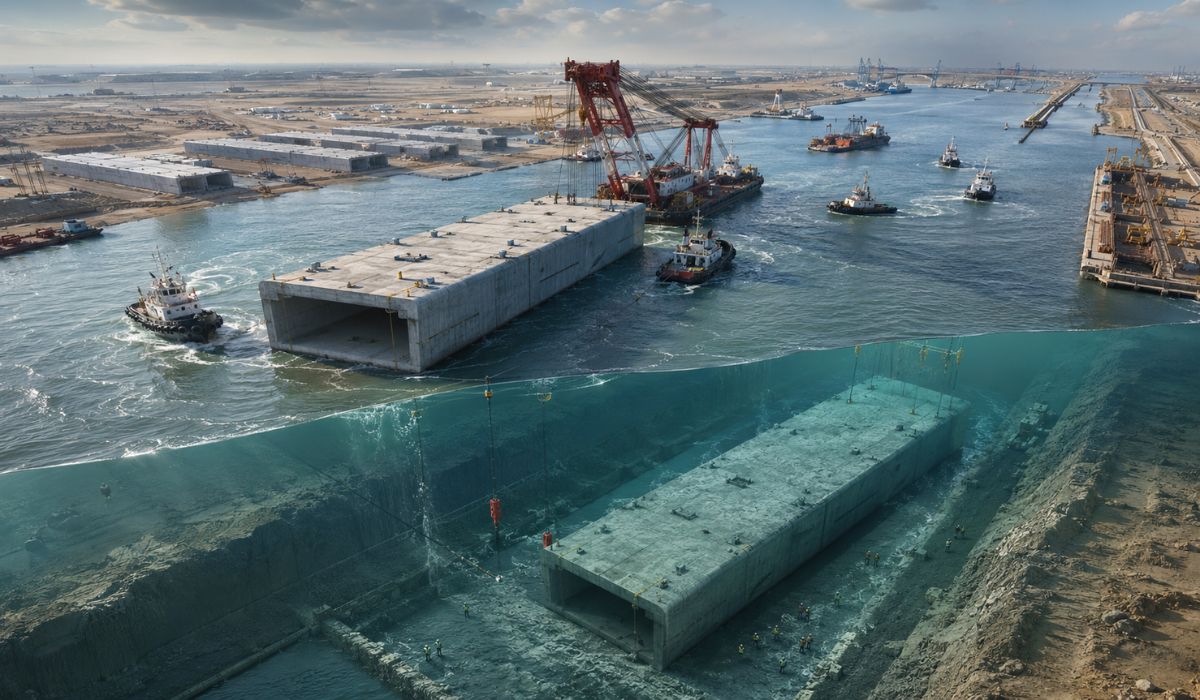
While modern cities rely on pumps and electricity, in Iran, ancient tunnels carried water through the desert using only slope and gravity.
-
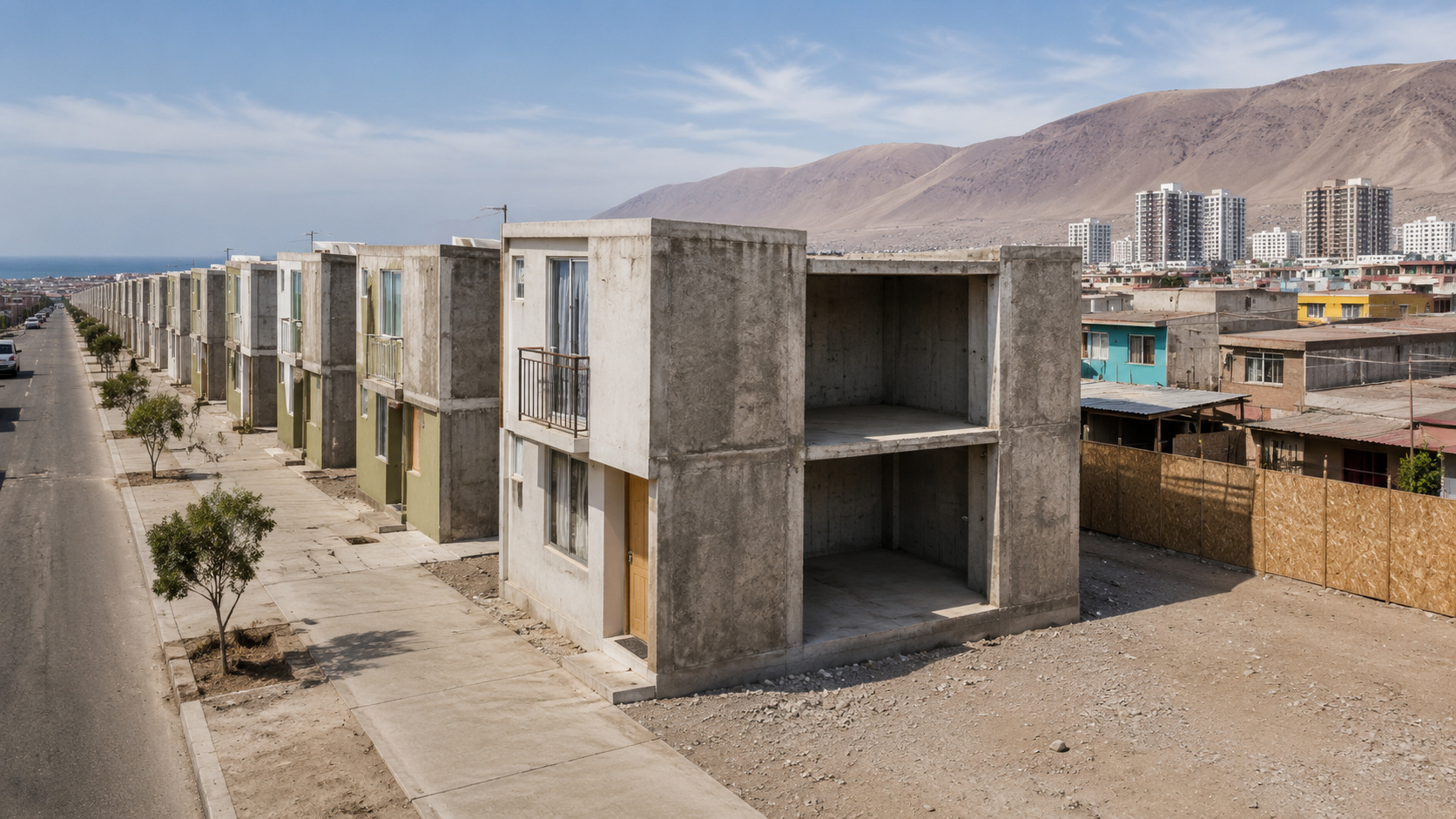
Instead of sending families far from the city, a project in Chile intentionally created incomplete houses on expensive urban land and left technical space for each to grow.
-
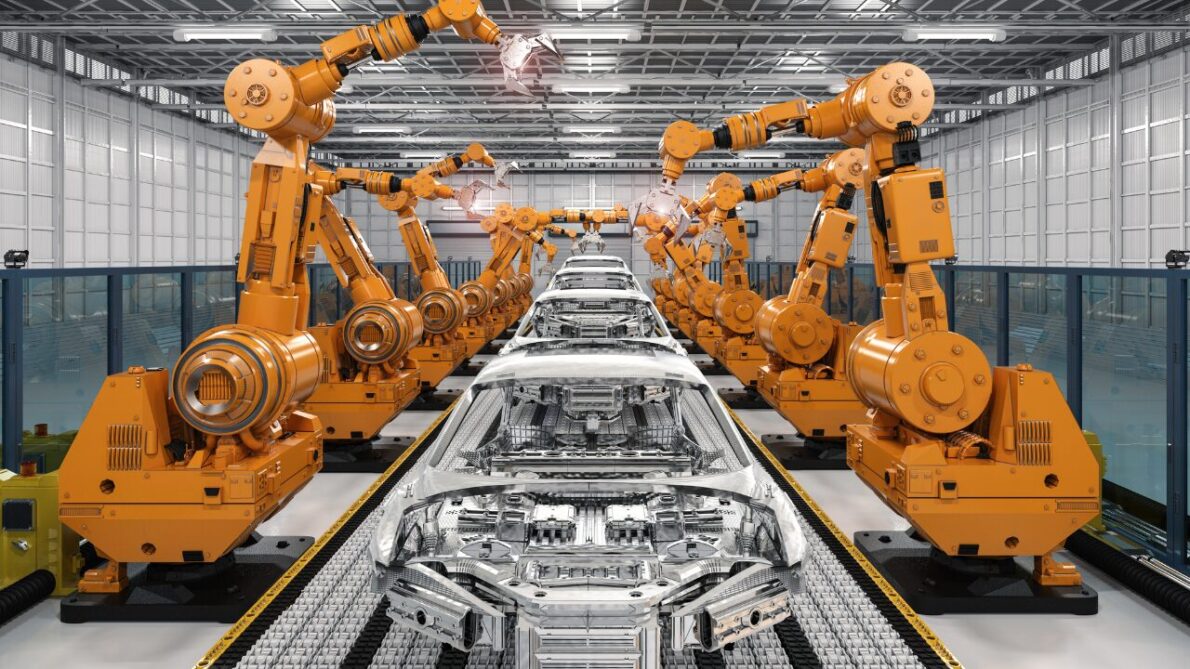
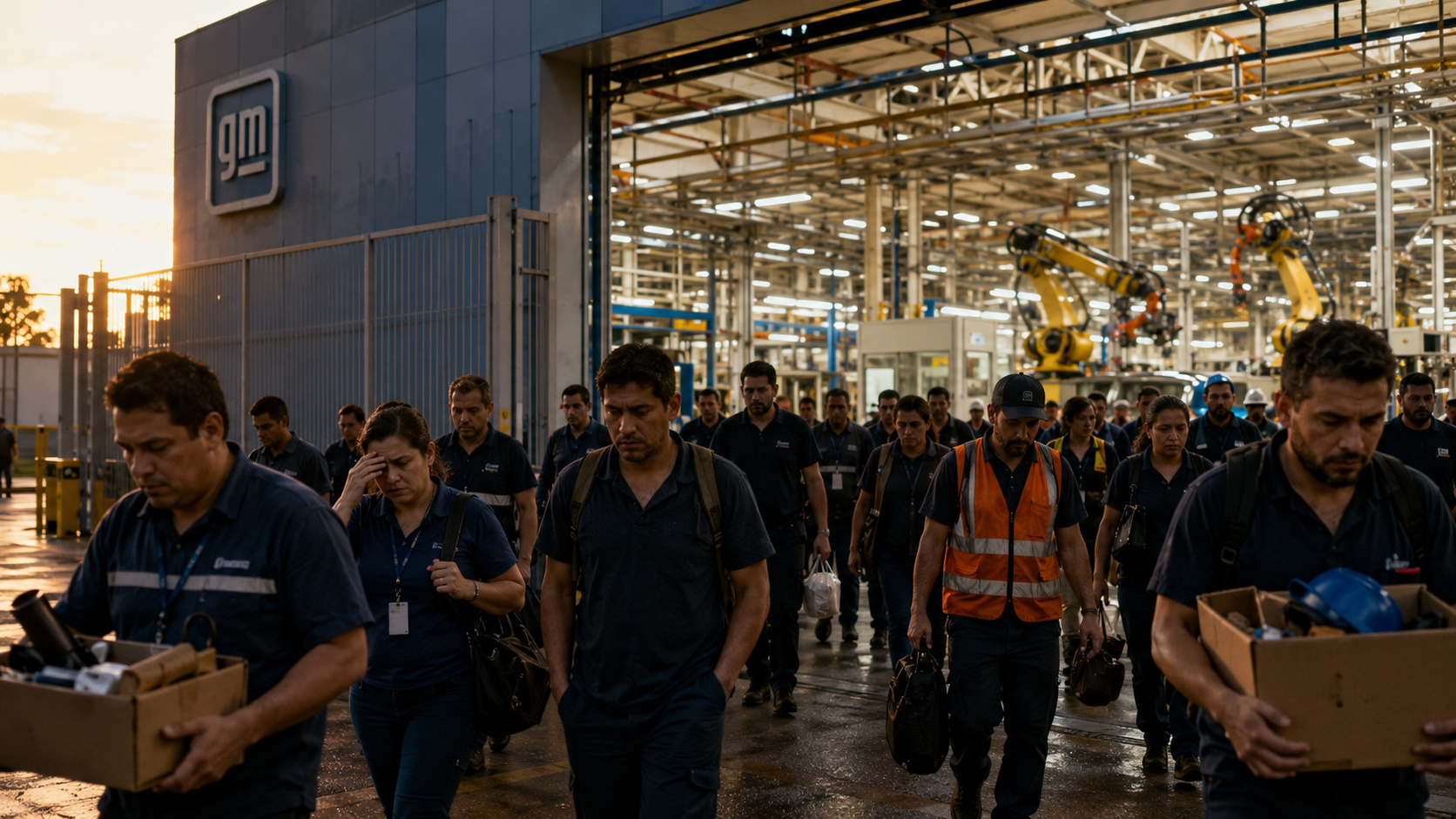
General Motors Replaces Over a Thousand Workers with 50 Cobots at Electric Vehicle Plant, UAW Union Criticizes Move Amid Industry’s Automation Push

This funding will primarily be used for the production of new flex hybrid engines, highlighting the German automaker’s commitment to developing more efficient and sustainable technologies.
The announcement of Volkswagen’s investment also signals a strengthening of the company’s presence in the state of São Paulo, focusing on innovation and increasing production capacity.
The São Carlos factory, for example, will be a key point for the production of new engines, reflecting the strategic importance of the São Paulo facilities for Volkswagen’s plans.
Details About the Chinese Automaker and the New Factory
Although the name of the Chinese automaker has not been disclosed, the announcement generated speculation about which company may be involved.
The Chinese automaker, which has a connection with Volkswagen, is in advanced negotiation with the São Paulo government to establish its own plant in Brazil.
Currently, three main Chinese automakers are speculated as potential partners for Volkswagen in this project: SAIC Motor, JAC Motors, and Xpeng.
SAIC Motor, one of the largest Chinese manufacturers, had expressed interest in establishing itself in Brazil, but with a focus on other states such as Minas Gerais and Rio Grande do Sul.
This reduces the likelihood of its selection for the establishment of the new factory in São Paulo.
JAC Motors, another Chinese automaker, has also been considered a potential candidate, but its presence in the Brazilian market is limited, and the company has not indicated plans for significant expansion in the state of São Paulo.
Possible Partnership with Xpeng
Xpeng appears as the most likely candidate to partner with Volkswagen and establish the new factory in São Paulo.
Xpeng, which came onto Volkswagen’s radar in 2023 with the purchase of a 4.99% stake, is an innovative automaker known for its technological initiatives, including the development of flying cars.
Xpeng is already in the process of developing a joint platform with Volkswagen, aiming to launch an SUV in 2026.
The fact that Xpeng is involved in advanced and innovative projects, along with its recent partnership with Volkswagen, makes it a strong candidate for this new investment.
The São Paulo government revealed that the negotiation with the Chinese automaker could bring new and important developments.
The establishment of an Xpeng factory in São Paulo would not only strengthen the presence of the Chinese brand in Brazil but also contribute to job creation and the development of the automotive industry in the state.
Expected Impacts from the Chinese Automaker Factory
The arrival of a new factory from a Chinese automaker in São Paulo has the potential to bring a series of economic and industrial benefits to the region.
In addition to the direct impact on job creation and local economic activity, the new plant could boost technological innovation in the Brazilian automotive sector and contribute to the advancement of more sustainable vehicle production.
Moreover, the establishment of a factory by Xpeng, or another Chinese automaker, could strengthen cooperation between Brazil and China in the automotive sector, expanding market opportunities and creating a more competitive and diversified environment.