






 Portuguese
  Spanish


The transformation of an old nuclear complex into lodging reveals how deactivated military structures have gained new uses, combining Cold War memory, underground renovation, and an unconventional seasonal rental model.
GT Hill, former technical marketing director and resident of Vilonia, Arkansas, purchased a deactivated Titan II nuclear missile complex in 2010 for $90,000 and spent about ten years renovating the underground structure until transforming it into a luxury Airbnb lodging.
According to a report published by Business Insider, the project consumed approximately $800,000 and converted part of an old Cold War military installation into an underground residence, event space, and area adapted for parties.
The property, now known as Titan Ranch, is located in Vilonia, Faulkner County, in central Arkansas, United States.
-
At 7 years old, boy swaps toy cars for raising bantams, dreams of becoming a veterinarian, and conquers the internet with his routine in the countryside of Santa Catarina; meet Luiz Miguel, the “Piá do Garnizé”

-
New York removed the tracks from over 2,500 subway cars and dumped everything at the bottom of the Atlantic, and what seemed like trash turned into an artificial reef teeming with fish and divers.

-
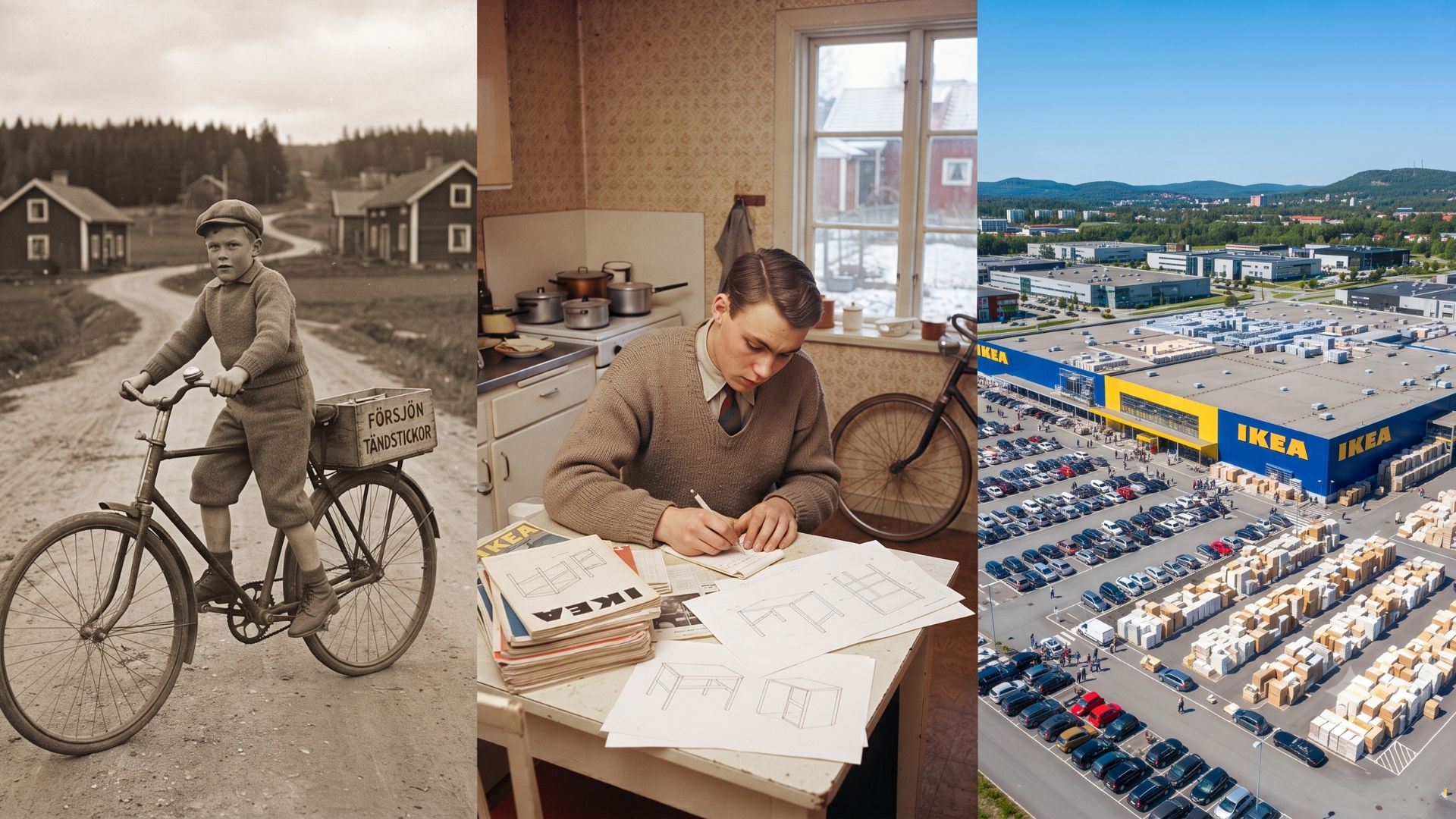
From matches sold by bicycle at age 5 to a global furniture empire: the lumberjack’s son founded IKEA at 17 in his uncle’s kitchen and transformed a small company into the largest furniture retailer on the planet.
-
The mansion in Flamengo, built in 1865 for the Baron of São Clemente and closed for 20 years, has become a spa, event hall, and gym for “Symphony,” a luxury condominium that sold 70% of its gross development value in the first month on the R$ 60 million land of the former Bennett College.



The property appears on Airbnb as “Luxury Titan II Nuclear Missile Complex” and offers guests the former Launch Control Center, an underground area of about 3,500 square feet, equivalent to approximately 325 square meters.
Originally built for military purposes, the structure was part of the Titan II silo network maintained by the United States during the Cold War.
These underground complexes housed intercontinental ballistic missiles during a period marked by the nuclear dispute between Americans and Soviets.
According to the Titan Missile Museum, 54 Titan II complexes were on alert in the country between 1963 and 1987.
Titan II Silo was purchased online
Hill told Business Insider that he found the Titan II silo online and began conversations with the former owner in January 2010.
In August of that year, he bought the 9-acre land for $90,000, a value that, according to the buyer himself, was about $30,000 above the estimated price of just the land.
Before the renovation, the site was far from conventional lodging.
The complex had been deactivated, partially destroyed, and buried.
According to the description made by Hill, the property comprised three main areas: the silo, with 57 feet in diameter and about 150 feet deep; a long connecting tunnel; and the Launch Control Center, installed approximately 50 feet below ground.
The purchase was motivated by a combination of historical interest, technical experience, and the intention to adapt the facility for residential use.
Hill reported that he grew up in a rural area of Oregon, learned welding and mechanical work, served as a jet engine mechanic in the United States Air Force, and later worked in the technology sector.
The renovation, however, required more than just structural adaptations.
The complex was filled with water, dirt, mineral deposits, and environmental hazards.
In an interview with KATV, a local ABC affiliate in Arkansas, Hill summarized the dangers of the first phase of the work by saying that “the first step of the renovation is not to die upon entering.”
Old nuclear bunker turned into vacation rental
The transformation involved excavation, drainage, recovery of internal areas, and adaptation of a military structure for residential use.
According to Hill, there was asbestos and methane gas in the upper part of the control center, where old crew areas were located.
He also reported to Business Insider that he had to make constant decisions about new expenses in an underground project that, for years, did not have immediate financial returns.
After a decade of work and about $800,000 invested, the old bunker began to operate as a vacation rental.
Hill told Business Insider that the property generates approximately $80,000 per year with Airbnb bookings.
Despite this, he said he does not recommend the experience to others and described the process as mentally exhausting.
The Airbnb listing describes the accommodation as an independent underground house, with a master suite, kitchen, theater room, and multi-use area.
The platform states that the accommodation has two bedrooms, three beds, one and a half bathrooms, kitchen, Wi-Fi, free parking, and pet-friendly policy.
Even with the adaptation for tourist use, part of the original features of the structure was maintained.
According to Hill, the upper floor received a king-size bed, large shower, and bathtub.
The intermediate level has two queen-size beds, while the lower area includes a kitchen and living room, which can also be used as a dance floor.
Underground area started hosting parties and events
One of the adaptations made in the former complex was the use of part of the lower area for private meetings and events.
According to Hill, the kitchen and room located on the lowest floor can function as a kind of private club.
The space has already hosted gatherings, birthday parties, musical performances, acrobats at a charity event, and content creators.
KATV reported that the complex began attracting visitors interested in experiences related to Cold War history and accommodations outside the traditional hotel standard.
To the broadcaster, Hill stated that most guests are looking for “adventure,” “history,” and something “ultra-unique.”
The first rental, according to the owner, occurred in November 2020.
At the time, the initial daily rate was $275, plus a cleaning fee of $75.
In the report published by Business Insider in November 2024, Hill said that the cost of a one-night stay ranged from $400 to $700, depending on the day of the week.
The accommodation gained greater visibility after the visit of content creators.
Hill stated that the travel influencer couple Kara and Nate stayed at the location in 2021 and that the video they published helped boost bookings the following year.


History of Titan II in the Cold War
The Titan II was one of the systems used by the United States in its nuclear strategy during the Cold War.
The program was part of the country’s second generation of intercontinental ballistic missiles.
According to KATV, each missile could carry a nuclear warhead of nine megatons and be launched from the silo in less than a minute.
The system went out of operation in the 1980s.
The Titan Missile Museum in Arizona claims to preserve the last of the 54 Titan II sites that were on alert in the United States between 1963 and 1987.
The institution presents the former complex as a record of the technology used by the country during the nuclear deterrence period.
In Arkansas, the silos are also part of the local military history.
KATV reports that there were 18 Titan II structures in the central region of the state, linked to the context of mutually assured destruction, a doctrine that guided part of the nuclear policy between the United States and the Soviet Union during the Cold War.
Despite the renovation, not all areas were converted into habitable spaces or open to guests.
Hill told KATV that the main silo shaft, with a depth equivalent to about 15 stories, remains isolated at the end of the longest tunnel in the complex.
According to him, excavating this part would be costly because the area remains completely flooded.
The former control center, on the other hand, has become the main area of the experience offered to visitors.
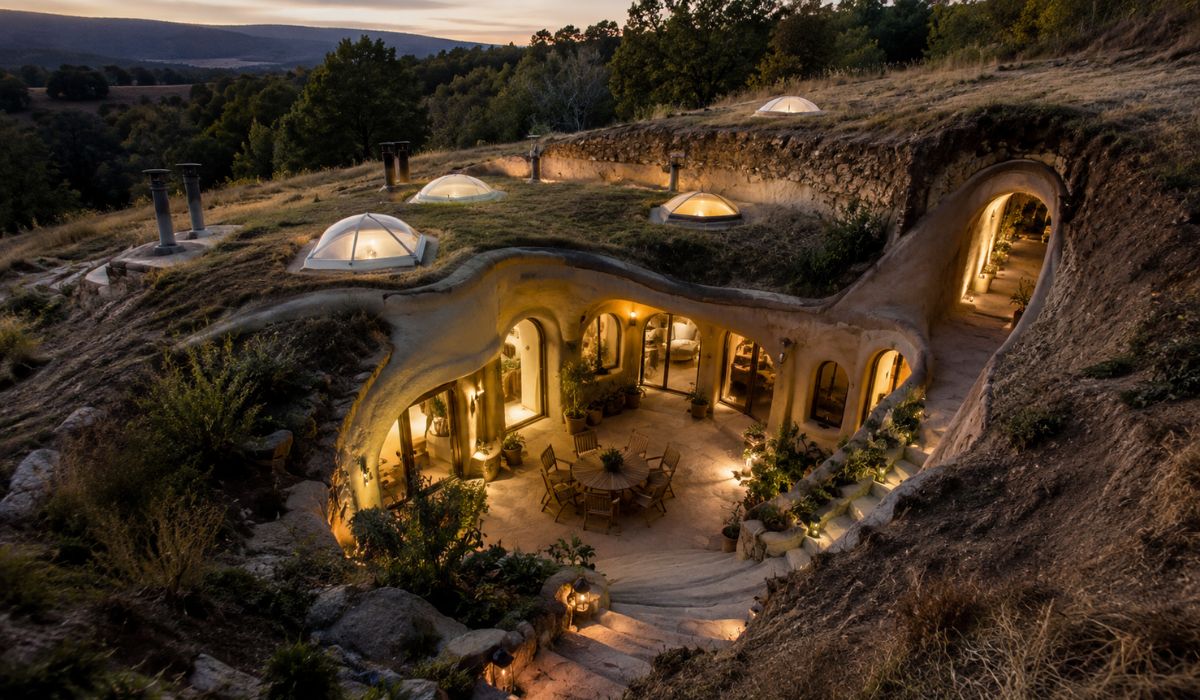
On Airbnb, the listing states that guests have access to the original Launch Control Center and the blast lock area, in an independent underground environment.
The repurposing of the complex shows how decommissioned military facilities can receive new uses after the end of their original functions.
In Hill’s case, the property went from a nuclear bunker to private lodging, maintaining elements from the Cold War period and incorporating features for housing, leisure, and events.


