






 Portuguese
  Spanish


Recently Inaugurated Treatment Center With Investment of R$ 200 Million Aims to Produce Biogas and Other Sustainable Fuels, But Awaits Decision to Receive Waste and Start the Energy Transformation in the Region.
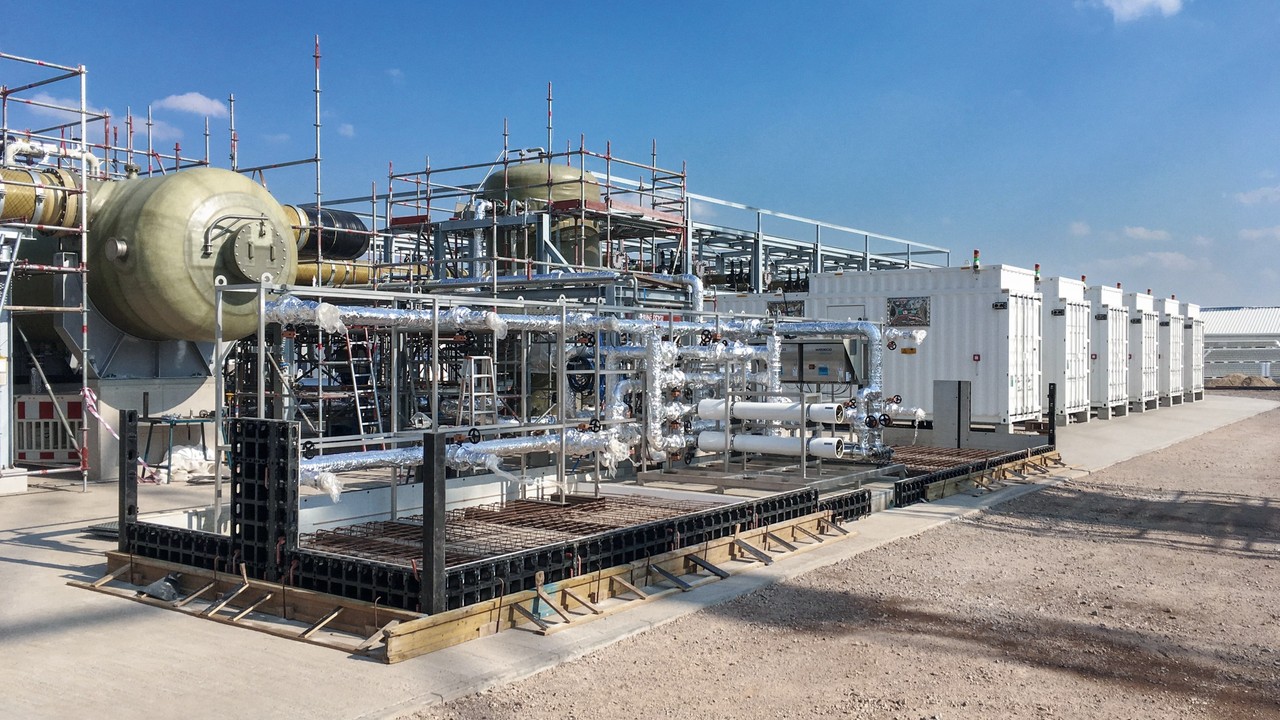
Manaus is about to join the route of sustainable fuels with the inauguration of the Waste Treatment and Transformation Center (CTTR) Amazonas. The project, built by Marquise Ambiental with an investment of R$ 200 million, aims to transform urban waste into biogas. In the future, the plan includes the production of hydrogen and e-methanol. However, the start of production of sustainable fuels depends on a decision from the local government regarding the receipt of waste.
A R$200 Million Milestone for Waste Management
The CTTR Amazonas, a project by Marquise Ambiental, represents an investment of R$ 200 million. Its first cell for the disposal of solid waste was inaugurated in 2024. Located about 3 km from the edge of BR-174, the infrastructure has a capacity to process up to 1,700 tons of waste per day. The business model was planned based on the operation in partnership with MDC in Fortaleza, Ceará. There, the companies produce biogas and inject it into the Cegás distribution network. Hugo Nery, president of Marquise Ambiental, comments: “Biogas is the decarbonization agent of petroleum gas. We are not competitors; we are an integral part of the energy transition process of gas”.
Decarbonization and New Energy Horizons With Sustainable Fuels
Biogas is the initial product planned for CTTR Amazonas. It aims to decarbonize gas consumption in the region. According to Hugo Nery, there is a range of value generation possibilities from proper waste management. “Biogas is the first product, but CO2 is already on the radar for the production of e-methanol, which will be the fuel for global navigation in the future”, he explains. He adds that, with treated leachate water, it is possible to generate hydrogen. This hydrogen, combined with CO2, can produce e-methanol. Attached to CTTR, the first biogas plant in the Amazon will be built with a capacity to produce 90,000 cubic meters per day. According to the company, this will prevent the emission of 300,000 tons of CO2 equivalent per year.
-
Corn ethanol attracts R$ 23 billion in 21 new plants and prepares for a nearly 50% jump in Brazilian production by 2027, even with high interest rates.

-
Ceará brings together 7 giants and R$ 66 billion to transform Pecém into the largest green hydrogen hub in Brazil, with final decisions expected by the end of 2026.
-
H2A to Invest $570 Million in 22 Biomethane Plants in Brazil, Converting Agricultural Waste into 700 Tons of Renewable Fuel Daily

-
Brazil to Introduce B16 Diesel with Increased Soybean Oil Content for Trucks by 2026


Court Decision Delays Initiation of Sustainable Fuel Production
The production of sustainable fuels in Manaus, however, will still have to wait. Although CTTR is ready to start receiving waste from all municipalities located within a 150 km radius of the capital, a decision by the Amazonas Court of Justice (TJAM) in April 2024 extended the life of the city’s old landfill until 2028. Hugo Nery informs that, even after the waste starts being directed to Marquise’s project, it will be necessary to wait two to three years. This is the time required until the volume is sufficient to justify the production of renewable gas. “The biogas plant does not operate at the moment of waste reception. As soon as we have the agreement with the city hall and the receipt of waste at our landfill, the investment orders will start”, says Nery. He adds that the planning for the construction of the biogas unit is two to two and a half years, a timeframe for biogas to be economically justified.
Waste as Renewable “Oil Wells” and the Debate at COP30
The Brazilian Association of Waste and Environment (Abrema) estimates that more than 41% of urban waste was inadequately disposed of in Brazil in 2023. This means that methane, a greenhouse gas more powerful than CO2, is being released into the atmosphere instead of being converted into energy. Abrema participated in an event in Manaus discussing the potential of biogas in the climate agenda at COP30. The association wants to bring the discussion on basic sanitation to the UN conference in Belém (PA). “We want to discuss the issue of basic sanitation at COP30, where only forest is talked about”, defends Abrema president Pedro Maranhão. He points out that in the Amazon, only 15% to 20% of sewage is treated, and 80% of waste is sent to dumps. For Maranhão, landfills are like “real renewable fuel oil wells”. He exemplifies that the landfill in Manaus could provide sustainable fuels for taxi fleets, buses, trucks, cooking gas, and for the industry, helping the country meet its goals under the Paris Agreement.








