Portuguese
  Spanish


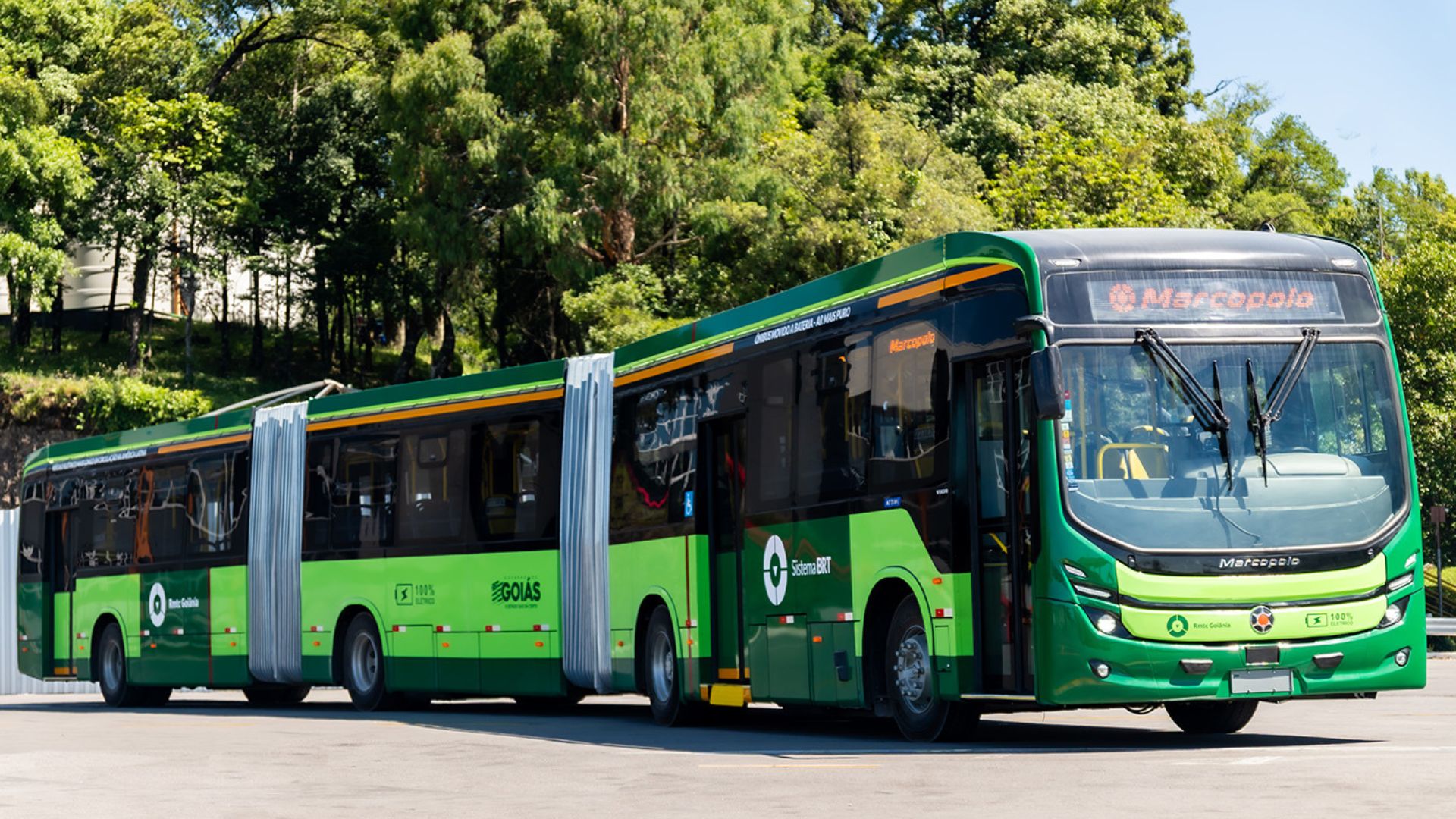


Marcopolo Announces Attivi Express Line in BRT of Goiânia with Electric Bi-Articulated Buses and Volvo Technology, Expanding Transport Capacity, Energy Efficiency, and Sustainable Urban Mobility in Brazil
Marcelo announced the official launch of the Attivi Express, a new generation of 100% electric buses that includes the first electric bi-articulated buses in Brazil, equipped with Volvo technology and intended for the BRT system of Greater Goiânia. According to a publication made by Marcopolo itself on January 30, the project represents a significant advance for sustainable urban mobility in the country and places collective transport in Goiânia on a new level of innovation.
Marcópl Attivi Express and Electric Bi-Articulated Buses in Brazil
The arrival of the Marcópl Attivi Express marks an important moment for the national public transport sector. The initiative presented by the Brazilian manufacturer introduces high-capacity vehicles powered exclusively by electricity, focusing on energy efficiency, emissions reduction, and improving user experience. The launch reinforces the global trend of electrification of urban fleets, a movement that is consistently growing in major cities around the world.
The project was announced by the manufacturer in its official press room, highlighting that the vehicles were developed to operate on rapid transit corridors known as BRT. The proposal combines onboard technology, passenger comfort, and operational performance, factors considered strategic for the modernization of collective transport in Brazil.
-
Farmer Revives Arid, Abandoned Land in Brazil’s Bahia into Thriving Forest, Demonstrates How ‘Syntropic Agriculture’ Can Transform Rural Futures

-
Study Reveals 40% of Brazilians Unaware of Circular Economy, Highlighting Challenges in Sustainable Transition and Recycling Expansion
-
Brazilian Startup Converts Rain into Potable Water Without Chemicals, Surpasses 10 Million Liters, Joins $1.2 Million Project to Bring Simple Technology to Drought-Stricken Areas in Northeast Brazil
-
Brazilian Company Innovates with Treated Water Billing Model, Surpassing 10 Billion Liters and Offering Up to 40% Savings for Large Industries




Marcopolo and Volvo Drive Innovation in Collective Transport
The partnership between Marcopolo and Volvo is one of the pillars of the Attivi Express. While Marcopolo is responsible for the development of the bodywork and structural design of the vehicles, Volvo provides the electric chassis and propulsion system. This combination merges bus engineering experience with cutting-edge automotive technology, enhancing the reliability and efficiency of the models.
The collaboration between the two companies is not new in the sector, but gains relevance in this context as it involves electric bi-articulated vehicles — a high-capacity configuration that is uncommon in fully electrified systems. The use of Volvo chassis aims to provide consistent performance, greater operational autonomy, and active safety, essential elements for operation in high-demand corridors.
Moreover, the strategy demonstrates how industrial partnerships can accelerate the adoption of sustainable solutions in urban transport. Electrification is no longer just a trend; it is becoming a practical policy for mobility, especially in capitals and metropolitan areas with high passenger flow.

Understand Marcopolo’s Choice for Debut in BRT of Goiânia
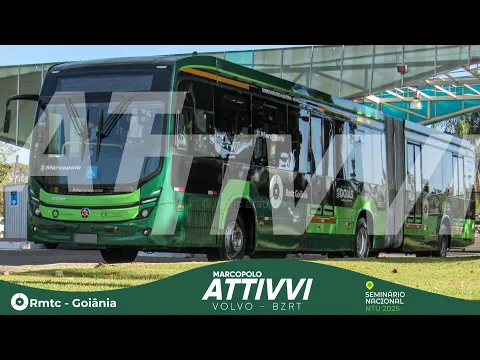
The BRT system of Greater Goiânia was chosen as the debut environment for the vehicles of Attivi Express. The decision is related to the high passenger demand and the need to expand transport capacity without significantly increasing the number of vehicles in circulation. Electric bi-articulated buses emerge as an efficient solution to transport more people with less environmental impact.
Bi-articulated models have a length greater than conventional articulated buses, allowing a higher volume of passengers per trip. This reduces the interval between buses and improves the flow of the system. The electric operation contributes to the reduction of urban noise and pollutant emissions, two factors directly linked to the quality of life in cities.
Another point highlighted by the manufacturer is the focus on user experience. The vehicles feature LED internal lighting, wide access doors, reserved spaces for people with reduced mobility, and areas designated for wheelchairs. Comfort is no longer a differential; it becomes a basic requirement in modern public transportation.
Technical Characteristics of the Marcopolo Attivi Express with Volvo Technology
The vehicles of the Marcopolo Attivi Express are designed to operate in high demand, focusing on operational efficiency and durability. The bodywork uses lightweight and durable materials, contributing to better energy performance. The aerodynamic design favors autonomy and reduces electrical consumption, an essential aspect for urban transport systems.
Among the technical features announced are internal monitoring systems, security cameras, and driver assistance technologies. These elements enhance safety for both passengers and drivers. The integration between Marcopolo bodywork and Volvo chassis allows for greater stability, quick response, and silent driving, characteristics valued in high-traffic corridors.
High autonomy is another relevant factor. Although the manufacturer does not disclose absolute numbers in all communications, the focus is to ensure continuous operation over long periods without frequent recharging. This increases economic viability and reduces vehicle downtime, a decisive factor for public transport operators.
Environmental Impacts and Efficiency of Electric Bi-Articulated Buses
The introduction of electric bi-articulated buses represents a direct advance in reducing pollutant gas emissions. Electric vehicles do not use fossil fuels during operation, contributing to the reduction of carbon dioxide and harmful particles in urban air.
Another benefit lies in energy efficiency. Electric motors present less energy loss compared to combustion engines, resulting in better utilization of power. Moreover, maintenance costs tend to be lower over time, as electric systems have fewer mechanical components subject to wear.
The reduction of noise also deserves emphasis. Electric buses operate significantly more quietly, contributing to less noisy urban environments. This factor directly impacts public well-being and the perception of the quality of public transport.
Brazilian Market and Expansion of Marcopolo Attivi Express
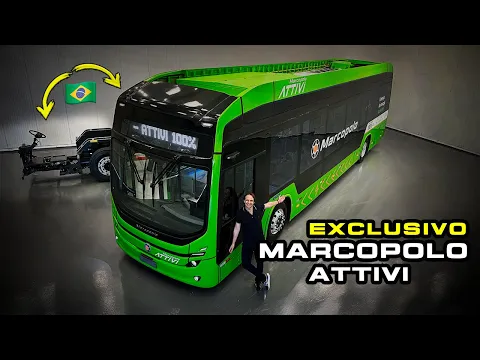
The launch of the Marcopolo Attivi Express accompanies a growing movement of electrification in Brazil. Several cities are studying or have already implemented electric transport projects as part of urban sustainability strategies. The trend points to a gradual expansion of electric fleets in the coming years, driven by public policies and private investments.
Domestic and international manufacturers have expanded portfolios aimed at electric mobility, and Marcopolo positions itself as a protagonist in this scenario. The introduction of electric bi-articulated buses reinforces the capacity of the Brazilian industry to innovate and compete globally. This advance also encourages operators and governments to rethink urban transport models, prioritizing efficiency and sustainability.
In addition to the environmental aspect, electrification contributes to the institutional image of cities. Municipalities that adopt clean transport solutions tend to attract investments and improve urban quality indicators. Public transport is becoming a strategic development tool, rather than just an essential service.
A New Level for Brazilian Urban Mobility
The launch of the Marcopolo Attivi Express represents more than the arrival of new vehicles in public transport. It is a significant step towards more efficient, quieter, and environmentally responsible urban systems. The combination of Volvo technology, Marcopolo design, and a focus on sustainability demonstrates that innovation and environmental responsibility can walk hand in hand.
The debut of electric bi-articulated buses in Brazil signals technological maturity and reinforces the country’s potential to lead clean mobility solutions in Latin America. The impact goes beyond transportation and reaches quality of life, energy economy, and intelligent urban planning.
With initiatives like this, public transport becomes central to building more modern and functional cities. Electrification is no longer a future trend; it consolidates as a present reality, paving the way for new phases of innovation in the Brazilian urban mobility sector.