Portuguese
  Spanish



The New Material Is One of the Best in Thermal Conduction, Besides Being Ultra Flexible and Waterproof
Graphene is a nanomaterial that constitutes one of the crystalline forms of carbon and is already available in Brazil. It is among the best in thermal conduction and is one of the strongest and hardest materials known. The optical properties of graphene ensure the passage of almost 98% of incident light, and it is also ultra flexible and waterproof.
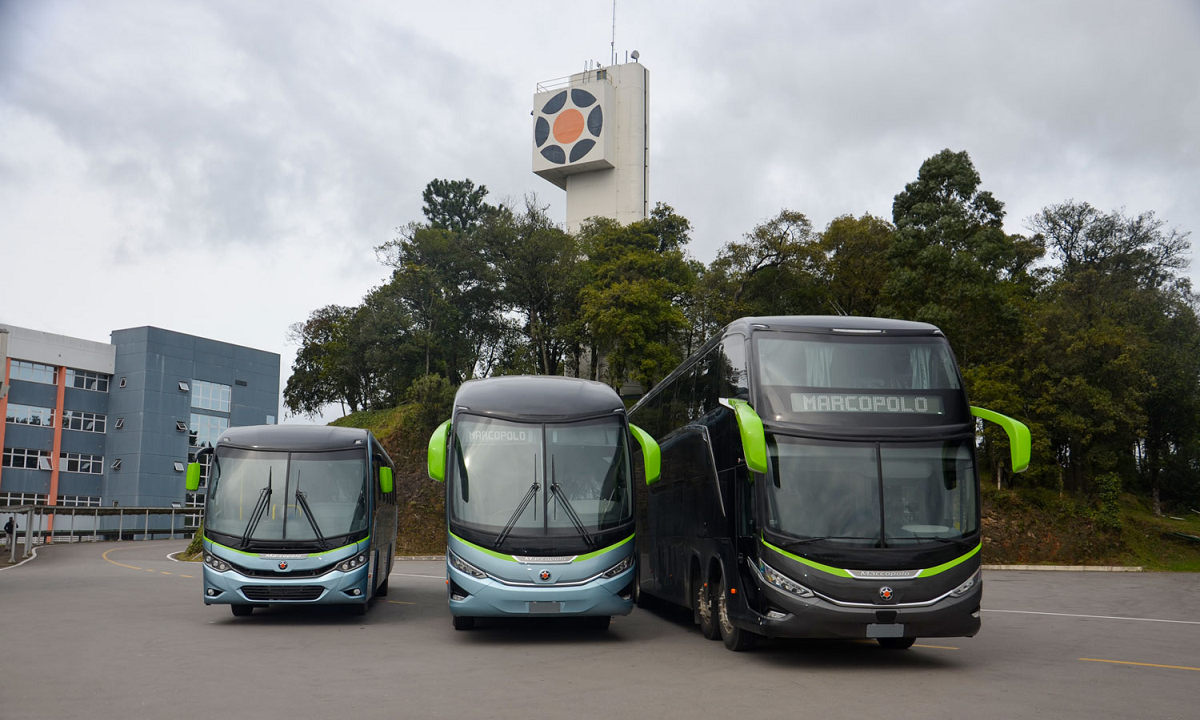
Recognizing the power of the new material, Marcopolo, a Brazilian bus body manufacturer, could not miss the opportunity. Thus, its subsidiary Apolo Tecnologia em Polímeros began to create a unit to inject automotive components with resins enhanced with graphene masterbatch, after three years of research in the field.
Why Invest R$ 20 Million in an Auto Parts Manufacturer Instead of Importing the Components?
André de Castilhos said in an interview with Plásticos em Revista: “Apolo has been a company owned by Marcopolo S.A. since 2014. We carry out polymer injection for all the bodybuilder’s projects and our advantages include competitiveness with current suppliers with lower costs and technological development keeping pace with global performance.”
-
They exchanged the idea of a large house for a 35 m² warehouse, spent US$ 12,000 on the structure, and created a tiny house in Colorado with space to live and work.

-
While modern cities rely on pumps and electricity, in Iran, ancient tunnels carried water through the desert using only slope and gravity.
-
Instead of sending families far from the city, a project in Chile intentionally created incomplete houses on expensive urban land and left technical space for each to grow.
-
General Motors Replaces Over a Thousand Workers with 50 Cobots at Electric Vehicle Plant, UAW Union Criticizes Move Amid Industry’s Automation Push


“We are involved in manufacturing some components used in the production of vehicles made by Marcopolo, Volare, and Neobus. From a strategic standpoint, we understand that this manufacturing helps us accelerate internal actions,” Castilhos states.
“Apolo has eight years of market expertise focused on the injection process. It works with all engineering resins available in the market. We will have hybrid machines (electric injection with mechanical closing) with injection capacities ranging from 100 to 1,350 tons, and production capacity will exceed 300 tons/month of injected parts (plastifications),” he concludes.
Apolo Will Continue with Local Suppliers That Assist in Logistics for the Production of Components for Marcopolo Vehicles
It is important to remember that Apolo already existed and was involved in manufacturing plastic parts. According to Castilhos, there will only be a change of location and the introduction of new items manufactured. The company will continue with local suppliers that assist in logistics for the production of components for Marcopolo vehicles. Apolo will continue to supply current parts and new developments that arise for the company.
However, Castilhos states that Apolo develops products for both Marcopolo and new clients, as the company is dedicated to researching solutions involving polymers. It has the capacity to meet the demands of the company and other industries that invest in advanced molding of polymer parts and in products with graphene to replace steel counterparts. Therefore, it is understood that the work with graphene will not be exclusive to Marcopolo.