Portuguese
  Spanish


Even After Offering Billion-Dollar Sums to Attract Specialists, Meta Faces Significant Losses in Its Artificial Intelligence Team.
Mark Zuckerberg caught the attention of the artificial intelligence sector with giant financial offers.
Even in an already saturated money environment, the Meta founder went further and offered payments of up to US$ 1 billion to attract the top names in machine learning.
The goal was to strengthen the company’s Superintelligence initiative, but negotiations haven’t always been successful.
-
IBM Breaks 1-Nanometer Barrier with 0.7 nm Chip Featuring Nearly 100 Billion Transistors and 3D Architecture, Promising AI Revolution

-
Apple Raises MacBook and iPad Prices as Memory Costs Surge by Up to 98%, Losing Edge Over Rivals and Highlighting AI Boom’s Impact on Consumers
-
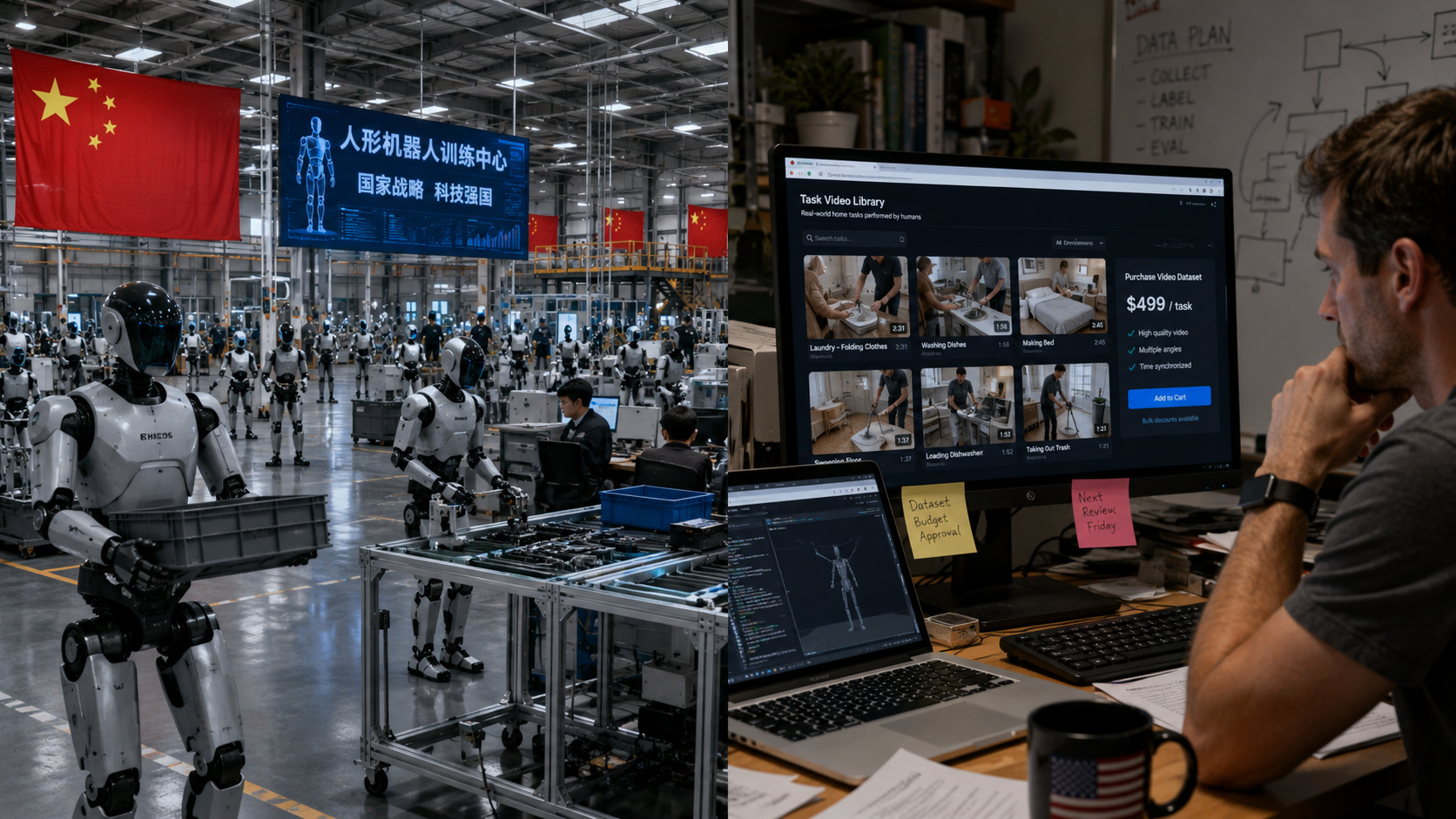
China Establishes State Centers to Train Humanoid Robots, While the West Lags Behind with Makeshift Solutions
-
The Trap of Modern Technology: How Screen Overload and Digital Connections Can Impact Your Mental Health and Well-being



In a specific case, a researcher turned down a 10-digit offer and decided to remain at the Thinking Machines Lab, led by Mira Murati, a former executive at OpenAI.
Micromanagement and Internal Climate
Reports that Zuckerberg’s micromanagement might be wearing down the AI teams began to circulate quickly. This form of leadership, considered centralizing, would be causing frustration among employees.
Therefore, even with the high amounts invested, the internal climate at Meta seems to be deteriorating.
Sources indicate that the company is struggling to maintain cohesion in its efforts in the sector, opening the door for further talent losses.
Researchers Resign
Wired magazine reported that at least three researchers have definitively left the company. Among them are Avi Verma and Ethan Knight, both coming from OpenAI.
The two returned to their former home after failing to adapt to Zuckerberg’s management style.
Another case is of Rishabh Agarwal, who had joined a few months ago but also decided to leave. Additionally, product manager Chaya Nayak, with a long history at Meta, chose to migrate to OpenAI, further reinforcing the return movement.
Still Mysterious Reasons
Despite the departures, the researchers avoid giving detailed explanations. Some prefer not to comment, while others keep their motivations vague.
This silence fuels speculation about the real reasons, but so far there is no clear answer.
What is noticeable, however, is that even large payments were not enough to ensure stability within Meta.
This raises questions about the direction of the superintelligence project and Zuckerberg’s ability to retain strategic talent in an increasingly competitive sector.