






 Portuguese
  Spanish


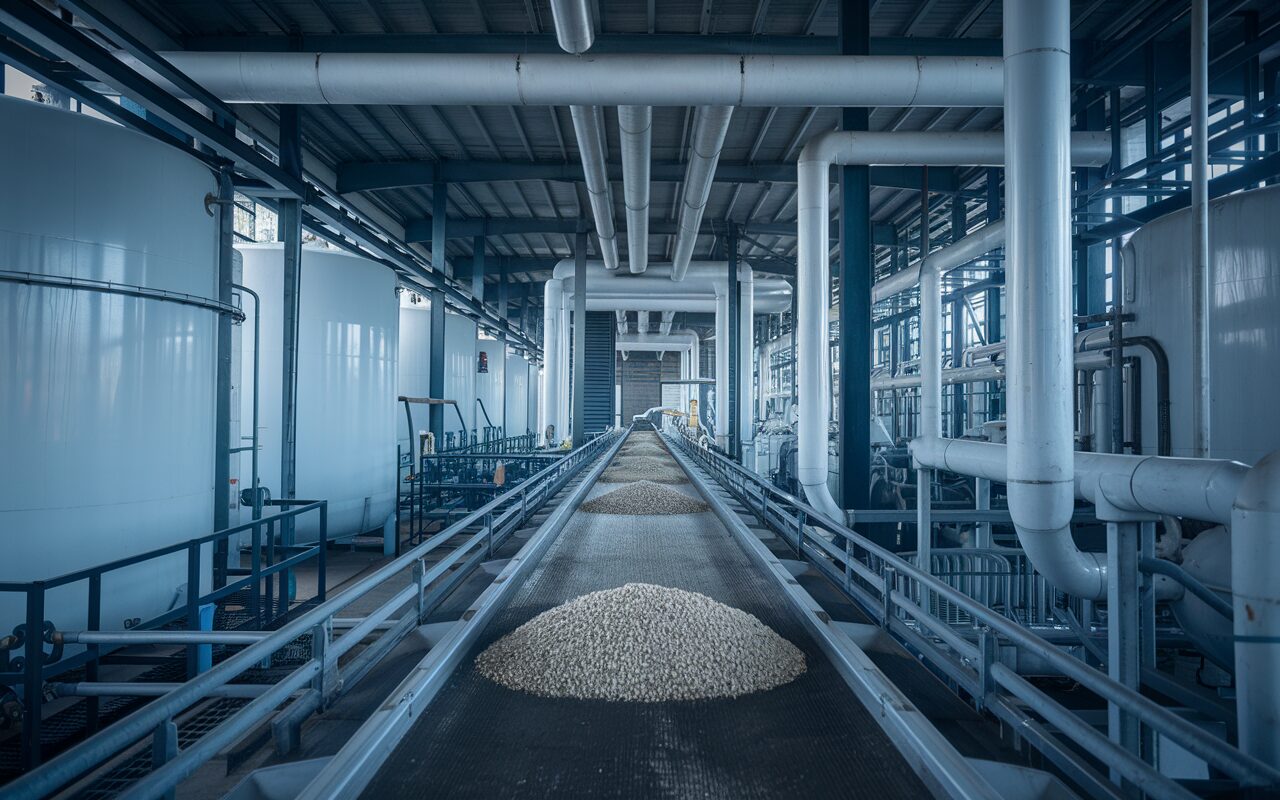


Gravetal Bolivia S.A Project Plans to Install New Fertilizer Factory in Campo Grande (MS) Expected to Generate 150 Job Opportunities.
A new step in commercial cooperation between Mato Grosso do Sul and Bolivia was taken with the presentation of the project to install a fertilizer factory by Gravetal Bolivia S.A in the capital, Campo Grande. The proposal was formally submitted to the State Secretariat for the Environment, Development, Science, Technology, and Innovation (Semadesc), which considers the initiative strategic for the regional agribusiness and for the logistical strengthening of the Midwest.
The project foresees the importation of inputs such as urea, phosphate, and boron, all fundamental in high productivity agriculture. These materials will be blended and distributed locally from the unit installed in the Western Industrial Pole of Campo Grande.
The Bolivian company is already negotiating the acquisition of land for the implementation of the plant and seeks to enable the business through a partnership with a Brazilian group, leveraging the return logistics of trucks that currently transport soy to the neighboring country.
-
Brazil’s Federal Revenue Auction: iPhone 13 for $95, PlayStation 4 for $80, and Volkswagen Jetta for $2,600 Among 232 Lots Available

-
Tech Giant Oracle Lays Off 21,000 Employees and Invests $70 Billion in Artificial Intelligence

-
Chilean Giant Acquires St. Marche, Expanding from Discount to Premium Supermarkets in São Paulo’s High-End Retail Market
-
After 60 Years of Selling Cheap Milk, Brazilian Family Invests in $4,000 Equipment to Transform Farm’s Milk into Premium Sweets, Producing 2 Tons Daily and Aiming for $6.4 Million


Bolivian Fertilizer Factory May Increase Supply in the Midwest
The construction of a fertilizer blending unit in the territory of Mato Grosso do Sul is seen as a step forward in the national effort to reduce dependence on imported products and increase competitiveness in the agricultural sector. With the rising demand for inputs, especially in regions such as Mato Grosso do Sul, the presence of a new plant facilitates a more efficient distribution of fertilizers within Brazil.
The Gravetal proposal aligns with local development plans, as explained by Secretary Jaime Verruck. For him, the investment reinforces the position of Mato Grosso do Sul as a hub logistics and increases the State’s capacity to add value to its agricultural production.
Focusing on fertilizers, the new plant can serve local producers and supply neighboring states, taking advantage of the region’s strategic position on the Brazilian agribusiness map.
Integration Between Bolivia and Mato Grosso do Sul Strengthens Regional Agribusiness
Gravetal is already involved in soy processing and maintains operations on the border between Bolivia and Brazil. The presented project expands commercial integration between the two countries, aiming to make Mato Grosso do Sul a reference in supplying agricultural inputs produced from Bolivian raw materials.
In addition to importing and blending fertilizers, the Bolivian group also intends to acquire soy from Mato Grosso do Sul for processing, closing the logistical cycle more efficiently and taking advantage of the return of trucks with inputs to the State.
Representatives from Aprosoja-MS and Serving Agro participated in the meeting with Gravetal’s entrepreneurs, reinforcing the agricultural sector’s interest in partnerships that reduce operational costs and improve the supply of essential products for the harvest.
Logistics and Infrastructure Are Key Factors for the Viability of the New Factory
The logistical infrastructure of the region is a decisive factor for the installation of the new fertilizer factory in Mato Grosso do Sul. Proximity to Bolivia, the connection to important highways, and plans for expanding the rail network were discussed during the meeting between entrepreneurs and representatives of the state government.
According to Secretary Jaime Verruck, Gravetal’s investment aligns with the state’s plans to increase competitiveness and diversify the production base. “We are strengthening an ecosystem that enables new production chains and improves the utilization of our geographical position,” he stated.
Additionally, Gravetal’s proposal comes at an opportune moment, considering the need for more logistical alternatives for the flow and distribution of fertilizers, especially for the producing regions of the Midwest and North.
Gravetal’s Fertilizer Factory Emerges Amid Uncertainty Surrounding UFN III
Gravetal’s movement also draws attention due to the context of the Nitrogen Fertilizer Unit III (UFN III), located in Três Lagoas. The Petrobras plant has 80% of its works completed since 2014, and so far, there is no concrete forecast for a resumption.
UFN III was planned to reduce Brazil’s dependence on nitrogen fertilizers by up to 30%, but delays in bidding and defining a new operator are causing uncertainties in the market.
Meanwhile, other companies, such as Gravetal, identify opportunities in the vacuum left by this uncertainty, offering faster solutions focused on distribution logistics. The new plant, even with a smaller structure than that of UFN III, could meet a significant part of the demand in central Brazil.
Bolivian Factory May Enhance Agricultural Competitiveness in Mato Grosso do Sul
The installation of a new industrial unit strengthens the role of Mato Grosso do Sul as an agro-industrial center, allowing the State to move from being a raw exporter to taking a stronger position in the transformation of agricultural inputs.
By integrating the production chain, from receiving Bolivian inputs to distributing blended fertilizers, the State increases its weight in the national agribusiness and can capture new markets.
With an expanding logistical network, focus on infrastructure, and openness to international partnerships, the business environment in Mato Grosso do Sul becomes attractive for industrial investments that add value to rural production.


