Portuguese
  Spanish


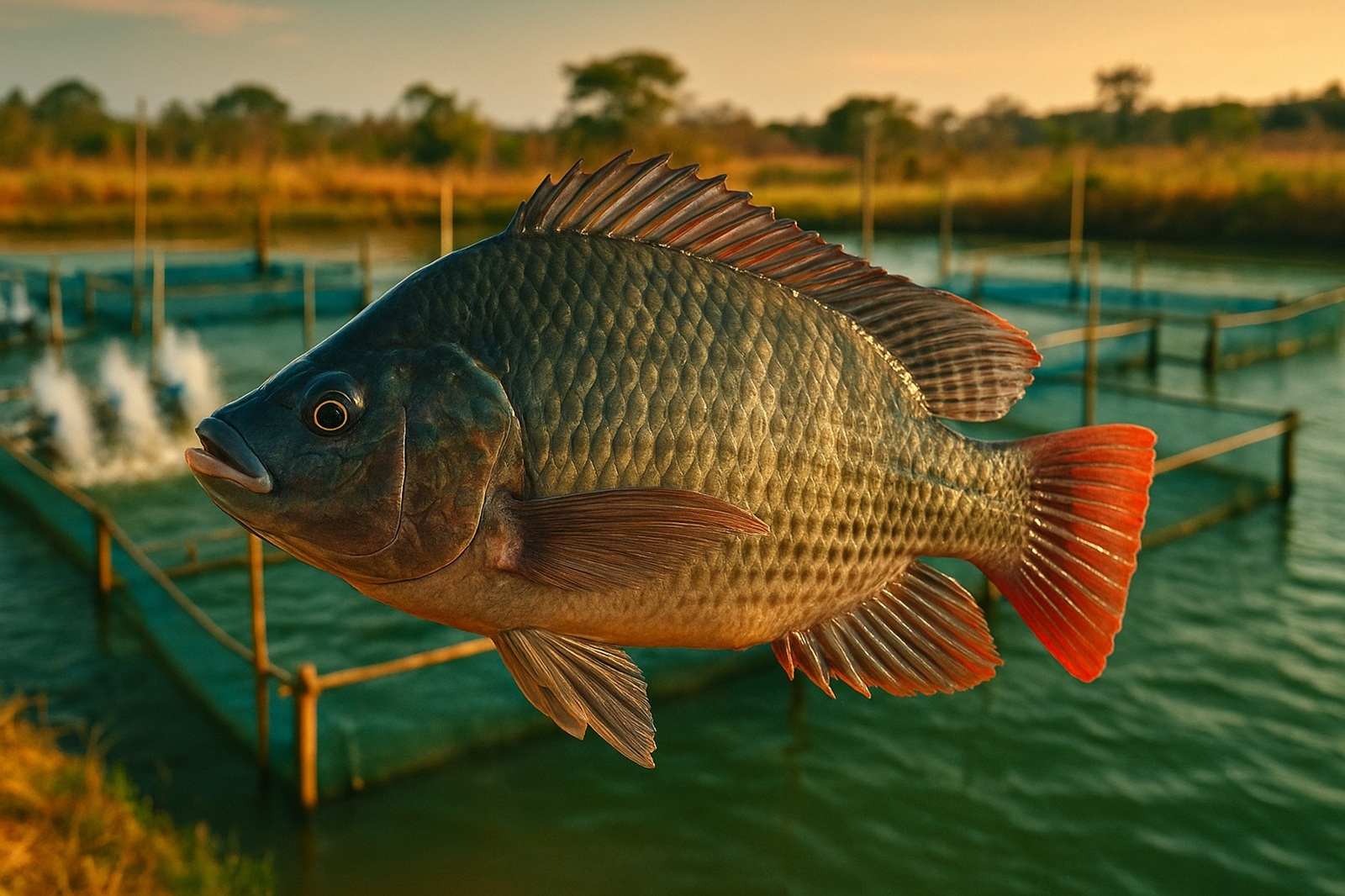


Amid Concerns About Imbalanced Prices, Health Risks, and Impact on the Production Chain, Mato Grosso do Sul Discusses the Ban on Tilapia Without Proven Origin to Reinforce Local Market Security
In the Legislative Assembly of Mato Grosso do Sul, the Bill Law 304/2025, authored by Deputy Roberto Hashioka, establishes a ban on the importation and commercialization of tilapia with questionable origin in the State. The matter was forwarded for analysis by the Commission of Constitution, Justice, and Drafting.
The text prohibits the importation, commercialization, distribution, and offering to consumers of tilapia whose provenance is not proven. The restriction applies to the product in natura, chilled, frozen, filleted, or in any form of processing.
Definition of Origin and Proof Requirements
Under the proposal, tilapia that does not present fiscal, sanitary, and traceability documentation issued by a Brazilian producer or supplier will be considered to have questionable origin. This information needs to be regularized to ensure correct identification of the fish.
-
Flower strips in Brazilian farms become pest control strategy, attracting predator insects and reducing the need for chemical pesticides.

-
Yara acquires Texas ammonia plant for $1.3 billion, boosting global fertilizer competition with 1.3 million tons annual capacity

-
At 35, Lawyer Leaves Corporate Career to Turn 1-Hectare Farm into Organic Supplier for Schools in Southern Brazil

-
Solar-powered agricultural robots operate 24/7, remove weeds with 8mm precision, and aim to cut herbicide use without fuel consumption in the fields.



Establishments that sell the fish must keep documents proving the origin alongside the product. Identification must include the name of the national producer or processor, sanitary certifications issued by the competent authorities, as well as lot data, processing date, and traceability information.
Objectives and Justifications of the Project
The project aims to prevent the circulation and sale of tilapia with uncertain provenance in Mato Grosso do Sul. The measure is presented as necessary to protect the local economy, public health, the environment, and the consumers of Mato Grosso do Sul.
Justifying the proposal, Roberto Hashioka stated that the entry of tilapia of questionable origin, especially sold at prices below those practiced locally, can cause competitive imbalance. According to him, this practice could be classified as dumping and create significant losses for the state production chain.
Hashioka also highlighted health risks related to the importation of fish without proof of origin. Products not subjected to inspection standards, residue control, traceability, and certification can pose threats to public health.
National Discussion on Invasive Species
The National Commission on Biodiversity is reviewing the update of the National List of Invasive Exotic Species, which now includes tilapia. The potential inclusion has a technical and preventive character, without indicating a ban or restriction on the use of the species in the country.
The recognition of species with the potential to cause environmental impacts serves as a reference for the formulation of public policies and prevention and control actions.
Economic Relevance of Tilapia in the State
In Mato Grosso do Sul, tilapia accounted for 97% of the state’s aquaculture fish production in 2024, according to data from the IBGE. This performance reinforces the economic importance of the species to the local aquaculture sector.
The Ministry of Fisheries and Aquaculture requested additional time to complete technical analyses on the topic. The goal is to ensure decisions are based on updated evidence and dialogue with the productive sector and civil society.