Portuguese
  Spanish


The Brazilian Energy Matrix Stands Out in the Global Scenario by Reaching 50% Renewable Sources, Resulting from a Historical Trajectory Marked by Hydroelectric Plants, Biofuels, Solar Energy, and Wind Energy.
The Brazilian energy matrix, above all, occupies a prominent position in the international scenario because it consistently presents a high share of renewable sources.
While many countries still rely primarily on fossil fuels such as coal, oil, and natural gas, Brazil has built, over decades, a diversified and sustainable energy model.
Currently, therefore, about half of all energy used in the country comes from renewable sources. This figure is exceptional compared to the global average. However, this outcome did not occur suddenly.
-
Fired during apartheid and with a little borrowed money, an electrician started with a borrowed truck and transformed electrical services into a group connected to energy, real estate, and infrastructure in South Africa.

-
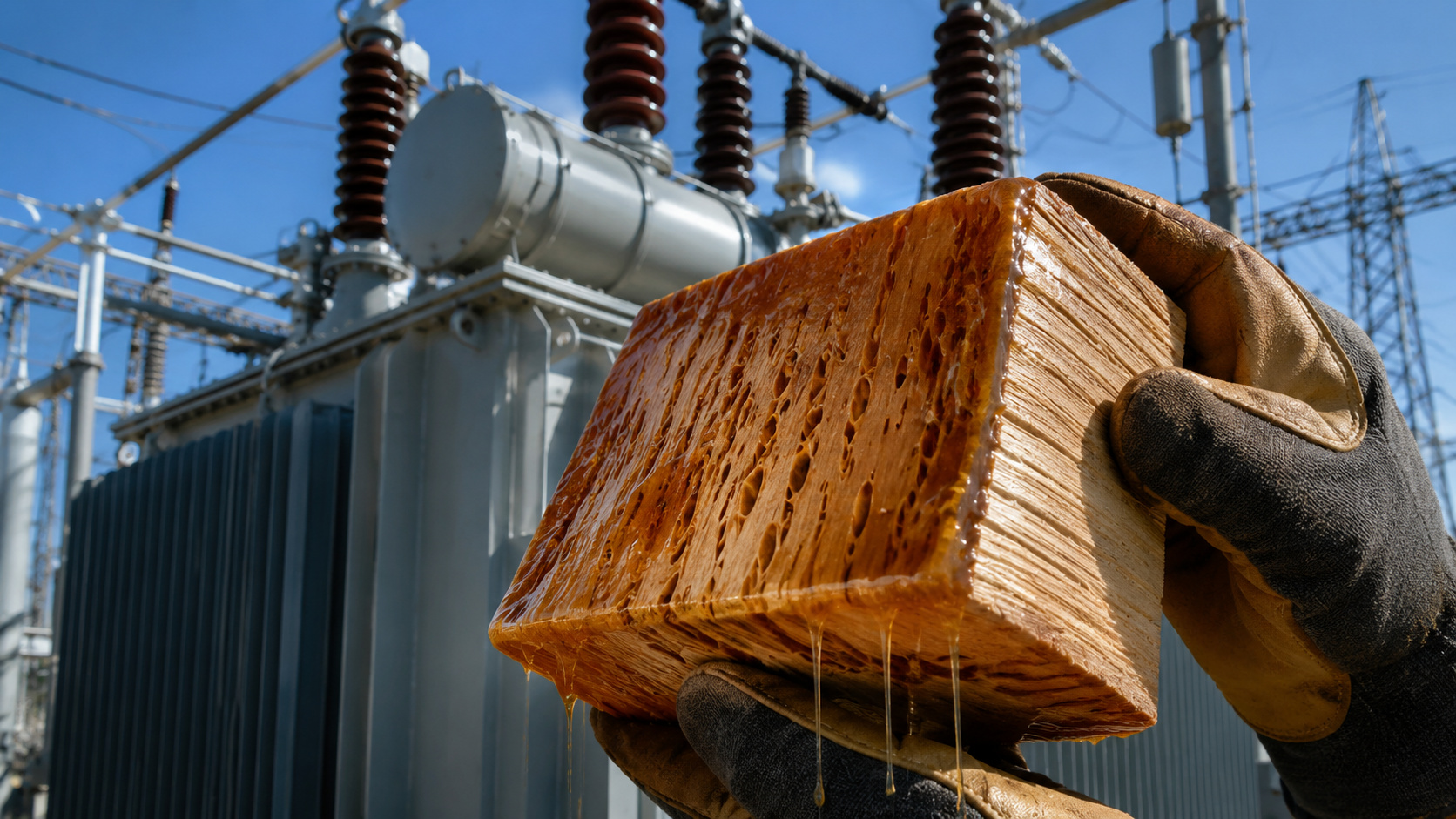
Wood has ceased to be just a construction material in Yale research and has become insulation for electrical transformers that face intense heat, aging, and increasing pressure from the renewable energy-powered grid.
-
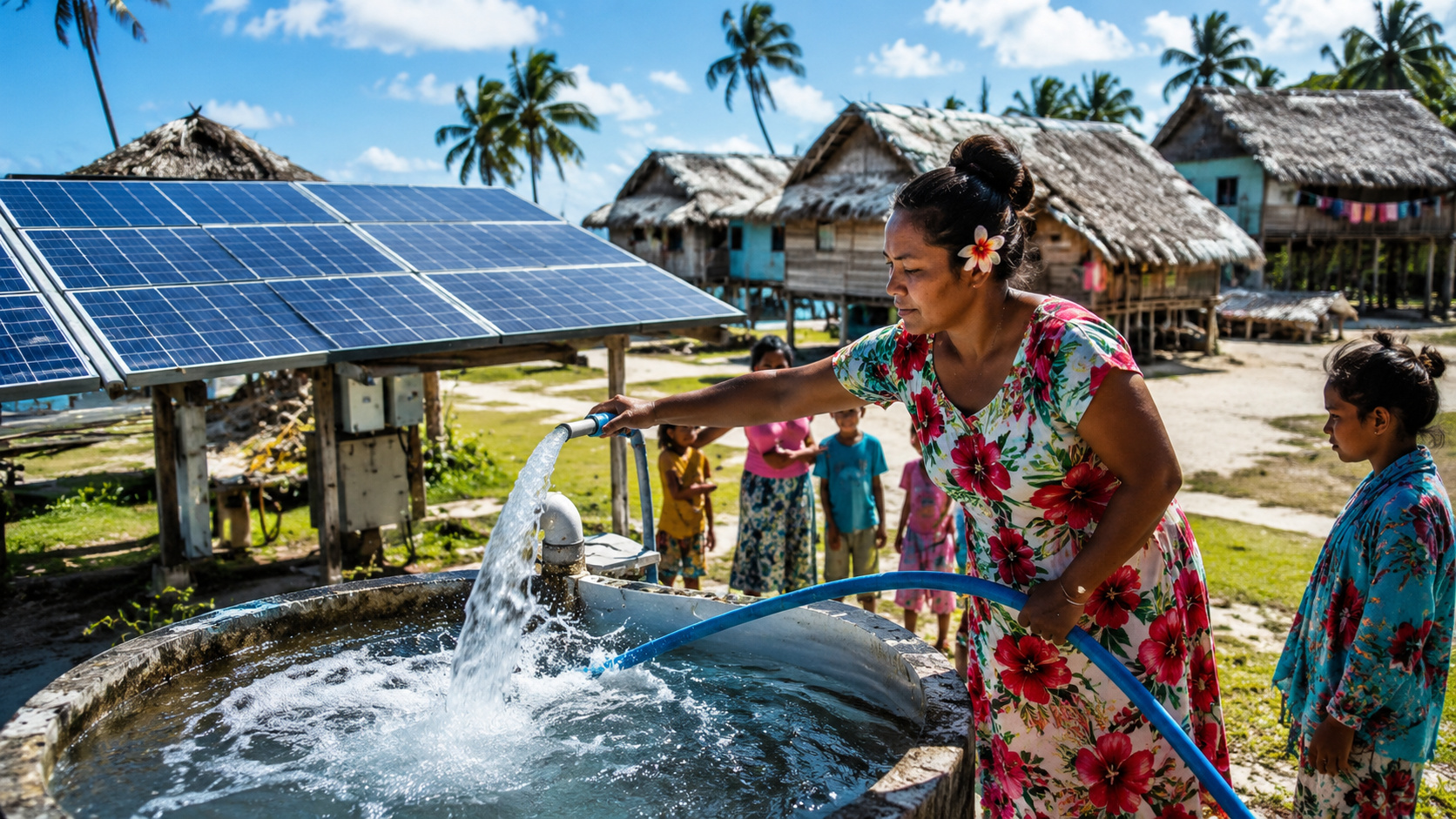
More than 1,000 residents of a remote island in Kiribati now have clean water and electricity with solar systems operated by the community itself.
-
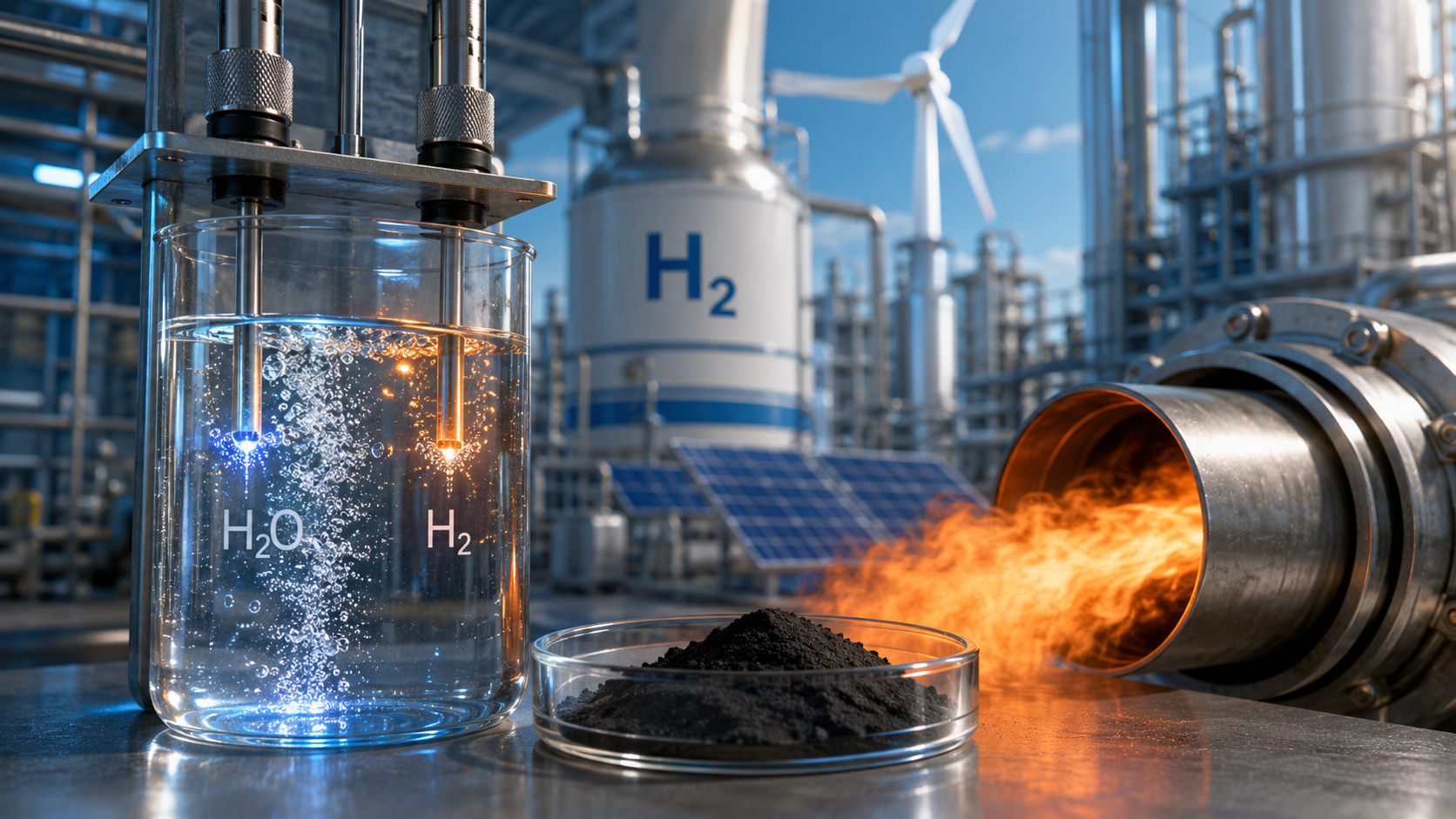
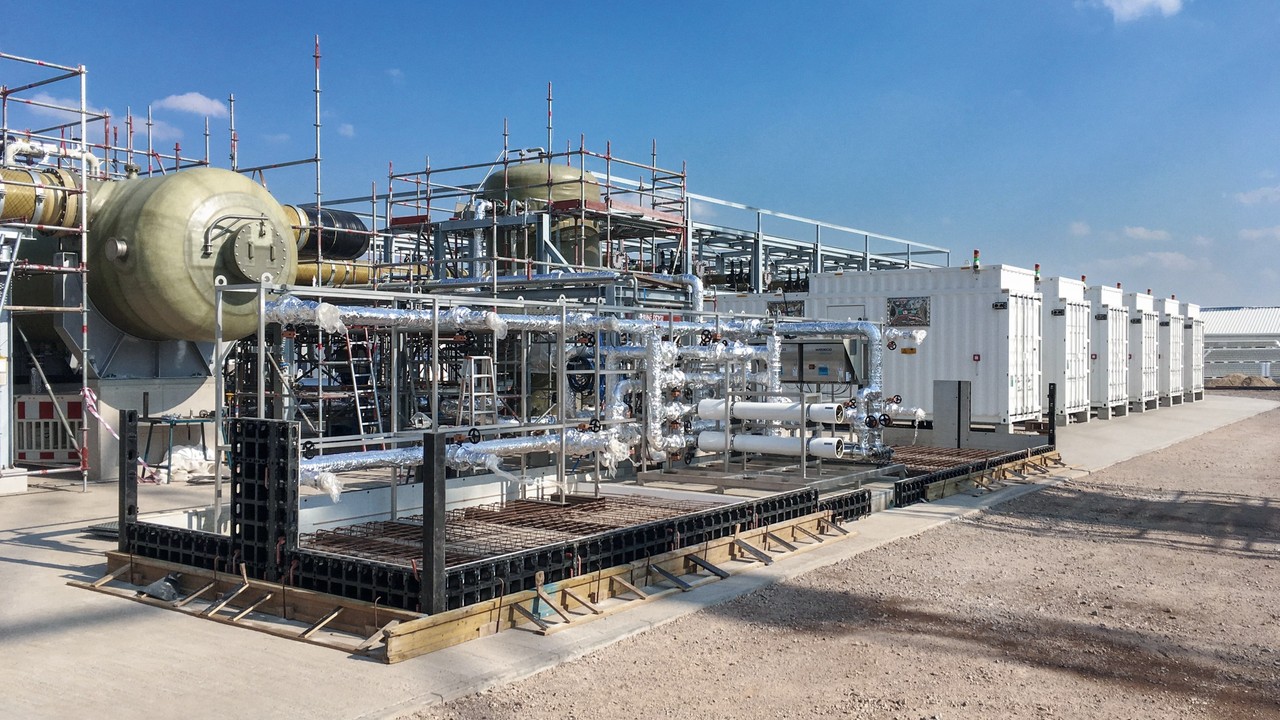
Ceará brings together 7 giants and R$ 66 billion to transform Pecém into the largest green hydrogen hub in Brazil, with final decisions expected by the end of 2026.


On the contrary, the country achieved this level through a historical process that combines favorable natural conditions, strategic political decisions, and continuous investments in energy generation.
Thus, by analyzing the trajectory of the Brazilian energy matrix, it becomes possible to understand how Brazil consolidated renewable sources as the foundation of its energy system.
As a consequence, the country reduced its external dependency over time. Since the early 20th century, energy has played a central role in Brazil’s economic development.
During that period, the energy matrix heavily relied on firewood and charcoal. These sources were mainly used in industrial activities and for rail transport.
With the advancement of industrialization and urbanization, especially from the 1930s onwards, energy consumption grew rapidly.
This led to a demand for more stable sources capable of meeting the increasing needs of cities and industry.
The Consolidation of Hydroelectric Energy in Brazil
In this scenario, hydroelectric energy gained prominence. Due to the abundance of flowing rivers and a favorable landscape, the country was able to build large hydroelectric plants.
These structures, in turn, began to provide electricity to urban centers and industrial hubs. Over the following decades, therefore, hydroelectricity consolidated itself as the main source of the Brazilian energy matrix.
With this, the country became reliant on renewable, reliable, and cost-competitive energy. Besides driving economic growth, hydroelectric plants also helped integrate the national territory.
This way, they brought electricity to previously isolated regions. At the same time, they stimulated regional development. However, despite these benefits, the strong reliance on hydroelectric generation brought challenges.
These challenges became more evident during prolonged drought periods. In such situations, the reservoirs reach critical levels.
Thus, the energy system requires greater planning and management. In light of this reality, Brazil gradually began to diversify its energy matrix.
Accordingly, from the late 20th century and especially in the early 21st century, the country expanded the use of other renewable sources.
Among them, wind energy, solar energy, and biomass stand out. As a result, the Brazilian electrical system became less vulnerable and more balanced.
The Role of Biofuels in the Brazilian Energy Matrix
Biomass had already integrated the Brazilian energy history since the creation of the National Alcohol Program (Proálcool) in the 1970s.
In that context, the government launched the program as a response to international oil crises.
Consequently, it encouraged the production of ethanol from sugarcane as an alternative to imported fossil fuels.
Over time, therefore, ethanol established itself as one of the pillars of the Brazilian energy matrix. This prominence is even more evident in the transportation sector.
Moreover, the introduction of flex fuel vehicles further increased ethanol consumption. This happened because consumers gained the freedom to choose the most advantageous fuel.
This model strengthened the biofuels market. At the same time, it contributed to the reduction of greenhouse gas emissions.
In addition to ethanol, biodiesel also gained space in the national matrix. The mandatory addition of biodiesel to fossil diesel stimulated agricultural production. Additionally, it generated jobs and, above all, reinforced the country’s energy security.
Thus, these initiatives expanded the participation of renewable sources. As a consequence, they consolidated the Brazilian energy matrix as one of the cleanest in the world.
The Expansion of Wind and Solar Energy
Another significant advance in the Brazilian energy matrix occurred with the expansion of wind energy. In this case, the country took advantage of the consistent and predictable winds, especially in the Northeast and South regions.
From this, it began to invest consistently in this type of generation. Within a few years, therefore, wind energy ceased to play a secondary role. Thus, it became one of the main contributors to the growth of renewable sources.
Solar energy, in turn, gained traction more recently. With the reduction in the costs of photovoltaic panels and, moreover, with greater access to credit, this source expanded rapidly.
This way, homes, businesses, industries, and agricultural properties began to produce their own energy.
As a result, they reduced expenses and, consequently, increased their energy autonomy. This movement, therefore, promoted the decentralization of energy production.
At the same time, it stimulated technological innovation. Furthermore, it further strengthened the sustainable profile of the Brazilian energy matrix.
International Comparison and Gains in Energy Efficiency
When comparing Brazil to the rest of the world, the differential of the Brazilian energy matrix becomes even more evident.
While the global energy matrix remains heavily dependent on non-renewable sources, Brazil maintains about 50% of its energy from renewable sources.
This figure, therefore, is almost four times higher than the global average. However, this performance does not depend solely on the availability of clean sources.
It also results from advancements in energy efficiency. Over the past decades, public policies and structured programs have encouraged the rational use of energy.
Additionally, they stimulated the modernization of equipment. Notably, they promoted the adoption of more efficient technologies in the industrial, commercial, and residential sectors.
As a consequence, the country managed to expand its economy without increasing energy consumption proportionately.
Thus, the Brazilian energy matrix encompasses all forms of energy used in the country. It is not limited only to electricity generation. This reinforces its strategic importance.
Future Perspectives for the Brazilian Energy Matrix
The future of the Brazilian energy matrix tends, therefore, to further reinforce its renewable profile. The country will continue to prioritize clean, secure, and affordable energy sources.
This movement will be driven by both environmental commitments and the need to reduce carbon emissions.
Technologies such as biomethane, low-carbon hydrogen, and advanced energy storage systems are expected to progressively enhance the diversification of the matrix.
At the same time, it will be essential to maintain investments in research, innovation, and infrastructure. These factors will ensure security and reliability in energy supply.
In summary, the Brazilian energy matrix results from a historical construct based on the appreciation of renewable sources.
Thus, the fact that 50% of the energy consumed in the country comes from renewable origins represents more than a mere statistical figure.
This number reflects, above all, a solid, sustainable energy model prepared for the future. In this way, Brazil establishes itself as a global reference in energy transition.