






 Portuguese
  Spanish
  3 min of reading
  0 comments


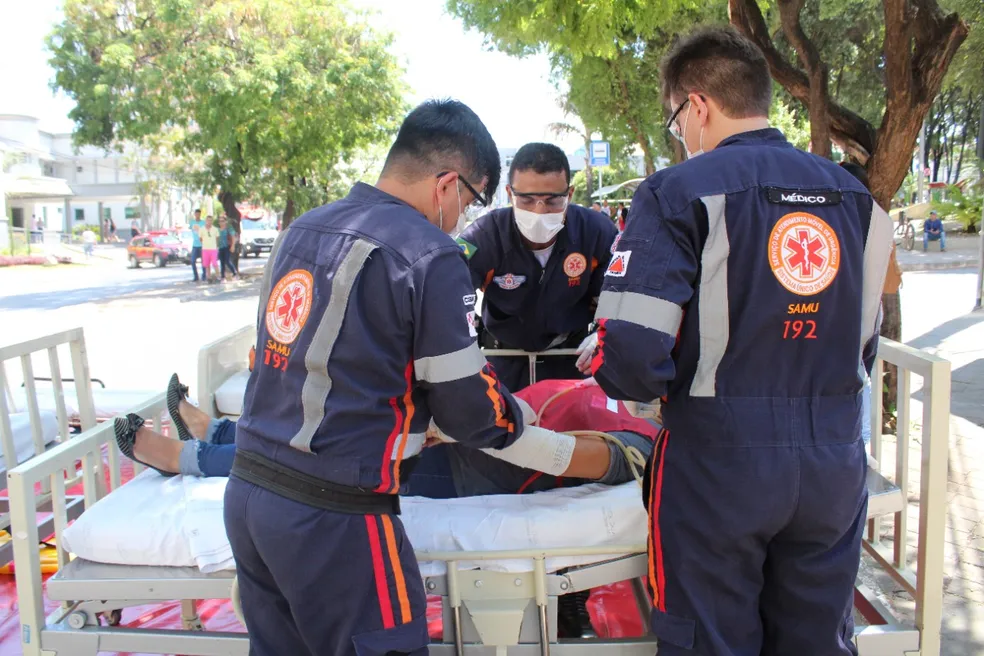
Understand The Crucial Role Of The Regulatory Physician In The SAMU
In the complex and dynamic scenario of emergency medicine, the role of the Regulatory Physician in the SAMU (Mobile Emergency Care Service) represents one of the essential pillars for the effectiveness of care in critical health situations, so much so that there is a public competition open at this moment to recruit this professional.
This professional plays a role that goes beyond direct clinical care, acting as a true conductor of medical logistics in emergencies. Understanding the importance and challenges of this role not only clarifies the complexity of urgent care but also highlights the meticulous work done behind the scenes of the SAMU.
Get To Know The Routine Of A Medical Student In SAMU
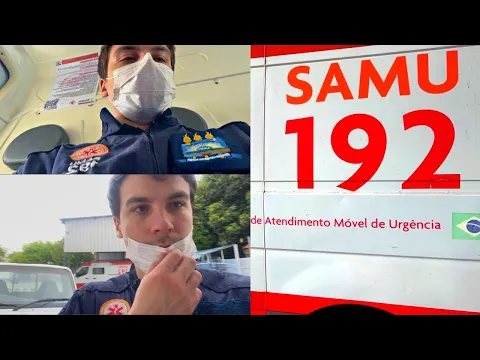

What Does A Regulatory Physician Do In The SAMU?
The Regulatory Physician is responsible for evaluating and responding to emergency calls received by the SAMU. Through a careful analysis of the reported symptoms and the patient’s condition, this physician makes critical decisions about the type of assistance needed and the urgency of the care. They determine whether an ambulance should be sent to the location, whether the patient can be assisted through phone guidance, or whether they should seek another form of medical assistance.
-
Internship vacancies in 2026: New selection process by ArcelorMittal Tubarão offers scholarships of up to R$ 1,100 for interns and reinforces investments in talent development for the industry, connecting education, technology, and professional development on a large scale.

-
2,653 job vacancies through Sine-RO, with 419 new opportunities this week, 81 openings for apprentices, and Ji-Paraná leading the list of hires in Rondônia
-
46 job openings are available with salaries up to R$ 2,500, benefits such as meal vouchers, medical assistance, and opportunities with no experience required in Cajamar.
-
642 job openings this Wednesday: candidates need to bring original documents, resume, vaccination certificate, and pay attention to the entry rules at the posts in Manaus.


Training And Challenges
To assume the position of Regulatory Physician in the SAMU, one needs not only a solid medical education but also specializations in areas such as emergency medicine or intensive care. In addition to extensive clinical experience, these professionals undergo specific training focused on medical regulation, which involves communication skills, rapid decision-making, and emergency resource management.
Pressure is a constant in the daily life of the Regulatory Physician, who must maintain calm and accuracy under the weight of decisions that can affect lives. The challenge is amplified by the need to make quick judgments based, often, on limited information or a constantly changing scenario.
Technology And Innovation In The Work Of The Regulatory Physician
Technology plays a fundamental role in the routine of the Regulatory Physician in the SAMU. Modern communication and information systems allow these professionals to receive real-time data, including location via GPS, traffic information, and even details about available nearby hospital resources. These tools are crucial for optimizing care logistics and ensuring the necessary agility.
Social Impact And Importance
The impact of the work of the Regulatory Physician goes beyond technical and operational aspects. This professional has a direct influence on the quality and efficiency of the service provided by the SAMU, significantly contributing to the reduction of mortality and morbidity in emergencies. Their work ensures that the healthcare system responds effectively and in a coordinated manner, maximizing available resources to better serve the community.
The Regulatory Physician in the SAMU is a key figure in the emergency healthcare system, a specialist who not only makes medical judgments but also coordinates the critical first steps in treating patients in urgent situations. Through a combination of medical expertise, management skills, and strategic use of technology, these professionals ensure that the SAMU can fulfill its vital role in society, saving lives and providing immediate medical care where and when it is most needed.







-

1 person reacted to this.