






 Portuguese
  Spanish
 3 min of reading
  0 comments


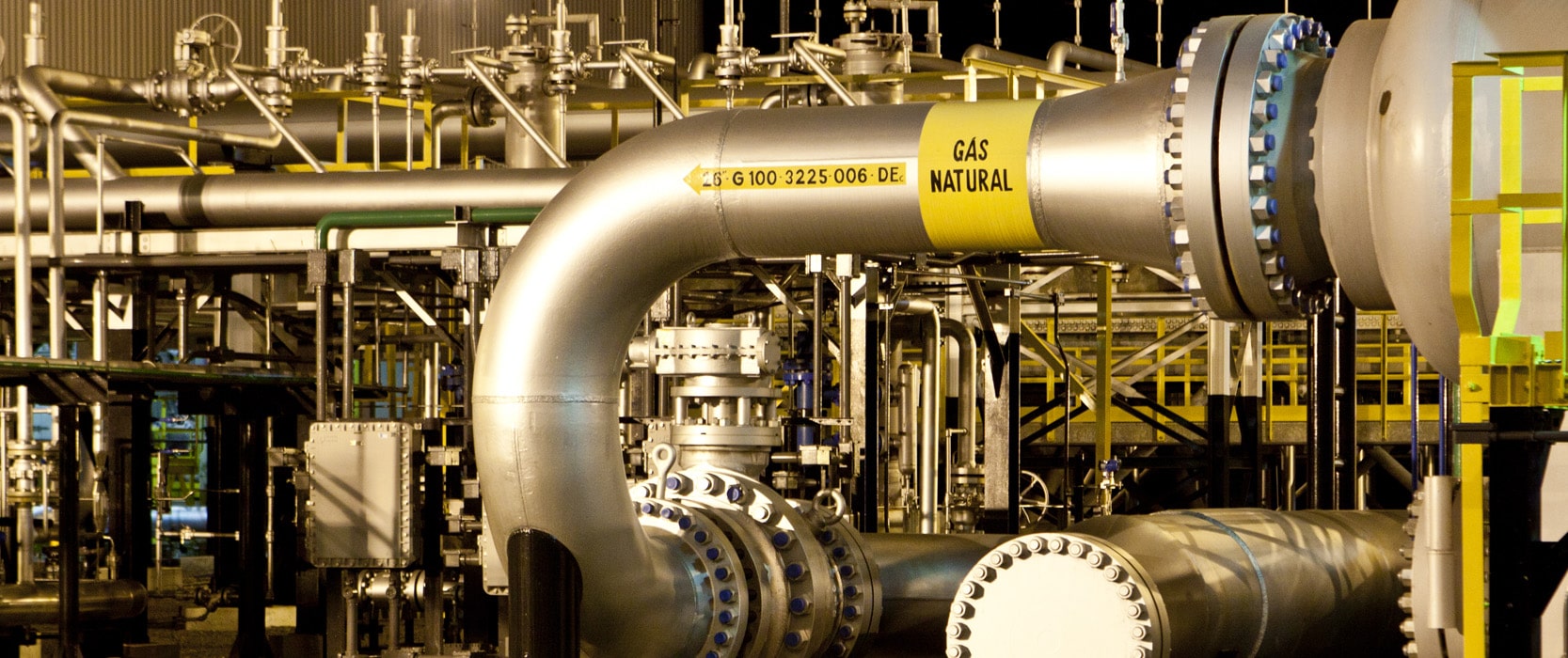


Bringing Natural Gas To Boost Local Production And Attract New Investments. Learn More About The Mega Gas Pipeline Of Uberaba.
A new energy and industrial era is shaping up in Triângulo Mineiro with the imminent construction of a mega gas pipeline that promises to transform the economic landscape of Uberaba and the surrounding area.
With a planned length of 300 km, the expectation is that the project will be completed by 2030.
This strategic enterprise is seen as a game changer for the industry and sustainable development.
-
Oil production grows in Rio, but reserve replacement raises a warning sign

-
Petrobras is expected to complete the drilling of the Morpho well in the Foz do Amazonas in August 2026, the first well in the Equatorial Margin, an oil frontier that the ANP estimates at more than 30 billion barrels and could redraw the map of Brazil.

-
Oil returns to the center of concerns with tension between the US and Iran

-
IEA reduces forecast for global oil demand in 2026 after impacts of the Middle East crisis


The Construction Of The Pipeline: Details And Strategic Route
The construction of the pipeline between Iacanga (SP)-Uberaba (MG) represents a significant milestone.
The responsibility for this large-scale project lies with TBG, already recognized for its experience in gas infrastructure in the country.
With 300 kilometers of extension to reach Uberaba, the gas pipeline will start in the interior of São Paulo, crossing landscapes to its final destination in Minas Gerais.
The arrival of gas in Uberaba will be at Industrial District 3, an area that will undergo requalification to become the Gas-Chemical Biofuel District.
This designation is not random; it reflects the potential for synergy between natural gas, the chemical industry, and biofuel production in the region, creating a hub of innovation and development technology.
Economic Potential And Expected Benefits
The arrival of natural gas via the pipeline is highly anticipated by the local industry.
The outlook is to meet the demand of a fertilizer factory and chemical industries with a production potential of 6 million cubic meters per day.
This substantial volume of gas is crucial for the operation of large industrial complexes that rely on a continuous and abundant energy source for their activities.
In addition to boosting existing production, the availability of natural gas is expected to attract new companies to Uberaba and its surroundings, particularly those in sectors that are heavily dependent on this input.
This means more jobs, increased tax revenue, and a boost to the regional economy.
Access to a cleaner and more efficient energy matrix may also position the region at the forefront of industrial sustainability.
Investment And Future Prospects
A project of this magnitude requires considerable investment.
The Energy Research Company (EPE) estimates the Iacanga-Uberaba gas pipeline at R$ 2.9 billion.
This figure reflects the complexity of the project, which involves advanced engineering, environmental licensing, and the installation of robust infrastructure to ensure the safety and efficiency of gas transportation.
The completion of the Uberaba gas pipeline, which should extend 300 km and be ready by 2030, is not just a matter of engineering; it is a vision for the future.
It solidifies Uberaba’s position as a strategic industrial hub, opening doors for the development of complex production chains and the attraction of capital and technology.
The expectation is that this pipeline will not only bring gas but also drive a wave of progress and innovation across the entire Triângulo Mineiro.








Se depender da extração perdulária que se prática no país este gasoduto ficará cheio com gás natural importado.