






 Portuguese
  Spanish


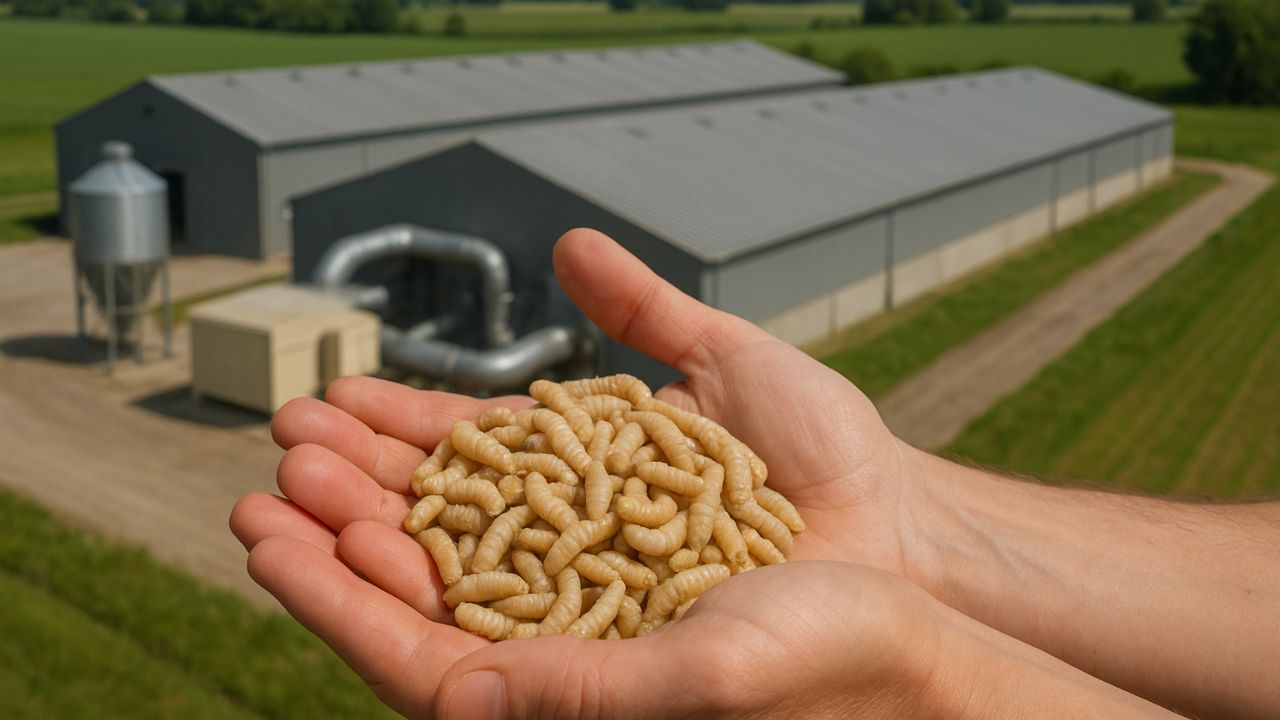


In France, A Mega Farm Uses 10 Billion Larvae to Transform Waste into Animal Feed: Discover How This Innovative Model Can Change Sustainable Protein Production.
In northern France, the French company Innovafeed has inaugurated a mega farm capable of producing around 10 billion black soldier fly larvae per day, to transform waste from agriculture into animal feed, insect oil, and organic fertilizer.
The project, located in Nesle, aims to simultaneously tackle waste disposal and reliance on conventional ingredients like soy and fish meal.
The leaders claim that the model should support more sustainable food chains and offer an innovative alternative for the agriculture.
-
India’s Sugar Export Cuts and Ethanol Shift Amid El Niño Threat Could Impact Global Prices and Stocks

-
Quarantine Pest Threatening Palm Trees Puts Brazilian Authorities on Alert, Prompts Monitoring at University of Taubaté and Potential Control Measures Across São Paulo
-
Global Alert: Report Finds 159 Pesticides in Coffee Beans Sold in Europe, Posing Serious Risks to Millions of Farm Workers
-
Low-Demand Brazilian Beef Offal Gains Popularity Abroad: Indonesia Purchases $19.5 Million, Boosting Revenue and Reducing Waste



Operational Model of the Mega Farm
At the Innovafeed facility, the mega farm operates in an industrial area where food waste and agro-industrial byproducts are used as feed for the Hermetia illucens larvae — known for its high biological conversion rate: in about 14 days, each larva can grow up to 10,000 times its initial size.
These larvae, fed with the waste organic matter, generate three main products:
- Protein powder for use in animal feed;
- Insect oil for feed formulations;
- Organic fertilizer, completing the circular economy cycle.
With 10 billion larvae, the mega farm model increases waste utilization and reduces the need for new agricultural areas to produce traditionally used animal feed inputs.
French Project Transforms 10 Billion Larvae into a Weapon Against Waste and Soy Dependency in Agriculture
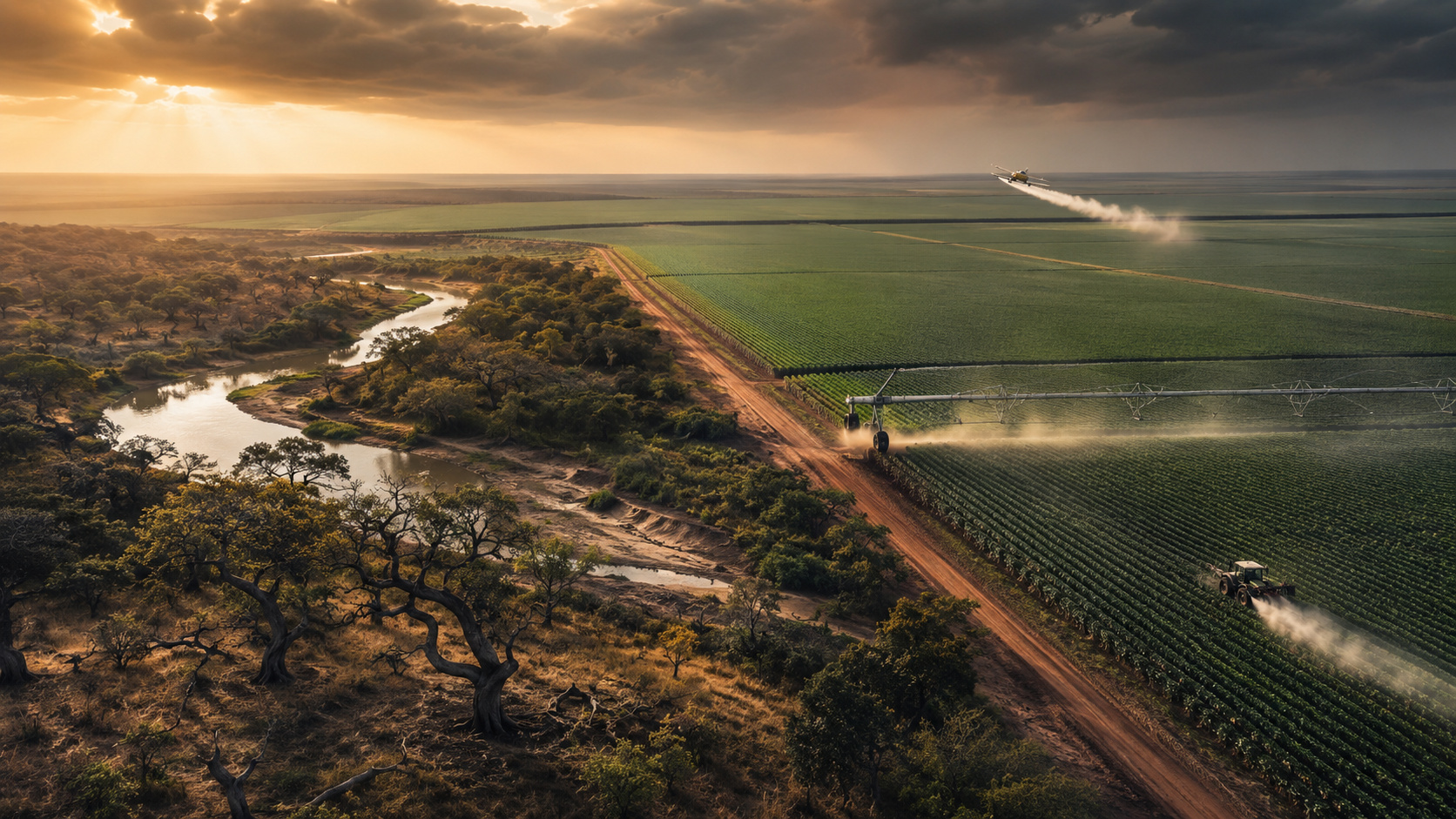
The mega farm is set within a context where the agriculture sector faces two major challenges: massive food and waste disposal, and reliance on inputs like soy and fish meal — which have a significant environmental impact (deforestation, overfishing).
Furthermore, the production of larvae from waste requires less water, less cultivated land, and generates fewer greenhouse gases than traditional proteins.
Thus, using larvae to produce animal feed could become a crucial component for more sustainable and efficient food systems.
Challenges and Barriers to Expansion
Although the Innovafeed project is ambitious, it still faces barriers to becoming fully viable on a global scale.
First, the technological costs to keep the process automated, safe, and economical remain high.
Second, there are regulatory milestones that vary between countries and do not yet widely recognize insect protein as an input for animal feed.
Third, there is some resistance from traditional feed buyers who may hesitate to adopt new raw materials in the short term.
In summary, the concept of a mega farm of larvae to transform waste into animal feed has enormous potential, but its mass adoption depends on regulatory, economic adaptation and market acceptance.
Expected Impacts on Agriculture
If consolidated, the model could generate at least three relevant impacts:
- Reduction of soy and fish meal use in feeds, relieving pressure on forests and oceans.
- Transformation of agro-industrial and organic waste (the “waste”) into high value-added products.
- Acceleration of building circular economy chains in the animal sector, with environmental and efficiency gains.
Innovafeed projects to produce more than 10 thousand tons of protein annually from the operation.
Additionally, global companies like ADM and Cargill have partnered with Innovafeed to bring the model to North America, indicating a trend towards international scaling.
What Does This Represent for Brazil?
Although the project is in France, Brazil, as one of the largest global players in agriculture, can observe and even adapt this model.
The partial replacement of conventional inputs with larvae protein could offer alternatives to environmental challenges associated with soy and reduce vulnerabilities in the animal feed supply chain.
Moreover, converting agro-industrial “waste” into animal feed appears as an opportunity to bring new value to waste that is often discarded today.
The mega farm in France that uses 10 billion larvae to transform waste into animal feed represents a turning point in sustainable agriculture.
With information from Compre Rural.









A matéria diz que o sistema é inovador, mas na China este sistema é corriqueiro. Kkkkkkk