Portuguese
  Spanish


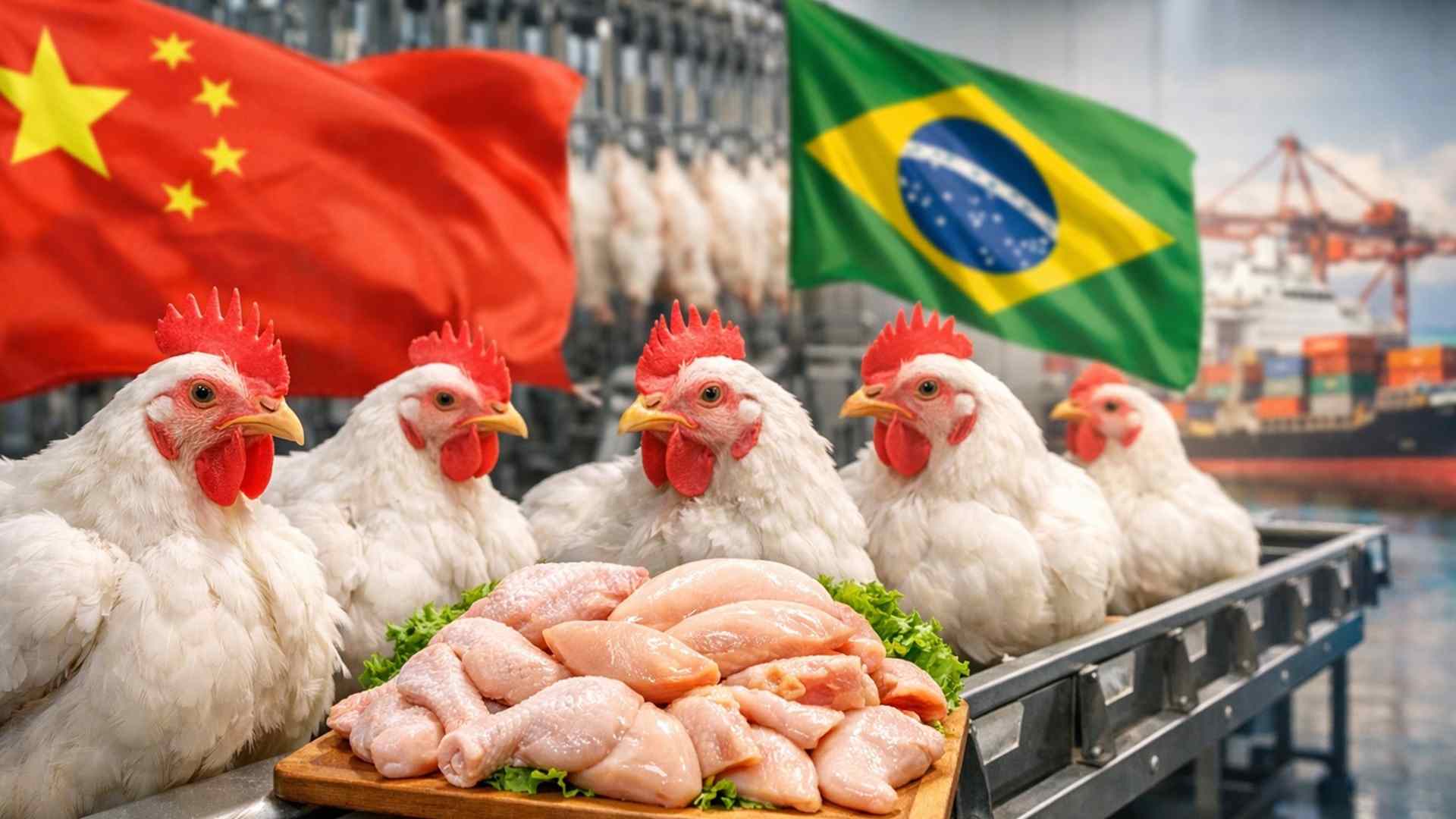


The Decision of the Chinese Authorities Ends a Blockade Initiated in 2024 for Sanitary Reasons, Restoring Rio Grande do Sul’s Access to a Market That Accounted for Almost 6% of Chicken Exports and Projects Direct Impact on Exports, Revenue, and Trade Flow in the Poultry Sector
Eight meat processing plants in Rio Grande do Sul have been authorized to resume chicken exports to China after the General Administration of Customs of China lifted the restriction on January 20, a measure that had halted sales since 2024 and impacted state shipments and sector revenue.
Decision Ends Sanitary Restriction Adopted in 2024
The release occurred after the suspension of the blockade imposed in 2024, when Newcastle disease was detected in the Anta Gorda region.
The viral disease affects birds and interferes with international trade, leading to a temporary halt in exports from Rio Grande do Sul to the Chinese market.
-
India’s Sugar Export Cuts and Ethanol Shift Amid El Niño Threat Could Impact Global Prices and Stocks

-
Quarantine Pest Threatening Palm Trees Puts Brazilian Authorities on Alert, Prompts Monitoring at University of Taubaté and Potential Control Measures Across São Paulo
-
Global Alert: Report Finds 159 Pesticides in Coffee Beans Sold in Europe, Posing Serious Risks to Millions of Farm Workers
-
Low-Demand Brazilian Beef Offal Gains Popularity Abroad: Indonesia Purchases $19.5 Million, Boosting Revenue and Reducing Waste

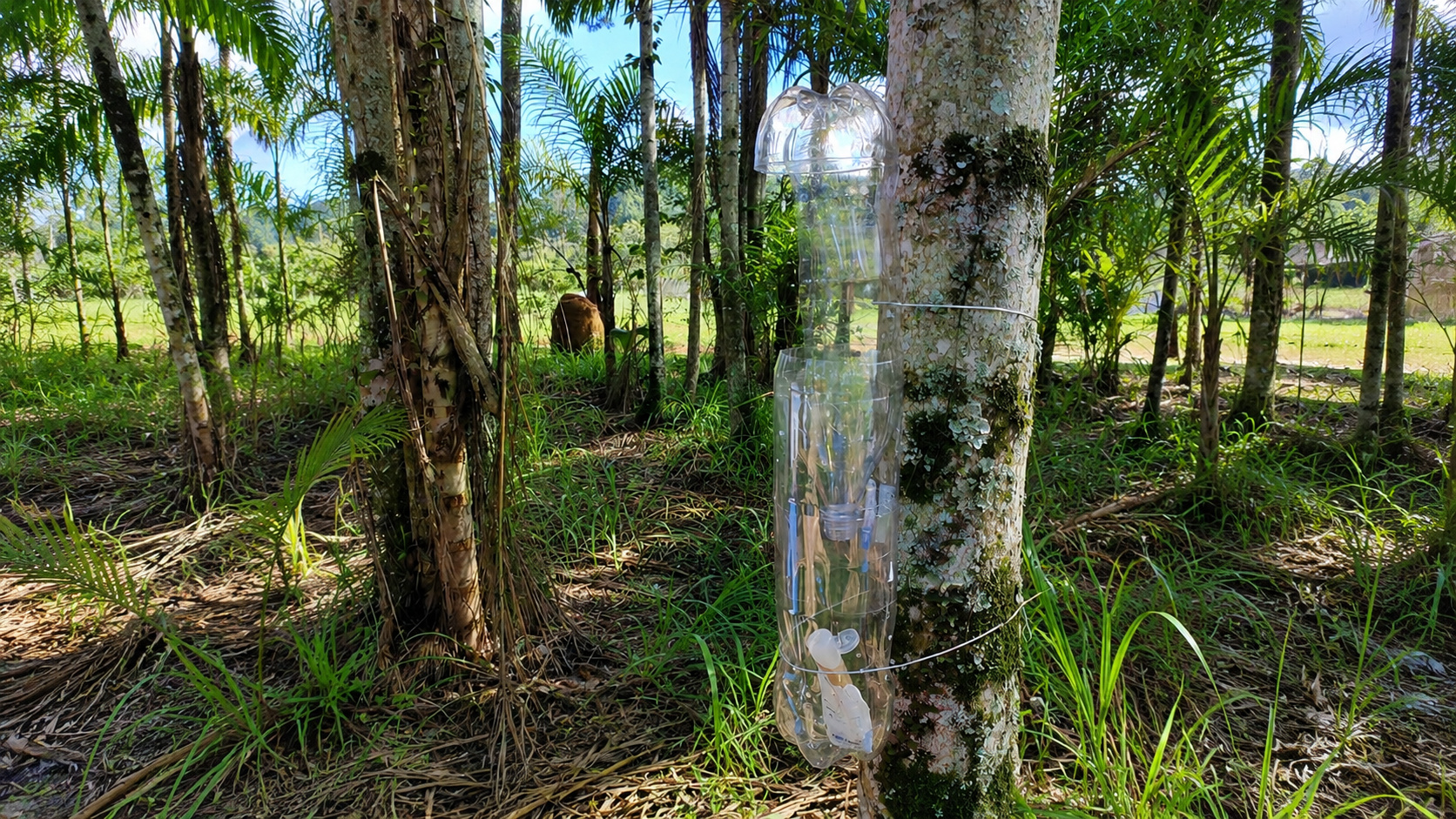


The resumption again authorizes the shipment of poultry products from the state to China, restoring a trade flow deemed significant for the local production chain and the performance of Brazilian chicken exports.
Industries Authorized to Export Chicken to the Chinese Market
Among the authorized companies are BRF S.A., from Marau (SIF 2014), JBS Aves Ltda, from Montenegro (SIF 2032), JBS Aves Ltda, from Passo Fundo (SIF 922), and Agrosul Agroavícola Indústrial S/A, from São Sebastião do Caí (SIF 4017).
Also reauthorized were Companhia Minuano de Alimentos, from Lajeado (SIF 1661), Cooperativa Central Aurora Alimentos, from Erechim (SIF 68), BRF S.A., from Serafina Corrêa (SIF 103), and Cooperativa Languiru Ltda, from Westfalia (SIF 730).
Impact of the Blockade on Exports from Rio Grande do Sul
The absence of the Chinese market directly affected state performance in 2024. The blockade contributed to a decrease of about 1% in chicken shipments from Rio Grande do Sul, reducing the Chinese share in external sales.
Before the suspension, China accounted for almost 6% of chicken exports from Rio Grande do Sul. Part of this share was compensated by sales to other countries, but without fully restoring the volume previously allocated to the Chinese market.
Projections for Brazil and Strategic Importance of the Chinese Market
In 2024, Brazil exported 561 thousand tons of chicken meat to China, with revenue of US$ 1.288 billion. With the reopening to Rio Grande do Sul, the expectation is a growth of about 10% in 2026.
According to the Gaúcha Association of Poultry Farming, China is strategic due to its volume and geopolitical and commercial relevance. The entity emphasized that biosecurity should remain an non-negotiable pillar, with active surveillance, traceability, and a rapid response to sanitary emergencies.