






 Portuguese
  Spanish


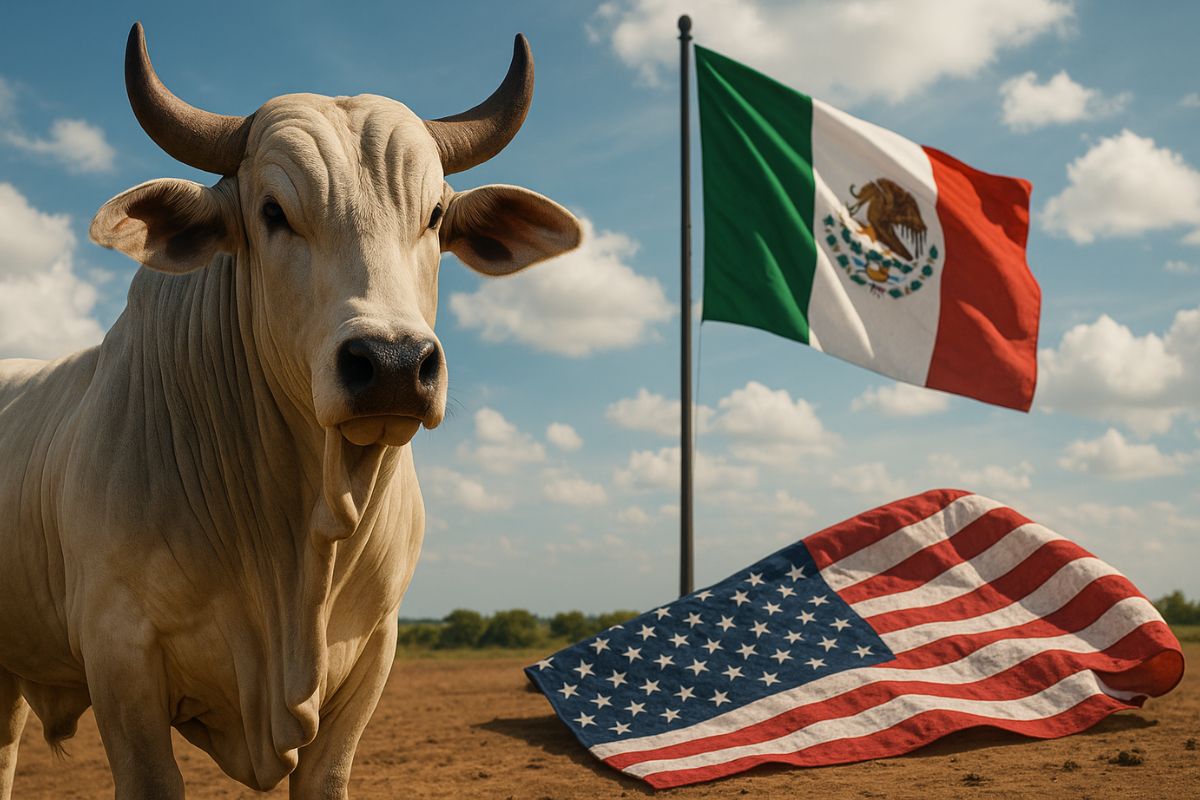

Mexico Takes The Place Of The U.S. And Becomes 2nd Largest Market For Brazilian Beef After Tariffs. After the tariffs imposed by Donald Trump, Mexico assumed the runner-up position among the destinations for Brazilian beef, behind only China, while the U.S. fell to fifth place.
The reconfiguration of Brazilian foreign trade gained a new chapter in August. According to data from the Brazilian Association of Meat Exporting Industries (Abiec), Mexico has become the second largest market for Brazilian beef, surpassing the United States after the application of U.S. tariffs.
The movement consolidates the importance of alternative markets for the national animal protein industry.
How Mexico Became The 2nd Largest Market
According to a survey published by Estadão, beef exports to Mexico have already exceeded 10,000 tons by August 25, placing the country in the runner-up position in the ranking. In the same period, the United States received only 7,800 tons, dropping to fifth place, behind China, Mexico, Russia, and Chile.
-
Brazil’s 2026 Tax Refund: Record 9.58 Million Filers in Largest Payout Ever, But a Key Detail on Priority Recipients Draws Nationwide Attention

-
Itaú Alters Hybrid Work Model, Increasing Office Days from 2028, Prompting Employees to Adjust to New Routine
-
Facing Labor Shortage, Japan Plans to Invest $34 Million to Attract Foreign Workers in Construction, Healthcare, Industry, and Commerce

-
Brazilian City Makes Remarkable Leap, Becomes 4th Wealthiest in the Country with GDP of R$ 134.1 Billion



The president of Abiec, Roberto Perosa, highlighted that Mexico is now “the ball of the moment” for the sector and could consolidate itself as a strategic partner in the medium term. In addition to the direct effect of the tariffs, Mexican interest was driven by the need for internal supply and the openness to new suppliers.
Impacts Of Trump’s Tariffs
The additional 50% tariffs imposed by the Donald Trump administration drastically reduced the competitiveness of Brazilian beef in the American market. What was once the second main destination for national exports has now fallen to fifth place, impacting companies and producers that depended on trade flow with the U.S.
This change forced Brazil to accelerate negotiations on other fronts. The search for diversification was already strategic, but it gained urgency in light of the loss of market share in the United States.
Sector Demands And Ongoing Negotiations
During an official visit to Mexico, representatives of the Brazilian government and industry businesspeople presented three priority points:
- Negotiation of a free trade agreement that could eliminate tariff barriers;
- Renewal of the Anti-Inflation and Scarcity Package (Pacic), which exempts essential products for the Mexican basic food basket from tariffs;
- Expansion of the number of Brazilian slaughterhouses authorized to export beef to the Mexican market.
These measures are seen as essential to consolidate Mexico as the second largest market for Brazilian beef and reduce dependence on unilateral decisions from partners like the United States.
The Future Of Brazilian Beef
China remains the main destination, with over 115,000 tons shipped just in August. However, Mexico’s repositioning reveals the importance of geographical diversification and more robust bilateral agreements.
In the medium term, experts believe that the increasing presence in the Mexican market could open doors to other North American countries and further strengthen Brazil’s position as a world leader in beef exports.
The fact that Mexico has become the second largest market for Brazilian beef after the American tariffs shows how geopolitical trade influences the agro-export sector directly.
Do you believe that Mexico will solidify as a strategic partner for Brazil in the meat sector? Or will the U.S. regain some ground in the future? Leave your opinion in the comments — we want to hear from those closely following this scenario.








