






 Portuguese
  Spanish
  2 min of reading
  0 comments


Operation Was Carried Out with Supply from Oilstone Energy and Expands Diversification in Brazilian Energy Supply
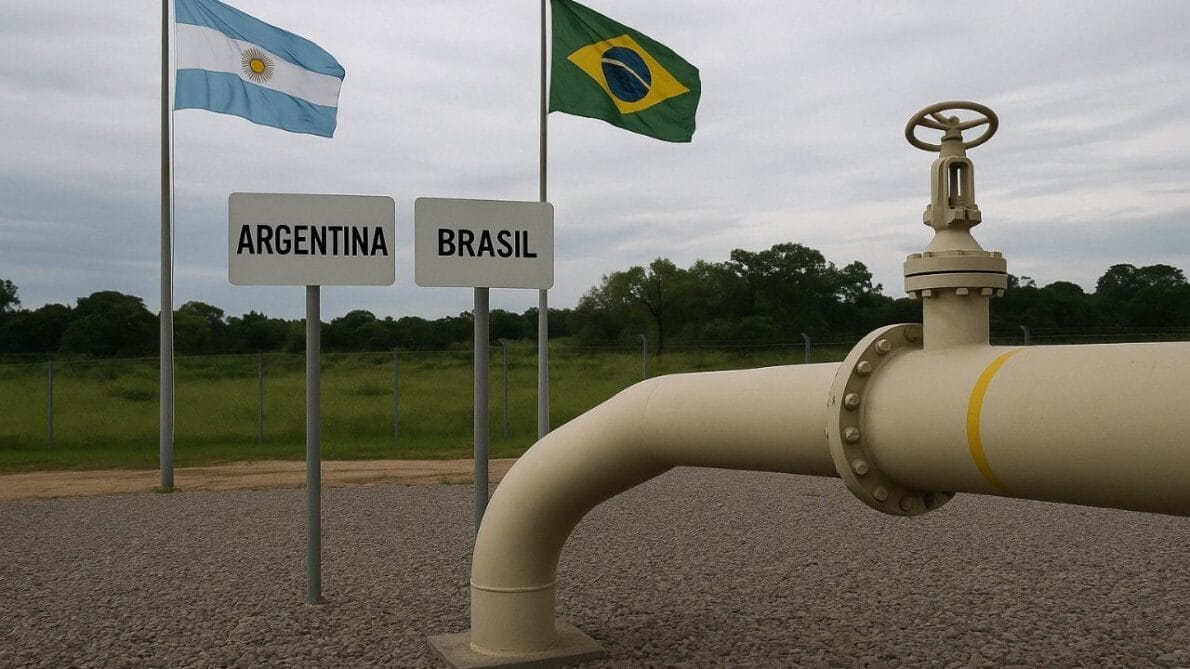
MGás, a company of the J&F group, completed its first test of importing natural gas from Argentina. The gas was supplied by the independent oil company Oilstone Energy, with authorization from the Argentine government, marking a step in diversifying the company’s supply portfolio.
First International Operation with Argentine Natural Gas
The import was carried out through an agreement with Oilstone Energy, which operates in the Neuquén Basin, the main gas producer in Argentina. The authorization allows MGás to import up to 500 thousand cubic meters of natural gas per day, on an interruptible basis, until the end of April 2025. According to Eixos, the gas can be delivered via two routes: through Bolivia or via Uruguaiana (RS), where Âmbar Energia, also part of the J&F group, operates the UTE Uruguaiana thermoelectric plant.
Diversification Strategy of the J&F Group
This operation is part of MGás’s strategy to expand and diversify its sources of natural gas supply. In addition to the partnership with Oilstone, the company already has authorizations for imports from Tecpetrol (also via Bolivia) and Total Austral (via Uruguaiana). This move aims to increase supply security and bring more competitiveness to the national market, in light of price fluctuations and historical dependence on Bolivian gas.
-
Oil production grows in Rio, but reserve replacement raises a warning sign

-
Petrobras is expected to complete the drilling of the Morpho well in the Foz do Amazonas in August 2026, the first well in the Equatorial Margin, an oil frontier that the ANP estimates at more than 30 billion barrels and could redraw the map of Brazil.

-
Oil returns to the center of concerns with tension between the US and Iran

-
IEA reduces forecast for global oil demand in 2026 after impacts of the Middle East crisis



Impact on the Brazilian Market with Natural Gas Import
MGás’s experience could pave the way for new initiatives to import natural gas from Argentina, a country that has been increasing its export capacity with the surpluses from the Vaca Muerta Basin. For Brazil, this represents a possibility to diversify routes and suppliers, which may benefit energy competitiveness in the medium term. The use of existing infrastructure, such as the UTE Uruguaiana plant, facilitates the technical viability of operations of this type.
Next Steps and Expectations
The test conducted by MGás could be expanded if the operational and economic results are positive. The movement reinforces the trend of greater energy integration among the Southern Cone countries and highlights the growing interest in the Argentine natural gas market. According to Eixos, diversification by private companies may contribute to a more open and resilient market in Brazil.






Be the first to react!