






 Portuguese
  Spanish
  3 min of reading
  0 comments


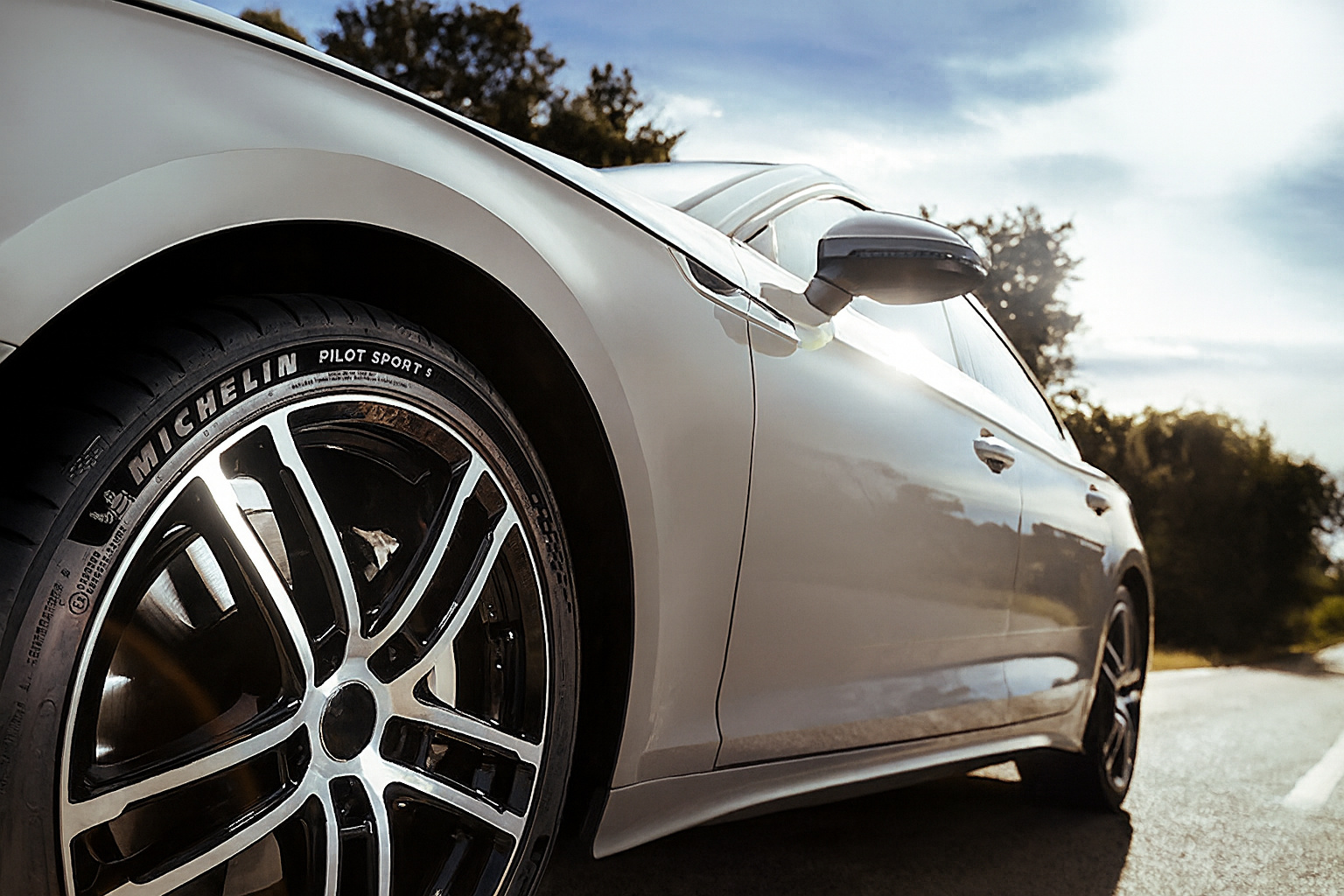
Investments in Sustainable Management, Local Income Generation and Technological Innovation Strengthen the Environmental Strategy of the French Multinational in Brazil
A long-term environmental strategy has been consolidated by Michelin in the Amazon region, with a direct focus on the origin of the raw material, the structuring of the latex chain, and the reduction of emissions associated with tire production. The initiative has gained momentum over the last few years and has begun to generate measurable economic impacts for extractivist communities, while also strengthening forest conservation practices.
The company’s activities take place through the Together for the Amazon program, which started five years ago and is focused on sustainable extraction of natural rubber. Since then, the French multinational has acquired more than 350 tons of native rubber, benefiting 13 community associations and creating a more organized and transparent productive base. This movement, therefore, repositions Amazonian rubber within a more responsible industrial logic.
Project Expansion Strengthens Management and Local Income
Recently, Michelin expanded this initiative by partnering with ASPAC, the Chico Mendes Memorial, and WWF, which allowed for the program’s reach to grow. With this expansion, more than 27 additional tons of rubber were purchased, directly impacting 91 extractivist producers and their families. As a result, the income generated exceeds R$ 3 million, strengthening local economies.
-
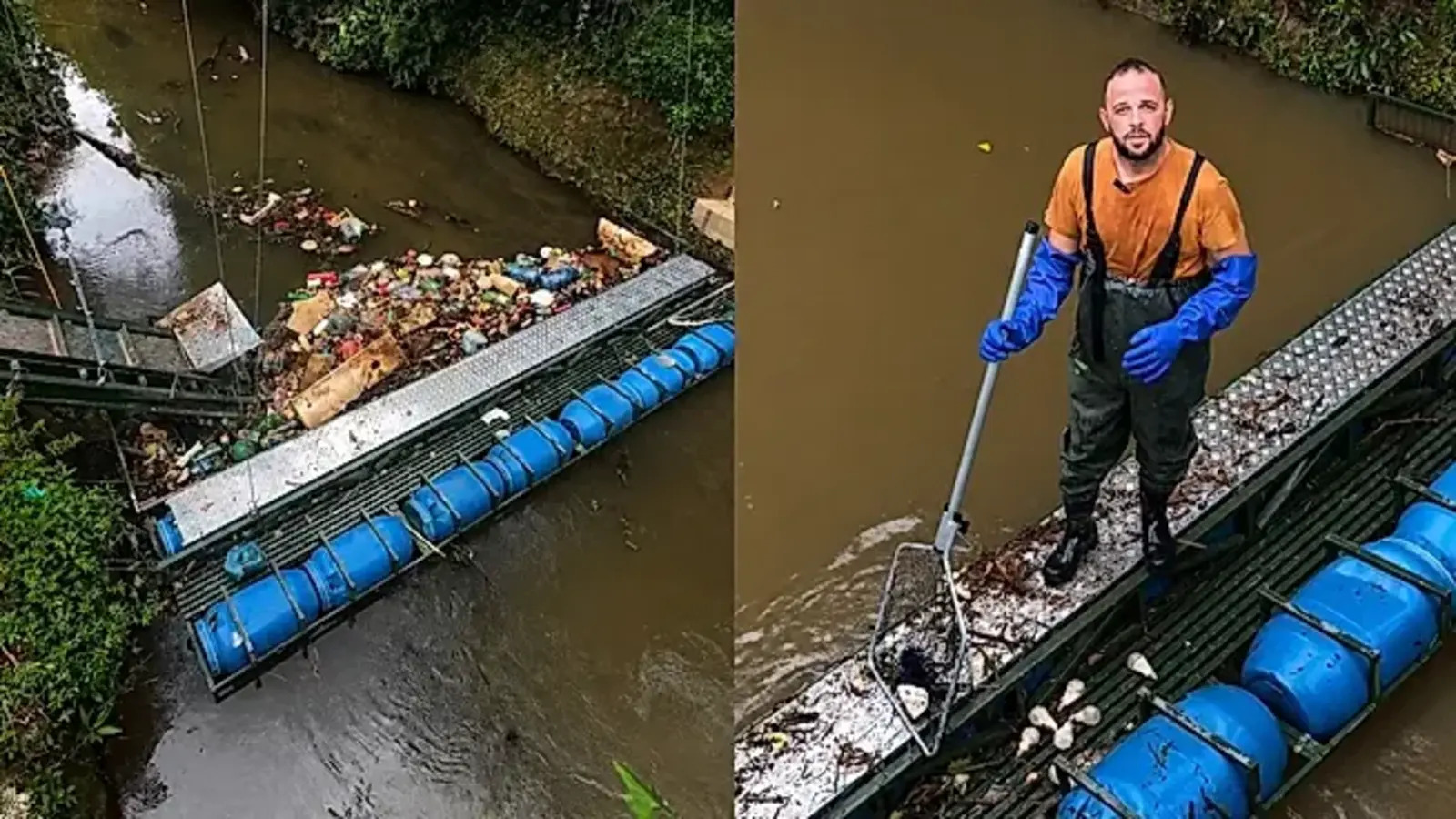
Brazilian promises his children to save a river, creates an eco-barrier in his backyard, has already removed more than 40 tons of trash from the water, and even inspires the idea in other states of the country.

-
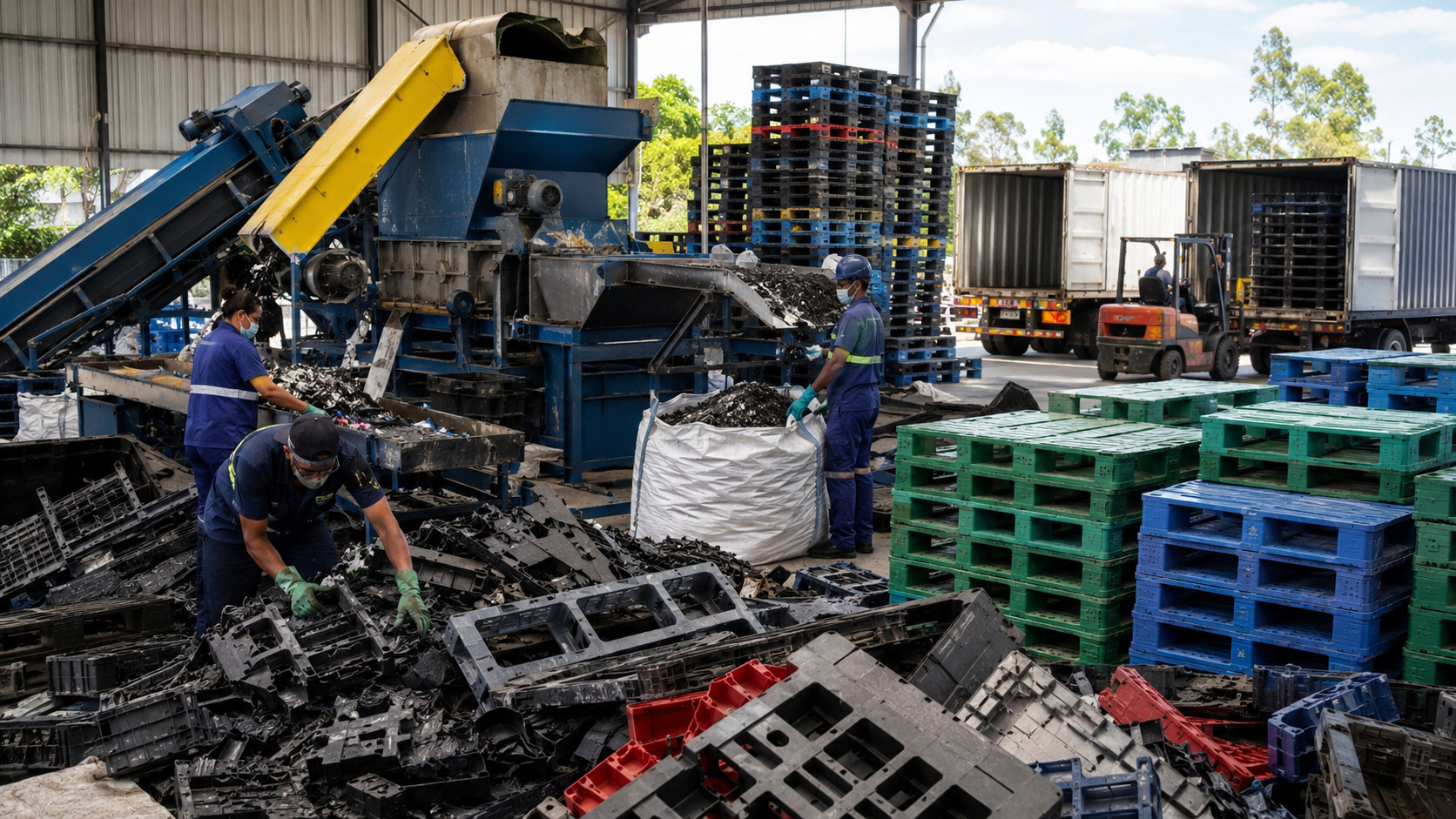
How a Brazilian company created a system that transforms broken pallets of any brand into new assets, recycles 80 tons of plastic per month, and found a profitable solution to a problem that challenges industries across the country.

-
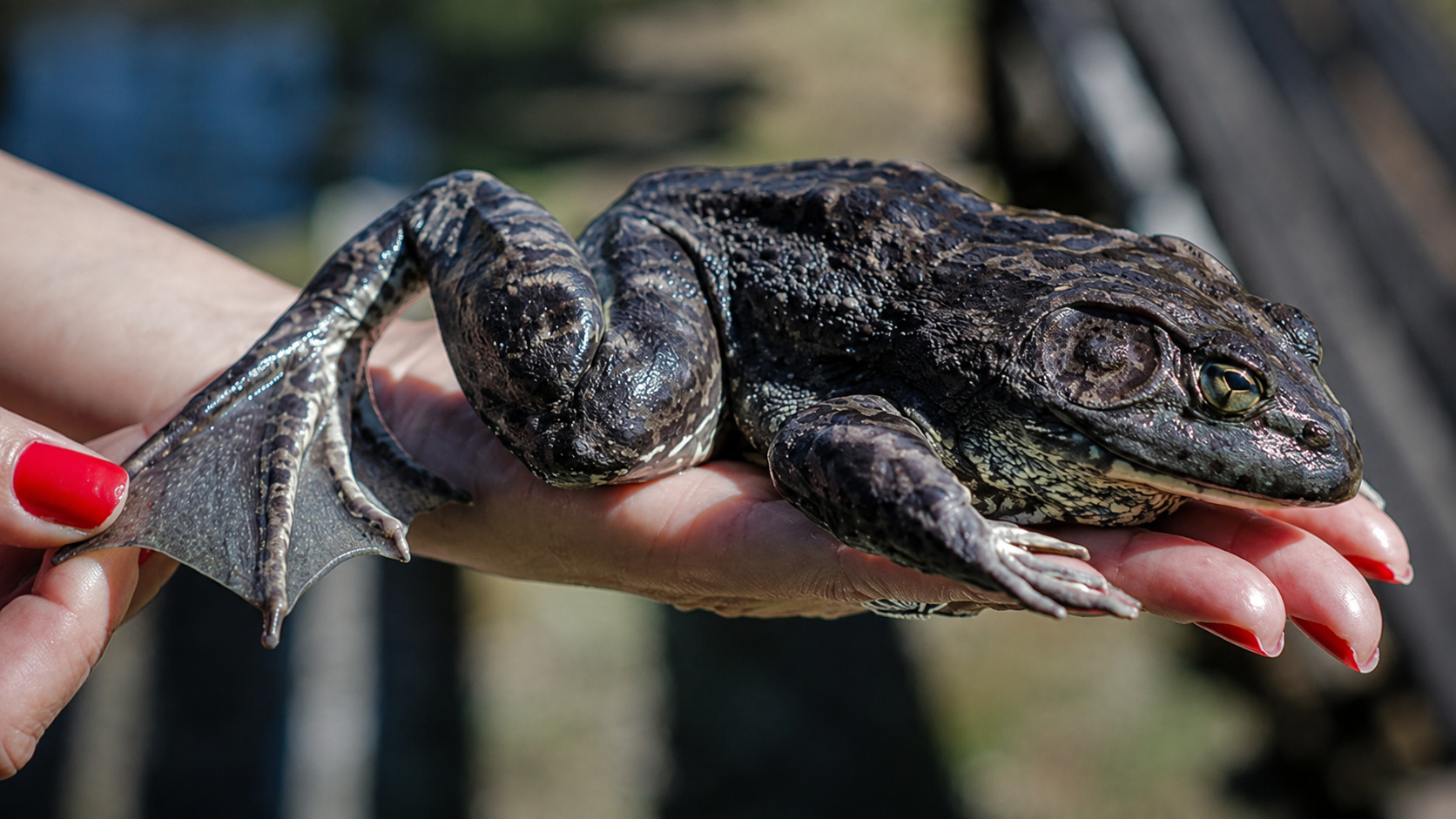
Invasive bullfrog capable of devouring other amphibians and laying up to 20,000 eggs is found in Florianópolis, raising an alert about the threat to native fauna.
-
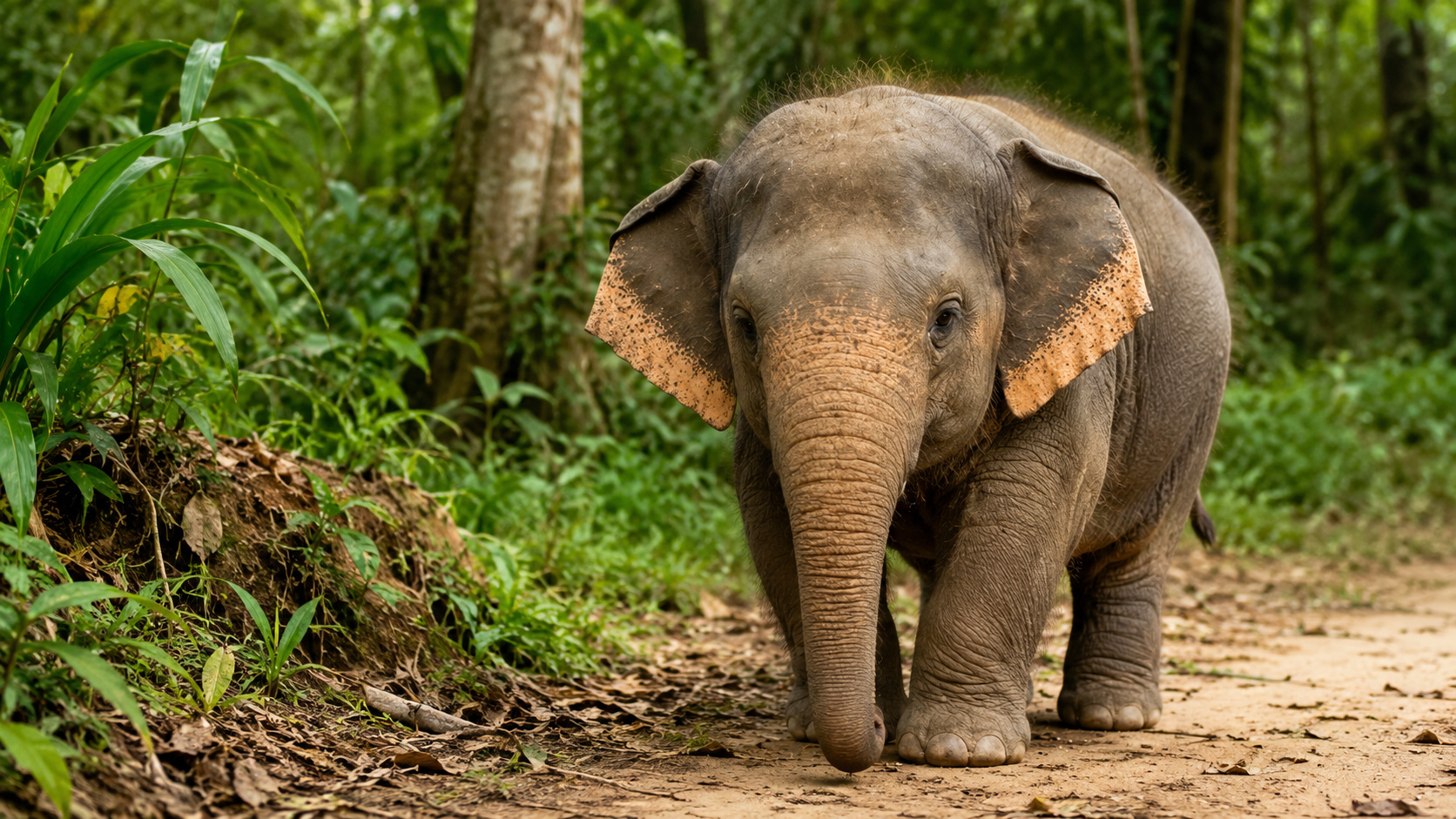
It looks like a baby, but it’s an adult: meet the Bornean pygmy elephant, the smallest elephant in the world threatened by habitat loss.
This advance occurs in the protected areas of the Canutama Extractive Reserve and the Canutama State Forest, which together encompass 348,558.73 hectares of forest. Thus, the adopted model associates production, environmental conservation, and the permanence of communities in their territories, keeping the forest standing while latex is extracted responsibly.
Chain Structuring Surpasses Historical Exploitation Logic
According to Bruno Temer, Sustainability Manager of Michelin for South America, the project is not based on carbon credits. On the contrary, the proposal stems from the understanding that decarbonizing the production chain has intrinsic value. The rubber chain, historically marked by middlemen and exploitation, is being reorganized with a focus on stability, predictability, and valuing the producer.
Currently, 31% of the raw material used by Michelin is recycled or renewable, reinforcing the circularity strategy. Since tires are a fully recyclable product, the company is betting on a model where the material continuously returns to the production cycle. In this context, Brazil stands out as the only country where this circularity is possible from the source, through production, use, and final recycling.
Applied Technology Reduces Fuel Consumption
Alongside actions in the Amazon, Michelin presented technological advancements during discussions on transportation at COP-30. At that time, the company highlighted the tires from the Energy series, developed to reduce rolling resistance and consequently decrease fuel consumption by up to 5%.
In practical terms, this technology generates significant impacts. In a fleet of 50 buses, traveling 10,000 kilometers per month, with an average consumption of 3.5 liters per kilometer, the savings can reach 75,000 liters of diesel over the period. Thus, the innovation directly contributes to reducing operational costs and emissions in transportation.
Sustainability Integrated into Business Strategy
According to Michelin, sustainability is not limited to the final product. On the contrary, it permeates the entire business strategy. Decarbonizing transportation involves manufacturers, carriers, customers, and road infrastructure. In this way, the company adopts an integrated and long-term vision.
In light of this scenario, the consolidation of native Amazonian rubber in tire production indicates a viable pathway to align environmental conservation, local development, and industrial competitiveness. To what extent can this model influence the future of the transportation industry in Brazil?







Be the first to react!