Portuguese
  Spanish



Michelin Tires Promise to Be More Environmentally Friendly and Increase the Efficiency of Electric Vehicles
The electric vehicle market is booming and is expected to continue growing over the coming decades. With this new emerging market, companies need to adapt. This is the case with Michelin, one of the leaders in the tire market worldwide, which is developing a green tire that promises to increase the efficiency of electric cars.
Alexis Garcin, president of Michelin North America, emphasized that tires designed for electric vehicles must ensure extra safety while minimizing the resistance of the rubber on the pavement. The resistance is directly linked to the performance of electric cars.
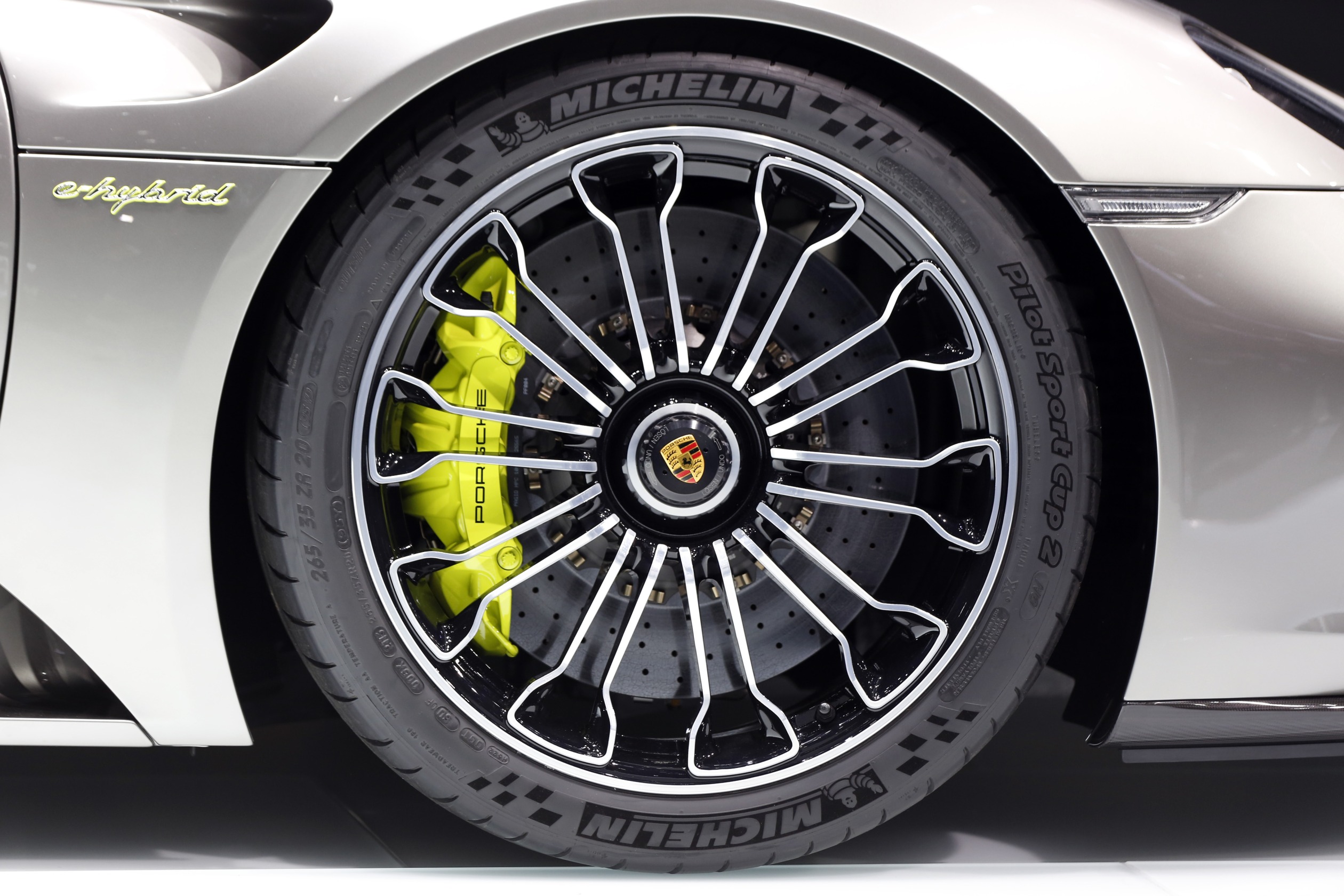
Michelin has already launched the e.PRIMACY, a tire designed for electric SUVs. Lighter, with less rolling resistance and more durability, the tire is making electric vehicles up to 7% more efficient. Additionally, it reduces CO2 consumption, making it much more environmentally friendly. Another example of a Michelin tire is the Pilot Sport, dedicated to high-performance electric vehicles. It increases the efficiency of vehicles by up to 60 KM.
-
California Project Aims to Store Heat Underground in Former Oil Reservoir to Generate 100 kW of Electricity for Over 12 Hours

-
French Port Harnesses Industrial Waste Heat to Power Up to 30,000 Homes
-
Belgian Port to Install Shore Power for Cruise Ships by 2027, Cutting Dock Emissions by Up to 5% and Meeting EU Regulations
-
Canadian Project Converts Hot Water from Mature Oil Fields into Electricity, Repurposing Existing Wells and Infrastructure




Michelin Aims to Have Fully Renewable and Recyclable Tires by 2050
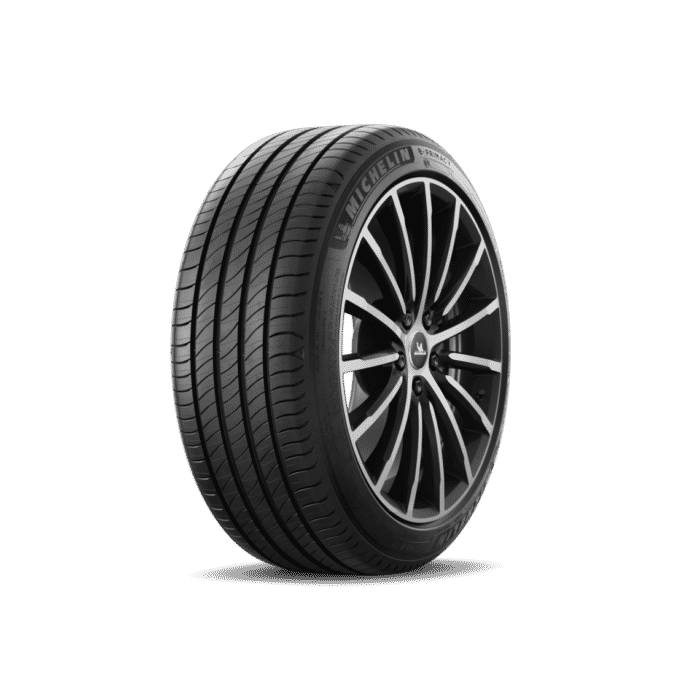
The company is striving to achieve the long-desired 100% renewable and recyclable tire by 2050: “We have massively increased all of our investments in what we call Michelin’s high-tech materials division. This opens us up to new horizons, such as aerospace, medicine, and other industries very important to the market. Our vision is to have a fully renewable and recyclable tire by 2050. Today, roughly 30% of the tire is renewable and recyclable.” said Alexis Garcin in an article published by Bloomberg.
The electric vehicle market is expected to grow massively in the coming years. It is now a consensus that gasoline and diesel vehicles are likely to become obsolete in the next decade, between 2030 and 2040. Honda, for example, already plans to end the production of combustion vehicles by 2040. Other global giant brands also have similar goals.