





 Portuguese
  English
  Spanish
 3 min of reading
  0 comments


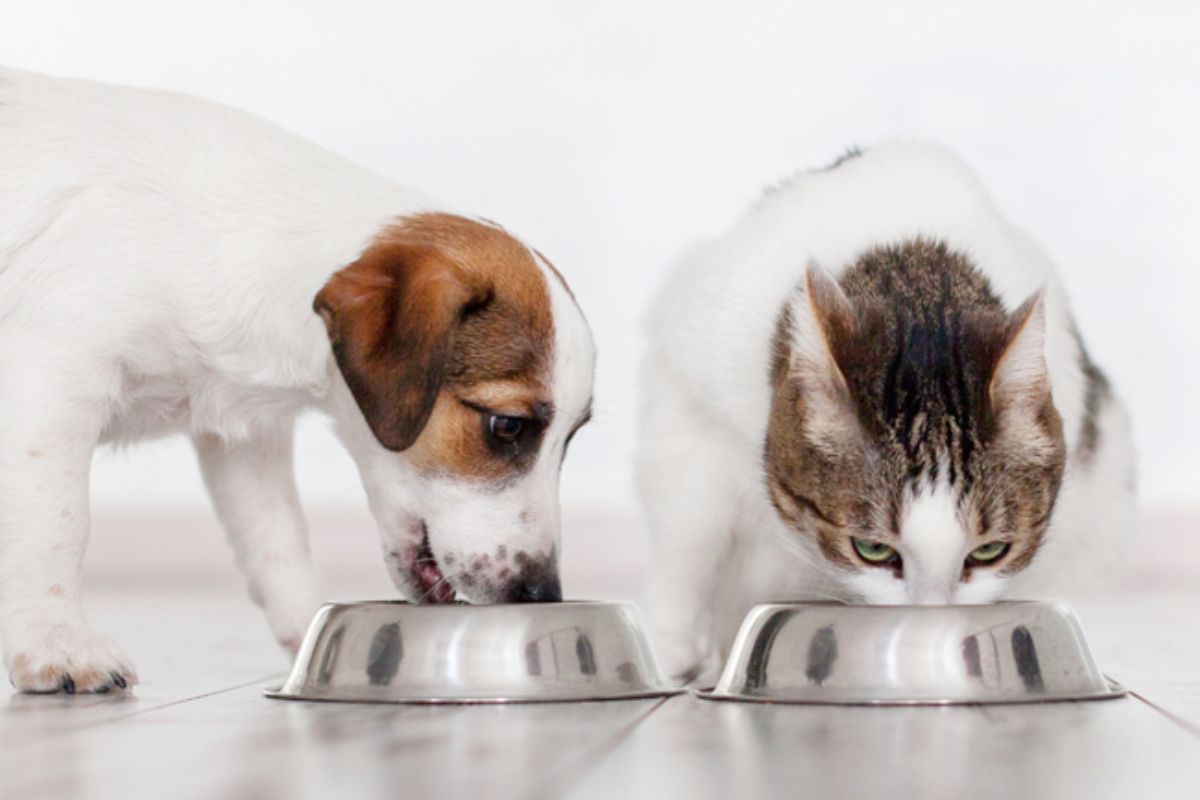
The SDA/Mapa Ordinance No. 1,412/2025 Establishes New Standards for Mycotoxins in Food for Dogs and Cats, Promoting Quality, Control, and Safety in the Brazilian Pet Sector
The presence of mycotoxins in food for dogs and cats is a concern for specialists, guardians, and industries in the pet sector.
These substances, produced by fungi, can compromise animal health and even affect human consumption in cases of cross-contamination.
With this in mind, the Ministry of Agriculture and Livestock (Mapa) published Ordinance No. 1,412/2025, establishing for the first time maximum tolerance limits for these toxins in pet food and treats, according to a report published.
-
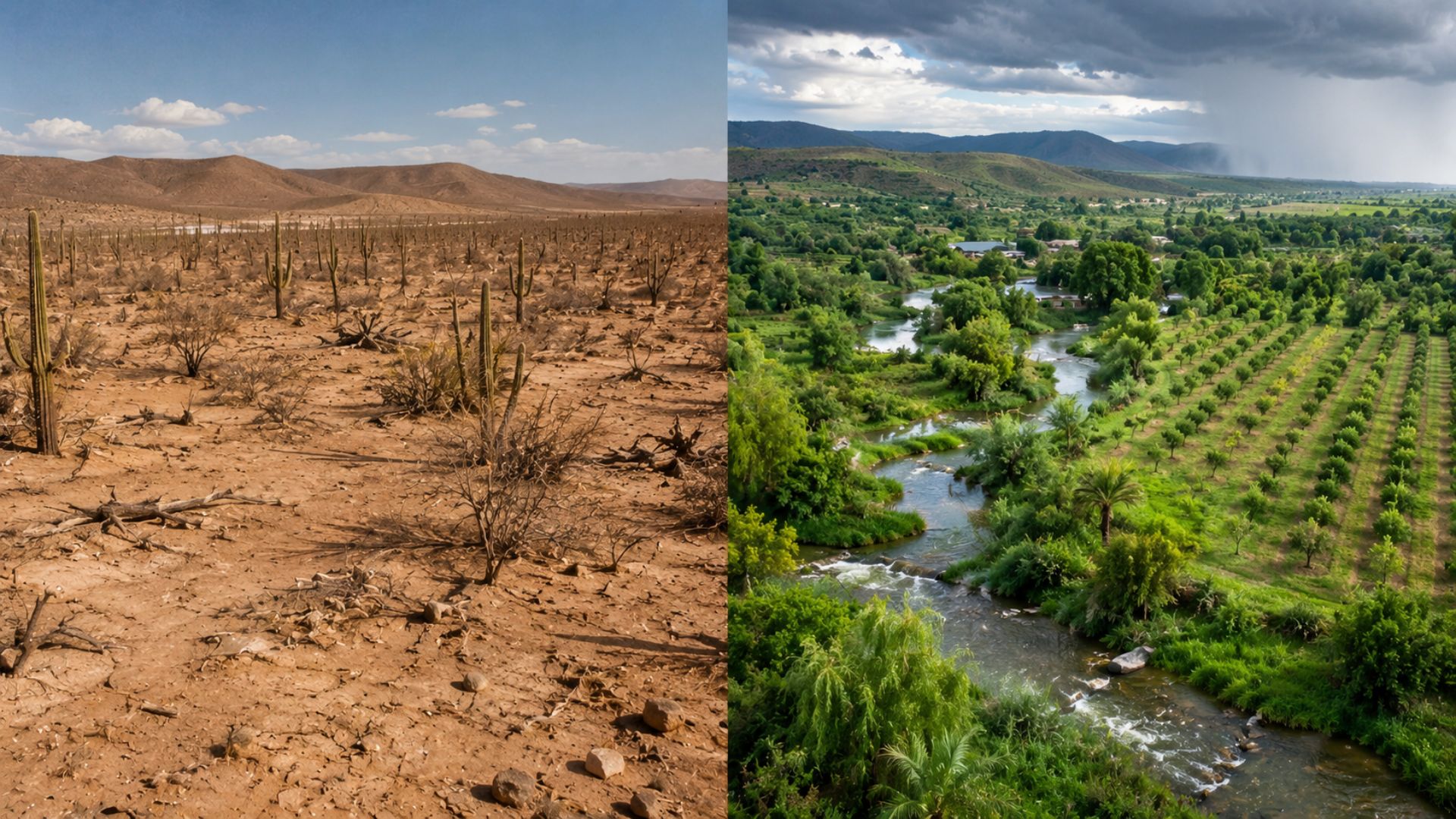
A farm in the Mexican desert has become so green that today it has rivers flowing year-round and even rain in the dry season, all thanks to a technique that transforms dead sand into fertile soil with manure, mountain microorganisms, and what farmers call the secret soil formula.

-
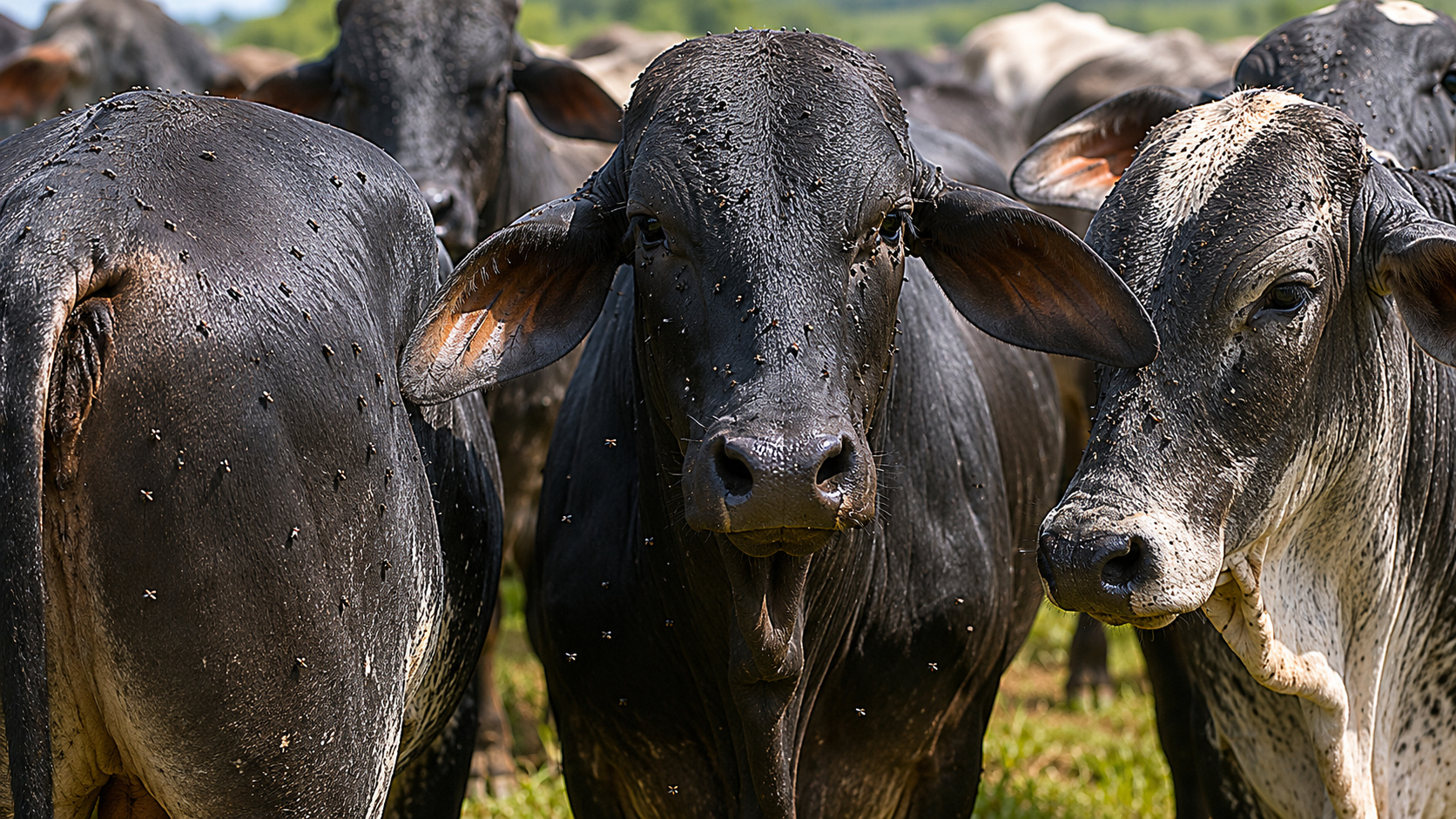
Stable fly infestation frightens producers in Costa Rica, disrupts cattle routine, reduces milk, and puts vinasse at the center of rural controversy.

-
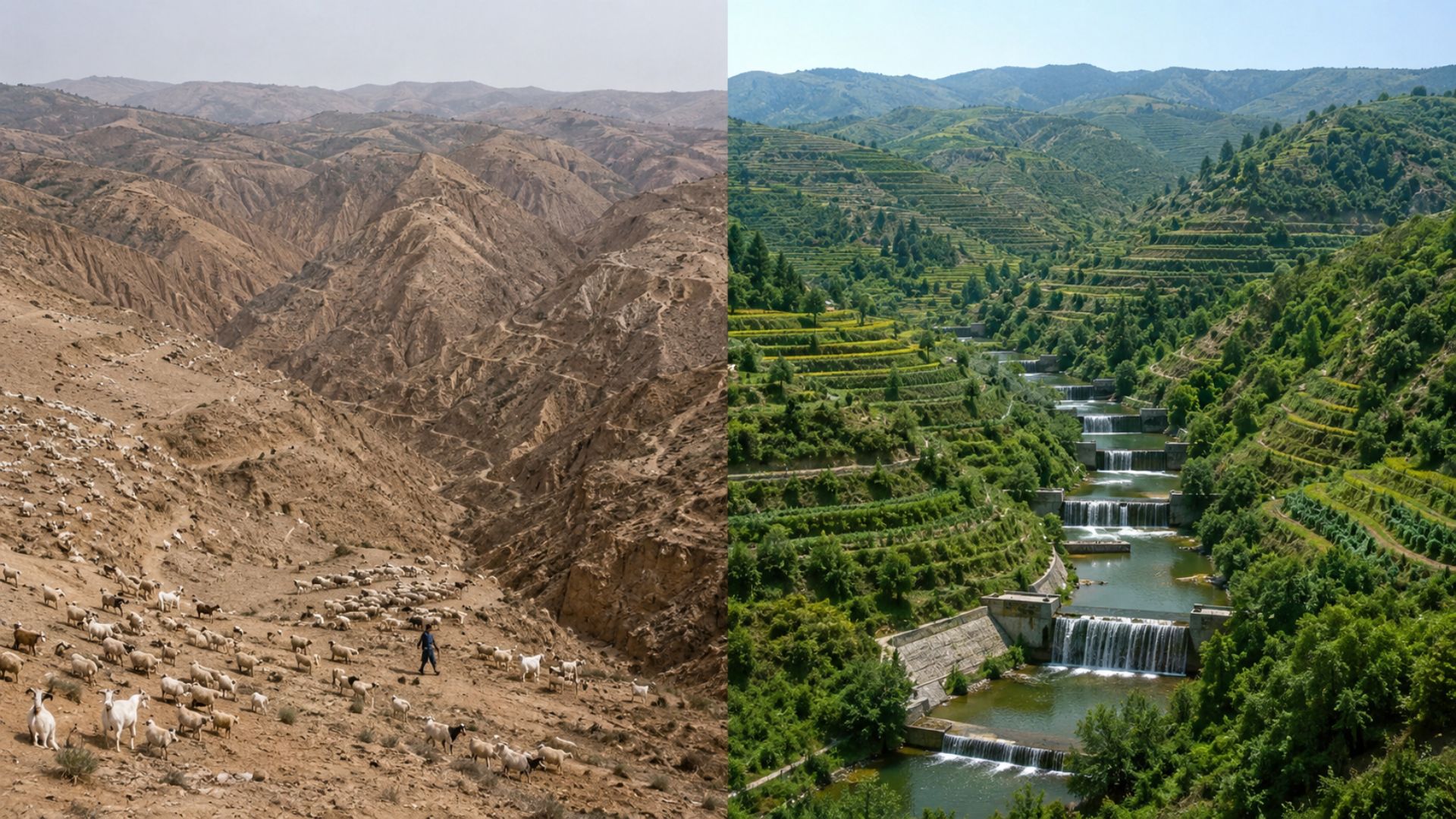
China banned free grazing of goats and sheep in parts of the most eroded plateau on the planet and, along with terraces and thousands of dams, managed to green slopes that were dumping 1.6 billion tons of soil per year into the Yellow River, in one of the largest environmental recoveries in history.
-
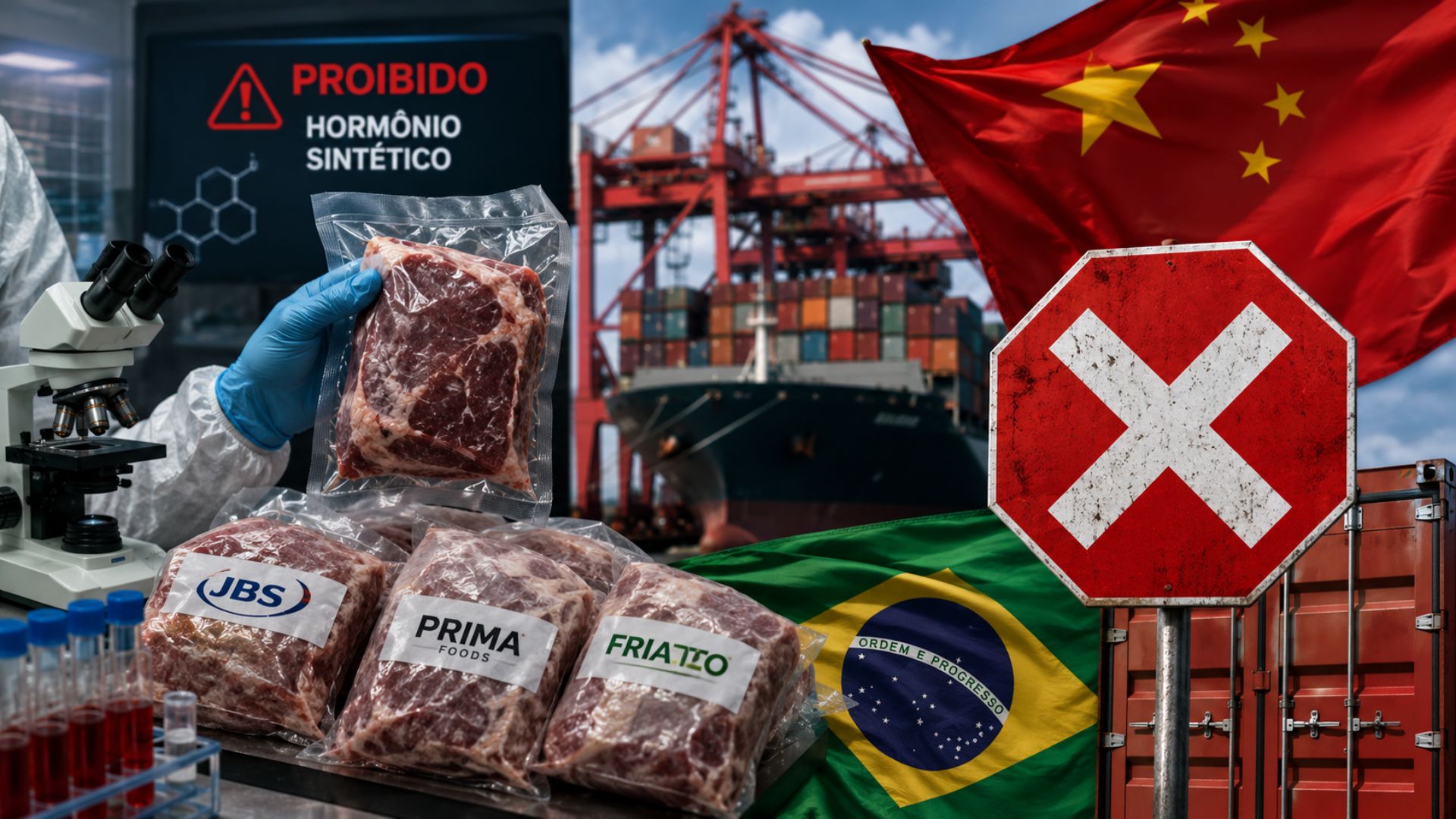
China suspended beef purchases from three Brazilian meatpacking plants of JBS, Prima Foods, and Frialto after finding a banned synthetic hormone in tests conducted on the meat, two days after reauthorizing three other plants that had been embargoed since last year.
The regulation, which comes into effect on July 1, 2026, defines rigorous technical standards for the production and marketing of balanced food.
The goal is to reinforce food safety, ensure the reliability of laboratory analyses, and promote good manufacturing practices throughout the country, strengthening quality control in the pet industry.
Mapa Rules and Control of Aflatoxins in Animal Feed
The new ordinance stipulates that the maximum limit of mycotoxins in food is 10 micrograms per kilogram (µg/kg) for aflatoxin B1 and 20 µg/kg for total aflatoxins.
Above these levels, products are considered unfit for animal use or consumption.
Prior to this regulation, there were no specific parameters for dog and cat food, which made inspection difficult and increased the risk of exposure to dangerous levels of these substances.
Now, companies must adopt stricter self-control programs and conduct laboratory analyses using nationally or internationally validated methods.
Thus, Mapa reinforces its role in the inspection and certification of production processes, seeking transparency and reliability in results.
This measure also encourages preventive practices in the storage and transportation of grains and ingredients used in the production of feeds.
Mycotoxins in Food: Impacts on the Pet Sector and Food Safety in Brazil
The implementation of the new limits for mycotoxins in food represents a significant advancement for the animal nutrition sector.
According to Mapa, Brazil is one of the largest pet product markets in the world, moving over R$ 60 billion annually.
With the regulation, manufacturers will have to invest in moisture control, raw material monitoring, and technical training.
This creates a safer environment for guardians and animals, reducing the risks of liver diseases, loss of appetite, and decreased immunity, often associated with the ingestion of aflatoxins.
In addition, contaminant control reinforces food safety and the country’s competitiveness in the international market for feeds and ingredients.
What Are Mycotoxins and How to Prevent Contamination
Mycotoxins in food are toxic compounds generated by filamentous fungi, especially from the genera Aspergillus, Fusarium, and Penicillium.
They develop under conditions of high humidity and temperature, contaminating grains, cereals, and improperly stored feeds.
Aflatoxins, for example, are among the most dangerous and can cause serious harm to animal health, including liver disorders and, in extreme cases, death.
Prevention involves good agricultural practices, proper drying of grains, constant monitoring, and periodic laboratory analyses.
With the new regulation defining the maximum limit of mycotoxins in food for dogs and cats, Brazil is advancing toward a safer food system, aligned with international quality and animal welfare standards.








-

-

3 people reacted to this.