






 Portuguese
  Spanish
  3 min of reading



In 2021, The Global Car Industry Is Expected To Stop Producing Between 10 Million And 12 Million Vehicles Due To Chip Shortage
The global shortage of semiconductor microchips, which has stagnated industries across various segments worldwide, including Brazil, will continue next year and may affect the market in 2023 as well, due to the mismatch between supply and demand. From 2020 to 2022, the increase in production capacity of chip manufacturers reaches about 6%, while demand is up by 17%.
See Also:
- Toyota Believes Hydrogen Cars Could “Kill” The Gasoline Market
- Cimed Will Inaugurate The Largest Drug Factory In Latin America And Create 500 Jobs
- GM Will Launch Kit To Turn Any Combustion Car In The World Electric
However, what also represents a problem is that microchips are used not only in cars but also in computers, cell phones, and various other products, although the automotive sector has been the most affected.
In 2021, the global industry will lose between 10 million and 12 million cars that will not have been produced due to the lack of microchips, according to the consultancy BCG. In Brazil, there will be 300,000 fewer units. For 2022, the global number drops to 5 million, and the Brazilian number to about 150,000.
-
New Honda HooRide 125 scooter debuts in China with ADV styling, 17-inch wheels, TFT panel, Smart Key, and fuel consumption of up to 47.17 km/l, aiming to resemble an urban X-ADV with a 125 engine, CVT transmission, and an economical proposal for cities.

-
Volkswagen focuses on ethanol and tests a Saveiro 100% alcohol-powered with a recalibrated engine; the project may ensure tax reduction, targets corporate fleets, and revives technology that lost ground since the arrival of flex-fuel vehicles in 2003.

-
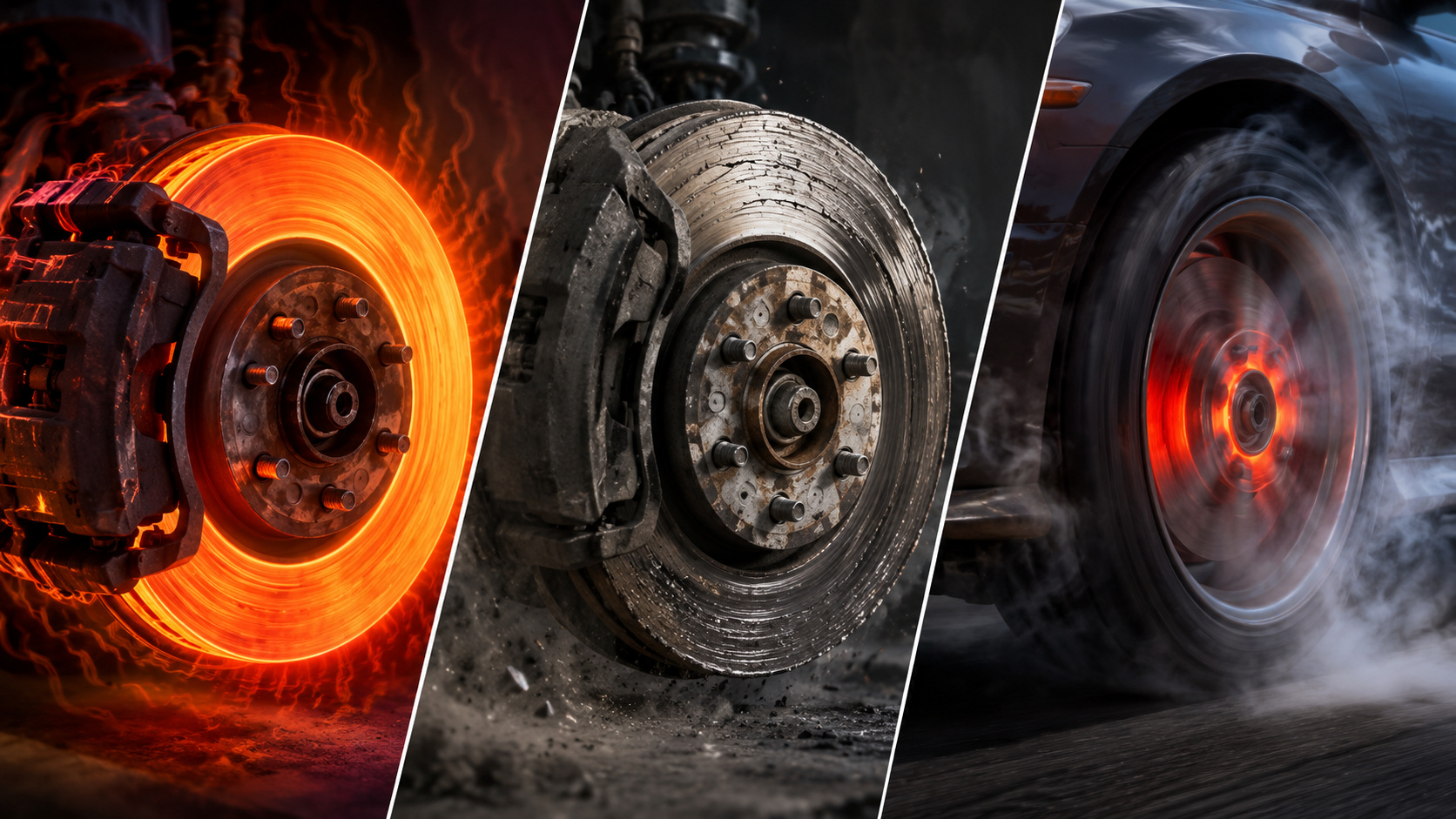
Keeping your foot lightly on the brake pedal while driving may seem harmless, but mechanics warn: this habit generates constant heat, wears out the pads too quickly, and can warp the discs, making braking expensive and dangerous.

-
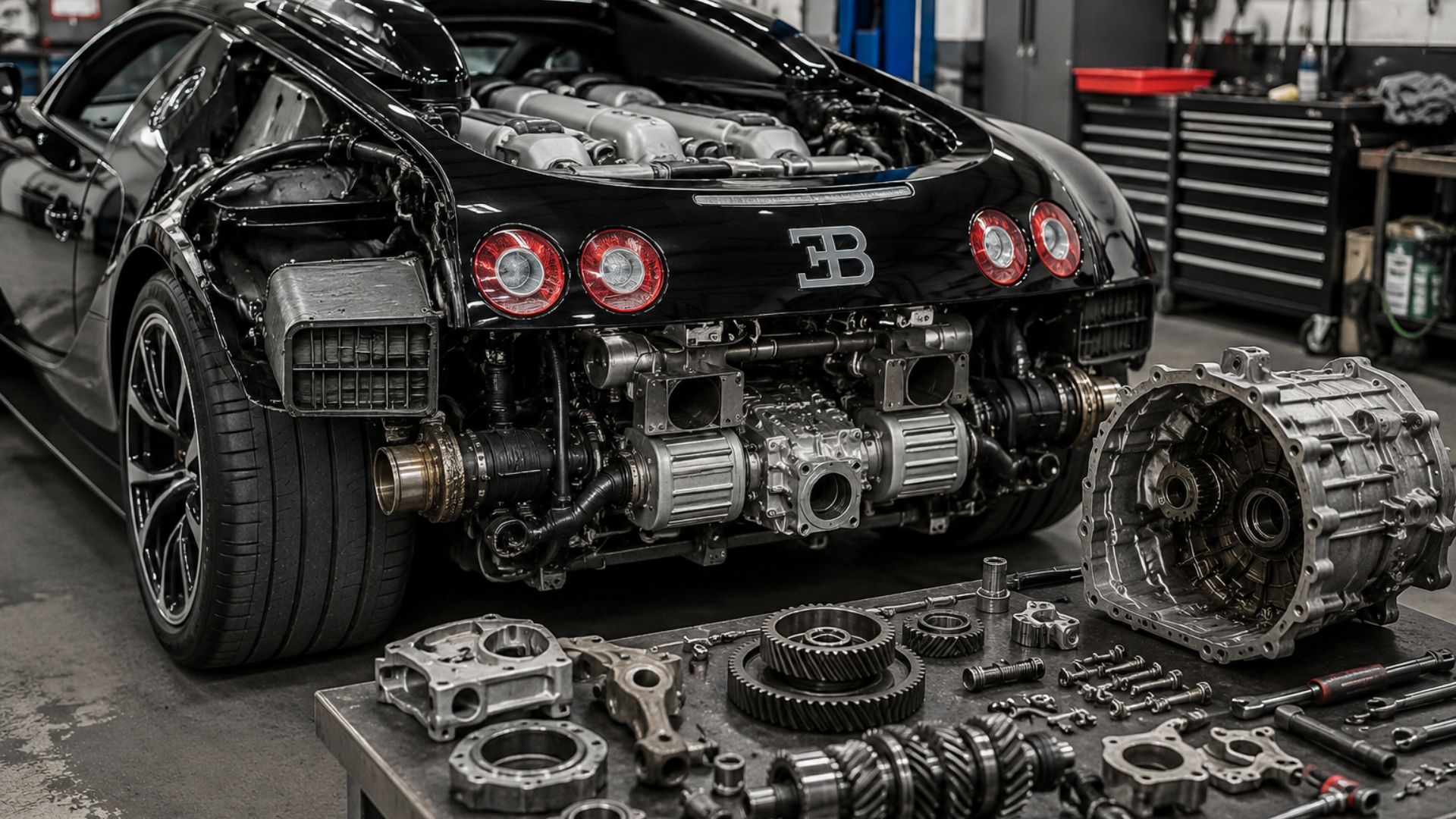
The YouTuber Mark McCann bought a Bugatti Veyron for almost $1.2 million, but discovered that the supercar’s gearbox is so damaged that even Bugatti itself won’t accept to repair it, and the repair could cost a fortune.


Most cars use older microchips, and manufacturers prioritize buyers who use the new generations. One of the motivations for this fact is that current models ensure greater financial return, according to the conclusion of the latest global study by consultancy Roland Berger.
Currently, combustion cars use only 5% of more advanced semiconductors, while electric cars use 50%. The major priority of new investments is to expand the production of the most advanced microchips, which will not relieve the reality of automakers suffering from the chip shortage.
Only venture capital companies are expected to invest over US$ 6 billion in chip manufacturers next year, according to estimates from consultancy Deloitte. New factories are being built, but they take an average of two to three years to become operational.
The scale of consumption also impacts automakers. “Only Apple’s iPhone line is more important to the producer than the entire automotive industry, which takes bargaining power away from companies in the sector, as well as priority in service,” says Marcus Ayres, managing partner responsible for the Industrial practice of Roland Berger in Latin America.
Impacts of The Chip Shortage
The issues will not affect all producers in the same way. At least one of the major car manufacturers based in Brazil, Volkswagen, expects to leave 1,500 workers at its ABC plant away from work until April due to the lack of microchips.
At the Taubaté (SP) unit, all production employees will go on collective vacations for 30 days starting January 4, right after the two-week break granted at the end of the year. The following month, 1,200 workers will be on lay-off for a period of two to five months.









Be the first to react!