






 Portuguese
  Spanish


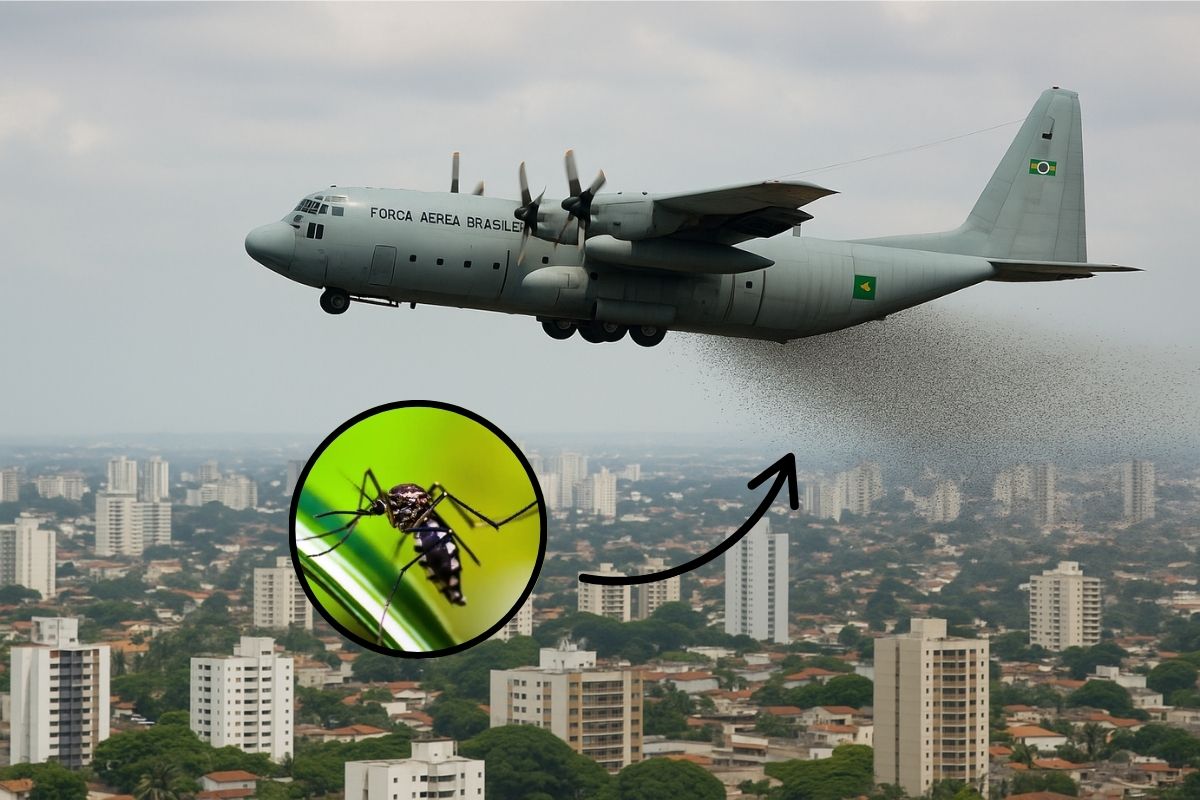


The Technique That Seems Like Science Fiction, But Is Real: Releasing Sterile Insects in Brazil Helped to Contain Pests and Deadly Diseases
Few people realize, but Brazil is one of the most advanced countries in the world when it comes to biological pest control. Instead of relying solely on poisons and traps, Brazilian researchers are investing in technological solutions that, at first glance, seem like something out of science fiction: releasing genetically modified mosquitoes and flies into the environment to prevent disease outbreaks and agricultural losses. The initiative may sound controversial, but it has already shown impressive results — and, in some cases, may have prevented entire epidemics without anyone noticing.
How This Strategy Works: More Insects to Fight the Insects Themselves
The logic behind these techniques is simple but powerful. By releasing sterile or genetically modified males into the environment, they compete with natural males for females. When they win this competition and mate, the offspring that are born do not survive — or do not even get born. The result is a drastic decrease in the population of the target pest.
Two main approaches are used: the Sterile Insect Technique (SIT), which uses radiation to sterilize males, and genetic modifications that prevent reproduction through changes in DNA. Both eliminate the need for pesticides and have gained traction as sustainable and highly effective alternatives.
-
Motorcycle Accident Inspires World’s First Fully Automated Cassava Biscuit Factory Producing 1,000 Tons Monthly

-
Attention Brazilian Tap-to-Pay Users: Quick Transactions May Conceal Important Details Noticed Only Post-Purchase

-
Why Air Conditioning Remains Scarce in Millions of European Homes Despite Deadly Heatwaves, While Nearly 90% of U.S. Homes Have It

-
7.1 Magnitude Earthquake in Venezuela Shakes Buildings in the Brazilian Amazon: Residents Report Panic as Civil Defense Monitors Aftershocks Far from Epicenter in Morón


The Most Emblematic Case: The Modified Dengue Mosquitoes
One of the most well-known examples is the genetically modified Aedes aegypti mosquitoes created by the British company Oxitec. This species is the main transmitter of dengue, zika, and chikungunya — and represents a constant threat to public health in the country. To tackle the problem, scientists released genetically programmed males to generate inviable offspring.
The first release took place in Juazeiro (BA), in 2011, with approval from CTNBio (National Technical Commission on Biosafety). The results were surprising: in monitored areas, the mosquito population dropped by more than 90%. The city of Piracicaba (SP) also adopted the strategy, with support from the city hall and health agencies.
Despite the technical success, the project sparked controversy. Environmental organizations such as Friends of the Earth called for more independent studies and questioned the long-term ecological risks. In an interview with the BBC, environmental researcher Ghislaine Maxwell from the University of Brasília argued that “genetic technologies require continuous monitoring, even after release.”
Fruits Protected with Genetically Modified Flies
Another lesser-known but equally important front was the fight against the Mediterranean fruit fly (Ceratitis capitata), a pest that affects Brazilian fruit production, particularly in mango, guava, grape, and citrus production.
With support from Embrapa and private companies, Brazil tested the RIDL technology (short for Release of Insects carrying a Dominant Lethal gene), also developed by Oxitec. The mechanism is similar to that used in mosquitoes: the modified males compete with natural males, but their offspring do not reach adulthood.
The tests were conducted under strict biosafety standards, especially in producing regions in the Northeast and Southeast. Although the studies have not been scaled up nationally, the data was encouraging and positioned Brazil among the few countries with legal and technical expertise to implement these solutions.

Pest Control Without Modifying DNA: The SIT Technique
For those concerned about genetically modified organisms, the Sterile Insect Technique (SIT) offers an equally effective approach, but without genetic modifications. The insects are raised in a laboratory, sterilized with ionizing radiation, and then released into the wild. Since they cannot reproduce, they break the population cycle of the species.
This method has been successfully used to combat the berne fly (Cochliomyia hominivorax), a pest feared in livestock farming. The larvae of this insect feed on live flesh in open wounds, potentially causing severe infections and even death in cattle and goats. The technique has already been applied in rural areas of Northern and Northeastern Brazil, with the support of UNESP, Embrapa, and international agencies such as FAO/IAEA.
Additionally, the country participated in joint operations with Mexico, the USA, and Panama to protect herds in border regions. A technical report from the IAEA highlights Brazil as a “model of regional cooperation in animal biosafety.”
Behind Every Release: CTNBio and Strict Control
No genetically modified insect is released in Brazil without undergoing a rigorous analysis process by CTNBio, an agency linked to the Ministry of Science, Technology and Innovation. The committee assesses environmental impacts, risks to biodiversity and human health, and requires post-release monitoring studies.
This regulatory framework is considered one of the most advanced in the world. According to the FAO, Brazil leads Latin America in projects for biological control with sterile and modified insects, combining cutting-edge science with environmental responsibility.
A Future Threatened by New Pests — and New Solutions
With global warming, the expansion of agriculture in the Amazon and Cerrado, and the increased international circulation of agricultural products, the risk of new pests or reintroduction of harmful species is increasingly real. And it is in this scenario that biotechnological solutions become even more valuable.
Brazil has already shown that it has the scientific, regulatory, and operational foundation to advance in this field. The next challenge will be to transform these initiatives into permanent public policies, with continuous funding, social participation, and long-term environmental monitoring.


