





 Portuguese
  English
  Spanish
 5 min of reading
  1 comment


Discover How the New Refueling Station in Uberlândia and the Biomethane Plant in Minas Gerais Drive the Sustainable Energy Transition in Brazil.
Minas Gerais is advancing as one of the main protagonists of the energy transition in Brazil. The inauguration of the first biomethane plant in the state, located in Tupaciguara, represents a milestone for sustainable development and clean energy generation. Led by Zeg Biogás and Bioenergética Aroeira, the project transforms sugarcane waste into renewable fuel, promoting a new era of innovation in the energy sector.
The plant received an investment of R$ 78.6 million and has an initial capacity to produce 15 thousand cubic meters of biomethane per day, with the possibility of expansion to 30 thousand m³/day. In addition to generating 70 direct and indirect jobs, the venture strengthens the local economy and promotes environmental sustainability.
The Importance of Biomethane for the Economy and the Environment
Biomethane is a fuel obtained from the purification of biogas, generated by the decomposition of organic materials. In the case of the Tupaciguara plant, the main raw material is vinasse, a byproduct of the processing of sugarcane. This process removes impurities and concentrates methane, resulting in a 100% renewable gas with high energy power.
-
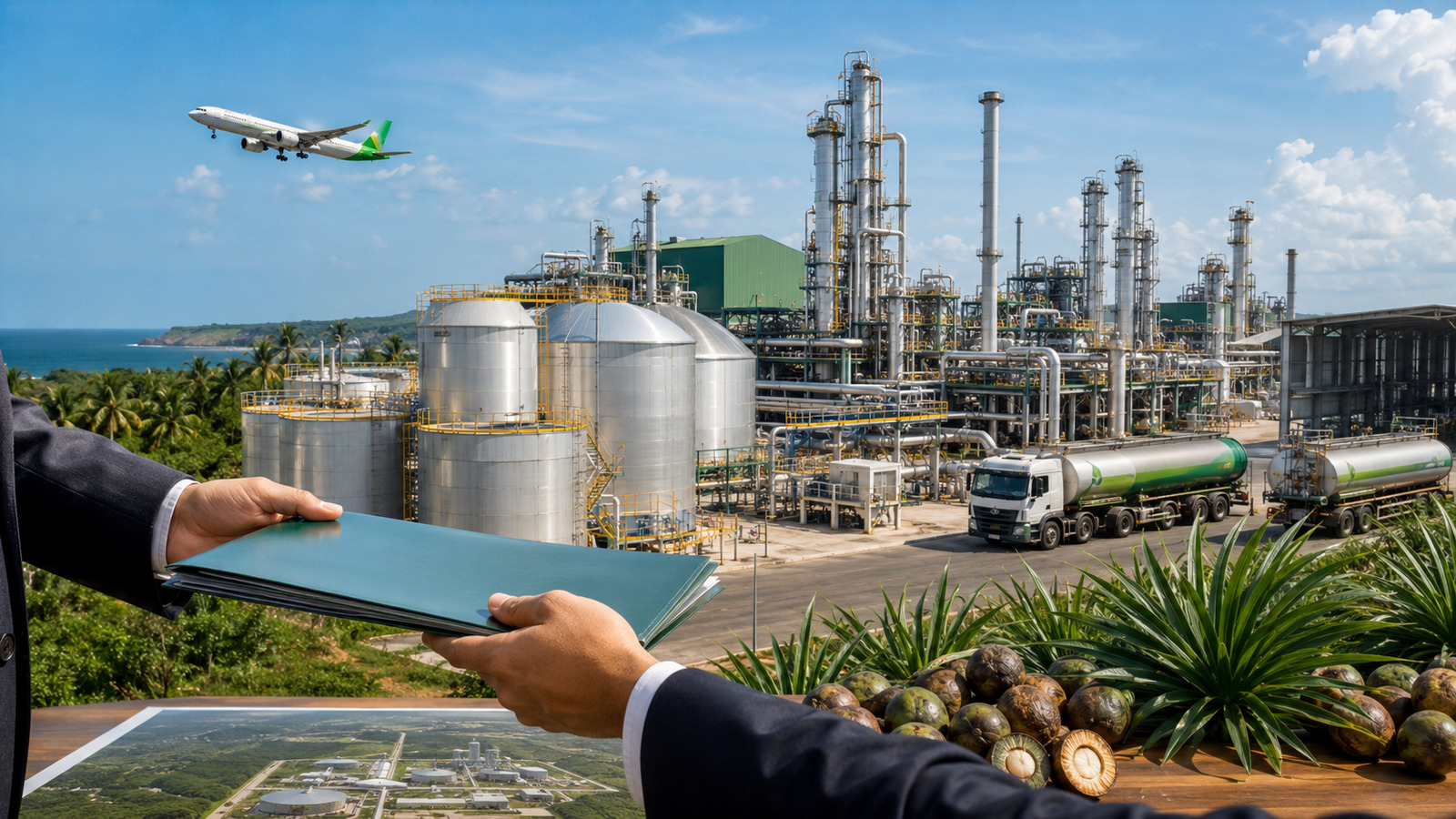
Giant arrives in Brazil with R$ 7.5 billion on the table to build a R$ 15 billion mega refinery and produce 1 billion liters per year

-
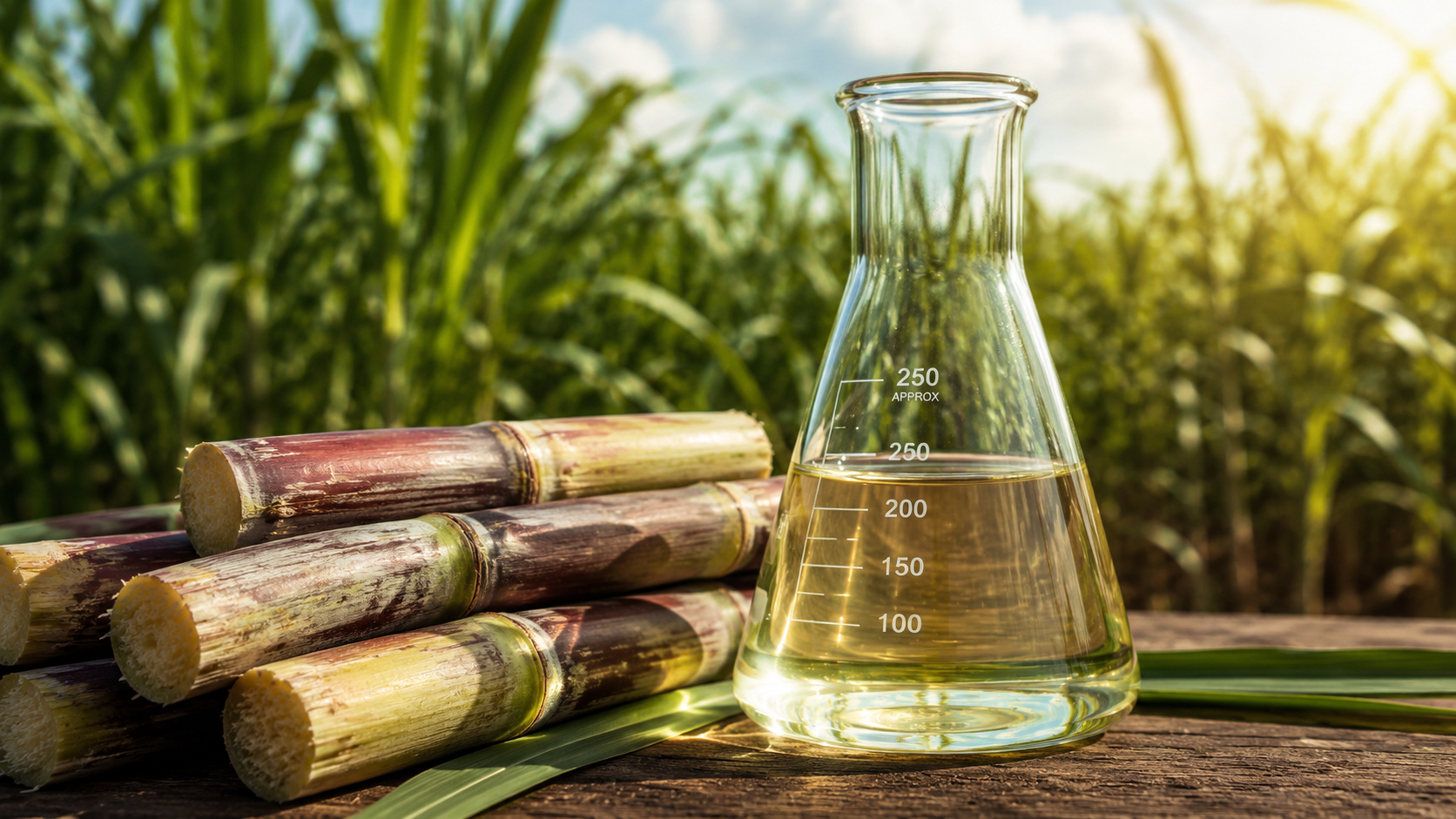
Sugarcane ethanol advances as a strategic solution for Brazil, and a study projects a reduction of up to 19% in emissions by 2030, with a possible impact on the automotive industry, clean energy exports, and the expansion of the national bioeconomy.

-
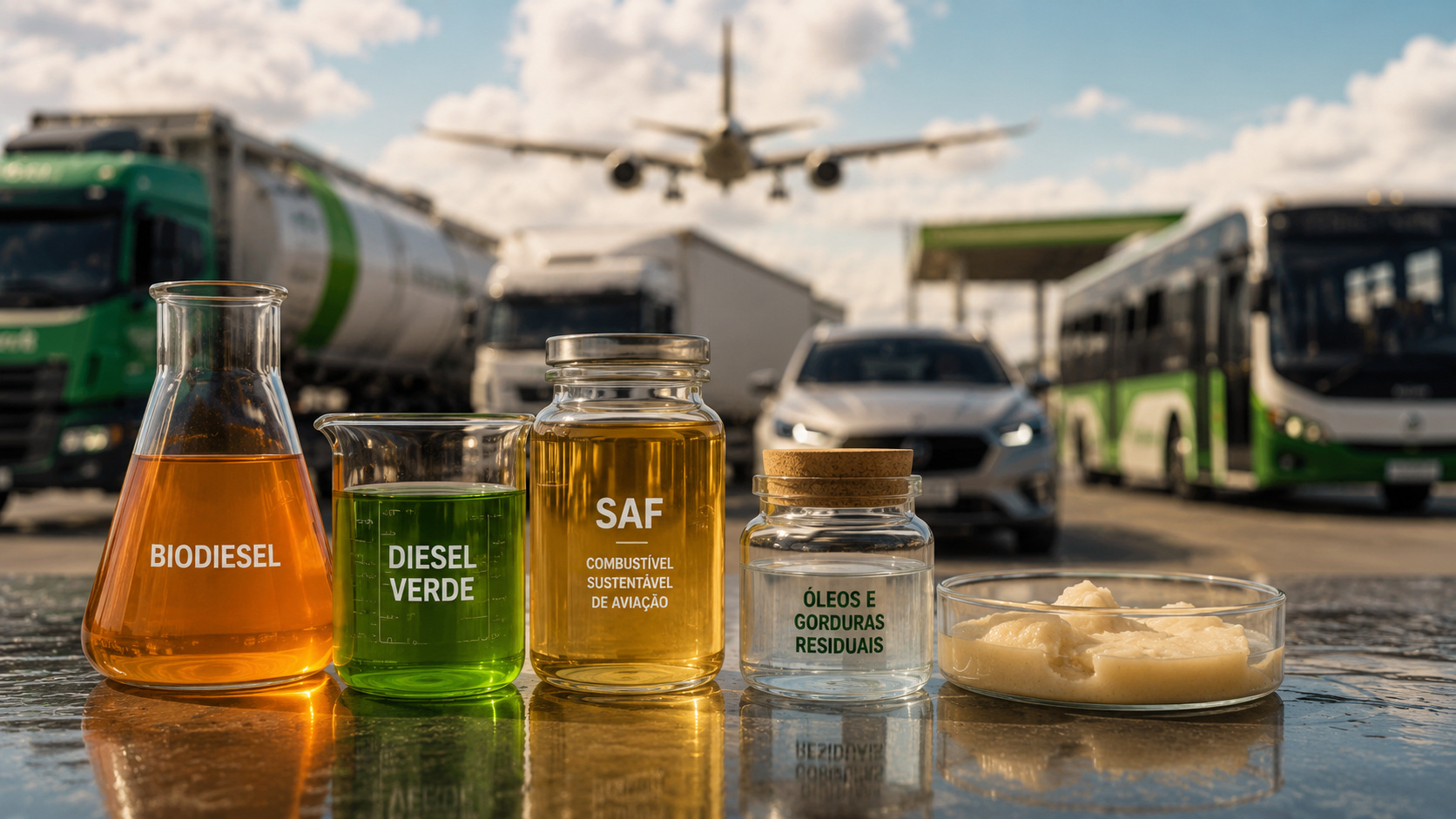
New federal measure expands the use of waste in biofuel production and strengthens Brazil’s energy strategy by integrating circular economy, industrial reuse, and carbon reduction in sectors that can transform transportation and energy generation by 2030.
-
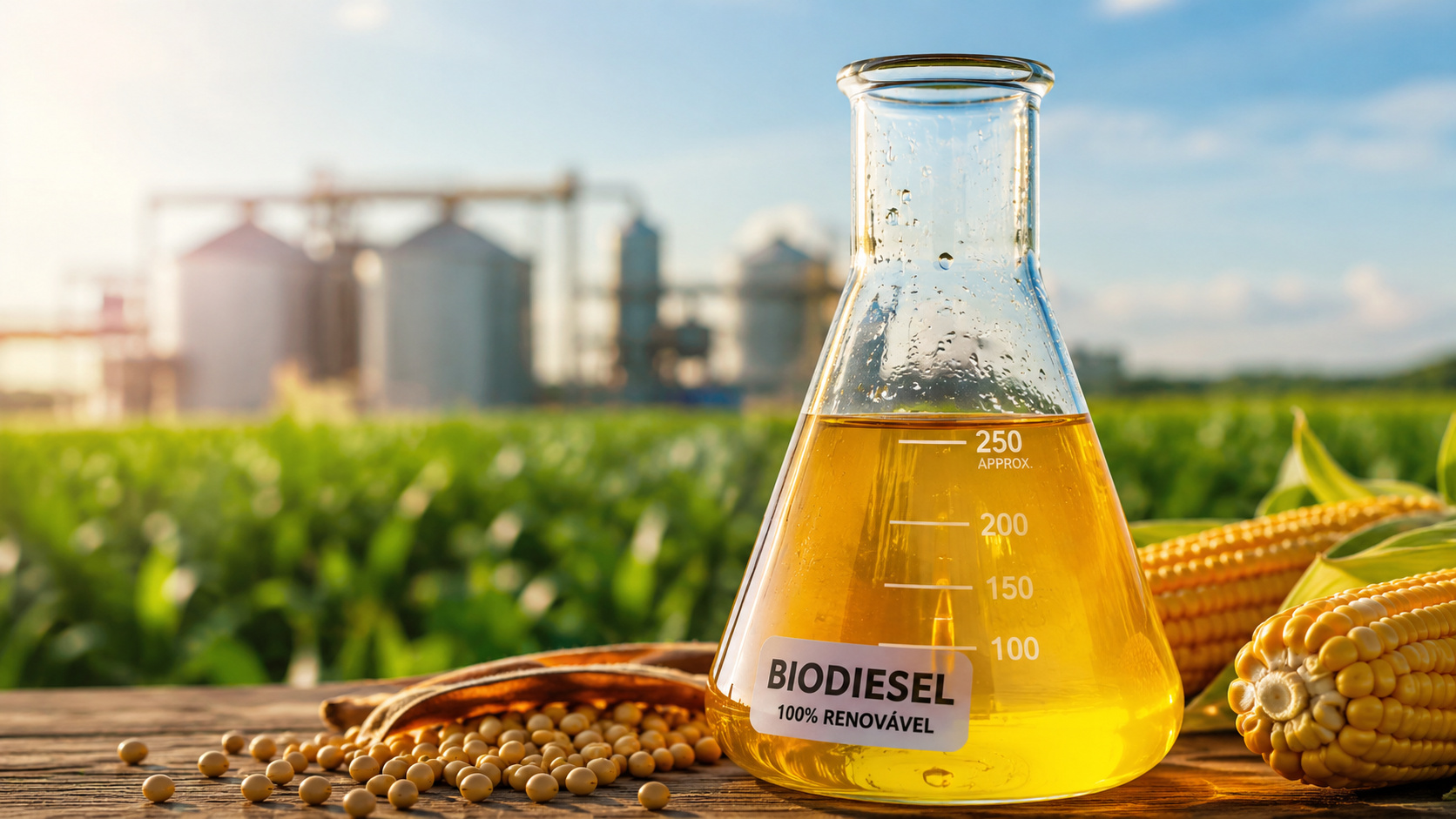
Mato Grosso surprises Brazil by breaking a historical record and becoming the country’s largest biodiesel producer, transforming corn and soy into a billion-dollar energy powerhouse.
In addition to reducing greenhouse gas emissions, the use of biomethane decreases dependence on fossil fuels, such as diesel and gasoline. In this way, technological advancement transforms waste that would otherwise be discarded into useful energy, promoting the concept of circular economy.
The CEO of Bioenergética Aroeira, Gabriel Feres Junqueira, highlighted that the project symbolizes a paradigm shift in the green economy of Minas Gerais. He emphasized that investment in biofuels like biomethane positions the state as a national reference in energy innovation, thus creating opportunities for agribusiness and sustainable transport.
Uberlândia and the New Sustainable Refueling Station
During the inauguration of the plant, a protocol was signed with the City Hall of Uberlândia for the creation of a biomethane refueling station. This initiative is essential to refuel the city’s fleet of buses and garbage collection trucks, significantly reducing pollutant emissions.
Mayor Paulo Sérgio (PP) emphasized that adopting clean energy represents an important step to minimize urban pollution and improve air quality. The project will allow vehicles powered by biomethane to operate at a lower cost and with reduced environmental impact.
Furthermore, the new refueling station in Uberlândia integrates into the state policy to encourage the use of biofuels, strengthening the sustainable infrastructure and attracting new investments to the Triângulo Mineiro region.
This type of joint action between public authorities and the private sector reinforces the role of Minas Gerais as a leader in adopting green solutions, thus stimulating the use of clean technologies and the diversification of the energy matrix.
Biorrota BR-050 and the Strengthening of Green Logistics
During the inauguration event, the Biorrota BR-050 project was launched, a sustainable logistics corridor connecting São Paulo and Minas Gerais. The initiative aims to facilitate the transportation of goods with renewable fuels, promoting a new dynamic for the flow of agro-industrial and energy production.
The Biorrota is set to become a model for other regions of the country, expanding the reach of biomethane and stimulating the creation of refueling stations along Brazil’s main highways. This logistical integration is strategic to ensure a continuous supply of fuel and the sustainable growth of cities.
By encouraging sustainable mobility, the project also contributes to achieving Brazil’s decarbonization targets, aligned with the Paris Agreement and global emission reduction policies.
The Historical Role of Minas Gerais in Brazilian Energy
The energy history of Minas Gerais is marked by great transformations. From the peak of mining in the colonial period to its prominence in hydroelectric energy generation in the 20th century, the state has always been at the forefront of innovation in the sector.
Now, with the advancement of biomethane and sustainable refueling stations, Minas reinforces its tradition of leadership in energy solutions. The integration between the agricultural and energy sectors shows how the state has been able to adapt its natural potential to a cleaner, more efficient development model.
The investment of R$ 78.6 million demonstrates entrepreneurs’ confidence in Minas’ potential to lead the new frontier of the green economy. Biomethane production, in addition to generating income, thus promotes rural sustainability and values bioenergy as an alternative to oil and natural gas.
Future Prospects for Biomethane in Minas and Brazil
The future of renewable energy in Brazil inevitably involves the expansion of biomethane production and use. With an estimated potential of over 80 million cubic meters per day across the country, the nation can significantly reduce its emissions and diversify its energy matrix.
Minas Gerais, in turn, positions itself as a laboratory of environmental innovation, bringing together universities, companies, and government in projects of bioenergy, green logistics, and sustainable mobility. The refueling station in Uberlândia will be a symbol of this new era, demonstrating that it is possible to grow economically while preserving the environment.
With the planned expansion of the plant to 30 thousand m³/day, it is expected that biomethane will supply not only municipal fleets but also transport companies, industries, and rural producers. This will strengthen the production chain and stimulate the conscious use of natural resources.
In the long term, the expectation is that other cities in Minas will also receive biomethane refueling stations, thus consolidating a regional clean energy network that could inspire the rest of the country.
A Model for a Sustainable Future
The launch of the biomethane plant in Tupaciguara and the refueling station in Uberlândia symbolizes the beginning of a new phase for the mining energy matrix. The partnership between the public and private sectors shows that then investing in renewable energy is investing in the future.
Minas Gerais consolidates itself as a national reference in the production of biofuels and the implementation of sustainable projects. The example of the refueling station demonstrates that then innovation, when combined with environmental awareness, can turn challenges into opportunities.
Thus, the state moves towards a cleaner, more efficient, and lasting energy model, contributing to the sustainable development of Brazil and to building a planet less dependent on fossil fuels.





Hello my loved one I want to say that this post is amazing great written and include almost all significant infos I would like to look extra posts like this