Portuguese
  Spanish


Brazilian Mining Earns R$ 139 Billion in 6 Months, Generates 226 Thousand Jobs and Forecasts US$ 68.4 Billion in Investments Until 2029 to Boost the Sector.
The performance of Brazilian mining in the first half of 2025 reinforces the sector’s weight in the national economy and its strategic relevance for the country’s future. Between January and June, the sector generated R$ 139.2 billion, recording a growth of 7.5% compared to the same period last year, according to data from the Brazilian Mining Institute (IBRAM). In addition to the impressive revenue, the segment is preparing for a historic race of US$ 68.4 billion in investments until 2029, with the potential to transform mining regions, generate thousands of jobs, and increase Brazil’s participation in international trade.
Mining Revenue on the Rise Driven by Critical Minerals
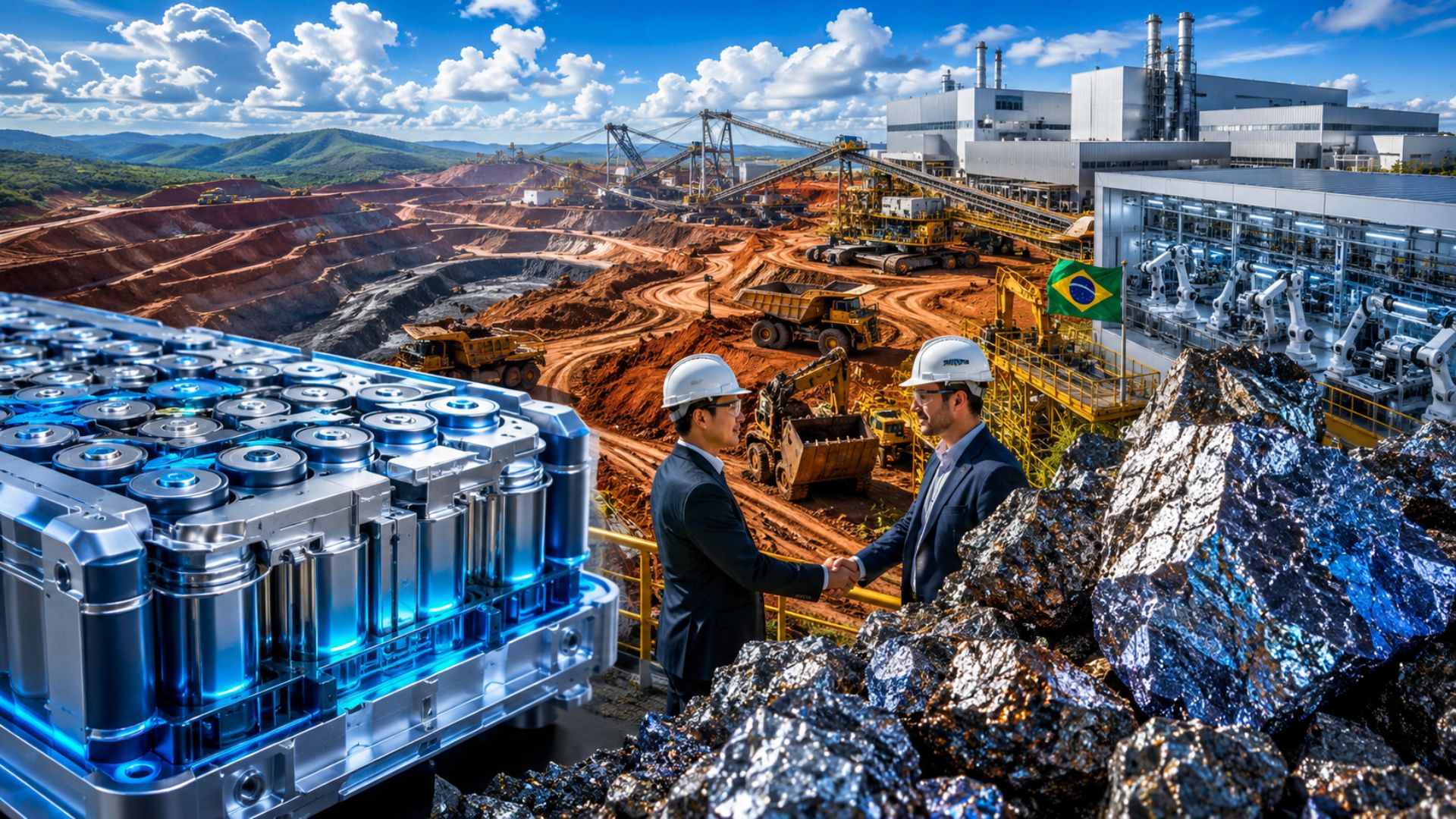
The mining revenue in the semester was marked by the expansion of so-called critical minerals, which reached R$ 21.6 billion, with a rise of 41.9% compared to 2024. This group includes strategic inputs for the energy transition, such as lithium, nickel, and copper, increasingly demanded by the battery and electric vehicle industry.
Despite the positive performance, iron ore — the flagship of Brazilian mining — recorded a decline of 8.2% in revenues, accumulating R$ 73.5 billion and representing 52.8% of the sector’s revenue. This drop reflects price fluctuations in the international market, but did not compromise the final balance, as other minerals offset the loss.
-
China could reduce iron ore imports from 80% to 50% of consumption by 2030, while its share in global steel production falls from 52% to 46%, in a shift that could reshape the global market, says CMRG.

-
Brazil is sitting on one of the largest lithium reserves in the world, in the Jequitinhonha Valley, but national mining has almost become an appendage of China: 97% of the metal’s export goes to a single country, which also dominates refining.
-
Iron ore falls to 762 yuan in China as real estate sales decline and steel production hits lowest level since 2018
-
Brazil has minerals, clean energy, and a waiting market, but it could miss a billion-dollar opportunity if it doesn’t speed up the race for green minerals, while the steel industry seeks to reduce emissions.


Leading States of Brazilian Mining
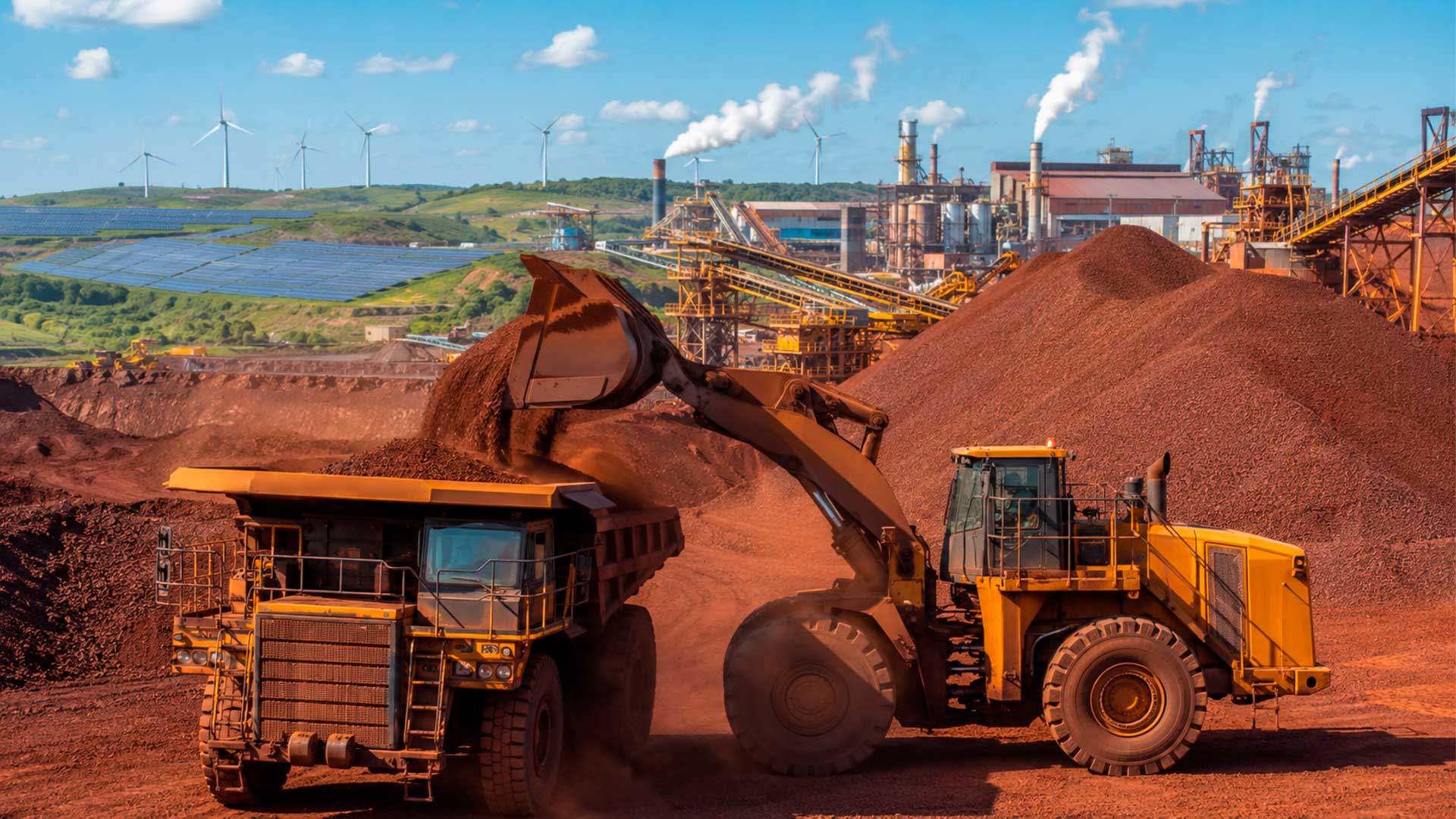
The map of mining in Brazil remains concentrated in three states: Minas Gerais, Pará, and Bahia. Together, they account for almost 80% of the sector’s total revenue.
Minas Gerais continues to lead, with 39.7% of the revenue, followed by Pará (34.6%) and Bahia (4.8%). These states not only concentrate large mines but also logistical infrastructure that facilitates the flow of production for export.
Job Creation and Record Revenue
One of the highlights of the IBRAM report is job creation. From January to June, Brazilian mining recorded 226 thousand direct jobs, with the creation of 5,085 new positions in just six months.
Considering indirect and induced jobs, the impact on local economies is even greater, strengthening productive chains and commerce in mining municipalities.
In terms of tax collection, the sector collected around R$ 48 billion in taxes and levies, an increase of 7.5% over 2024. Of this total, the Financial Compensation for the Exploration of Mineral Resources (CFEM) amounted to R$ 3.7 billion, a vital resource to finance infrastructure and public service projects in cities affected by the activity.
Mining Exports and Trade Balance
Brazilian mineral exports totaled 192.5 million tons, a growth of 3.7% in volume. The trade balance of minerals recorded a surplus of US$ 16 billion, equivalent to 53% of the entire Brazilian trade surplus during the period.
China remains the main destination for mineral exports, absorbing 68.1% of the total volume, mainly of iron ore and bauxite. The United States led the list of mineral product suppliers to Brazil, followed by Russia, Australia, and Canada. This exchange reinforces Brazil’s strategic position as one of the major global players in the sector.
Mining Sector and Global Energy Transition
The mining sector is one of the pillars of the energy transition, and Brazil has established itself as a key supplier of critical minerals. The investment plan of US$ 68.4 billion until 2029 foresees the expansion of lithium, nickel, and copper mines, as well as new projects to diversify production and reduce dependence on iron ore.
These investments are expected to modernize processes, strengthen the sustainability of the production chain, and generate thousands of direct and indirect jobs. The expectation is that mining regions will receive new industrial plants and support infrastructure, which could transform the economic reality of states such as Minas Gerais, Pará, and Bahia.
Challenges and Prospects of Brazilian Mining
Despite the optimistic scenario, Brazilian mining faces significant challenges, such as environmental pressures, the need for faster licensing, and demands for greater sustainability in operations.
The sector also needs to balance expansion with measures to mitigate social and environmental impacts, ensuring that economic benefits translate into development for local communities.
At the same time, global demand for strategic minerals is growing rapidly, placing Brazil in a privileged position. With billions in investments already announced, the country can consolidate itself as a protagonist in a sector that is at the center of the technological and energy transformations of the 21st century.
And you, do you believe that Brazilian mining will be able to take advantage of this billion-dollar cycle to generate sustainable development and quality jobs by 2029?