Portuguese
  Spanish


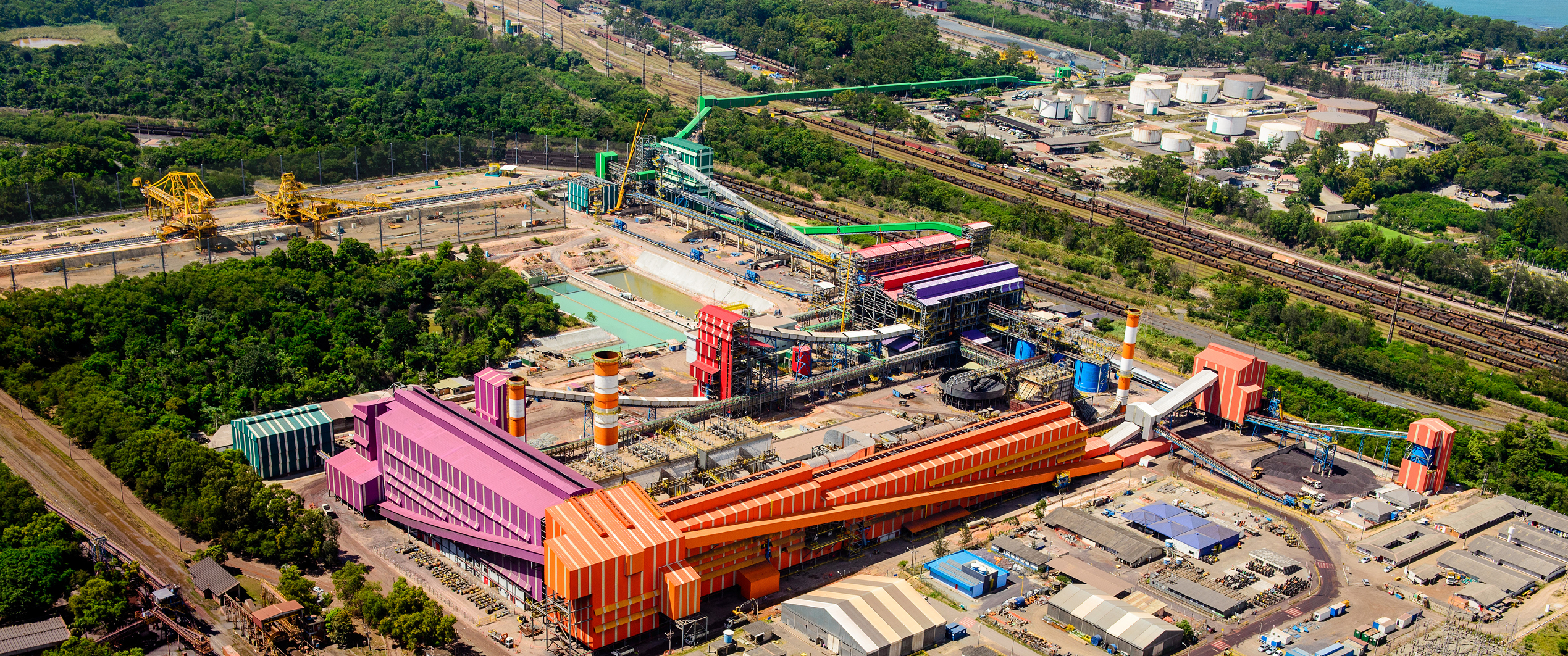

The Production of the “Green Briquette” by the Mineradora Will Initially Be Carried Out at Pelletizing Plants 1 and 2 in the State of Espírito Santo
Yesterday (09/09), the mineradora Vale presented a new product, developed over nearly 20 years, that could reduce greenhouse gas (GHG) emissions by up to 10% in the steel production of its steelmaking customers. The “green briquette” will initially be produced at pelletizing plants 1 and 2 at the Tubarão Unit in Vitória, Espírito Santo, which are being converted for this purpose. About 800 new jobs will be created during production. Also, see this news: Mineradora Vale Maintains Legal Dispute with Aneel Over Hydroelectric Plant
- Wilson Sons Opens Job and Internship Opportunities in Niterói, Rio de Janeiro
- Voltalia Begins Construction of the World’s Largest Solar Power Plant in RN
- Copel and Itaipu Plant Launch Pioneering Project That Generates Energy from Biogas in Western Paraná
- Cooking Gas Market in MG Shows Signs of Supply Shortages Due to Truck Drivers’ Strike
- Gas Stations Take Advantage of Truck Drivers’ Strike to Raise Fuel Prices
Watch an Interesting Video About the Green Briquette from Embrapa


Adaptation of Two Plants in the Tubarão Complex in Espírito Santo
Two plants in the Tubarão Complex in Vitória, Espírito Santo, will be adapted to manufacture the new product, and according to the mineradora Vale, 800 jobs will be created in this process in 2022. An additional 120 positions will be needed to operate the facilities.
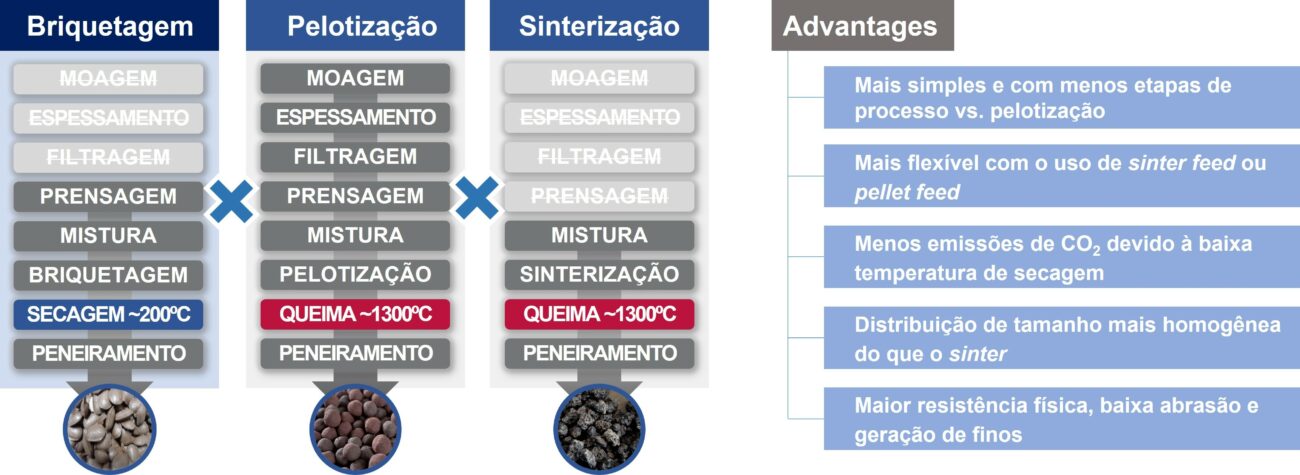
Plants 1 and 2 of Vale have been idle since 2019. It is in these plants that green briquettes will be produced, which are made from fines and super fines of iron ore and a binding formula (a type of “glue”) capable of withstanding the high temperature of the blast furnaces at steel mills without disintegrating.
-
U.S. City Builds Tiny Home Village on Water Company Land to House 136 Homeless People: Inside the Social Housing Units

-
Woman Turns Shipping Container into Home, Embraces Rural Life to Cut Monthly Expenses to Just Over $330
-
France Revamps 530 Social Housing Units with Large Balconies and Glass Facades Without Demolishing Existing Buildings

-
Facing high rent, couple transforms parents’ garage into a fully functional apartment, creating a complete home at a fraction of the market cost.



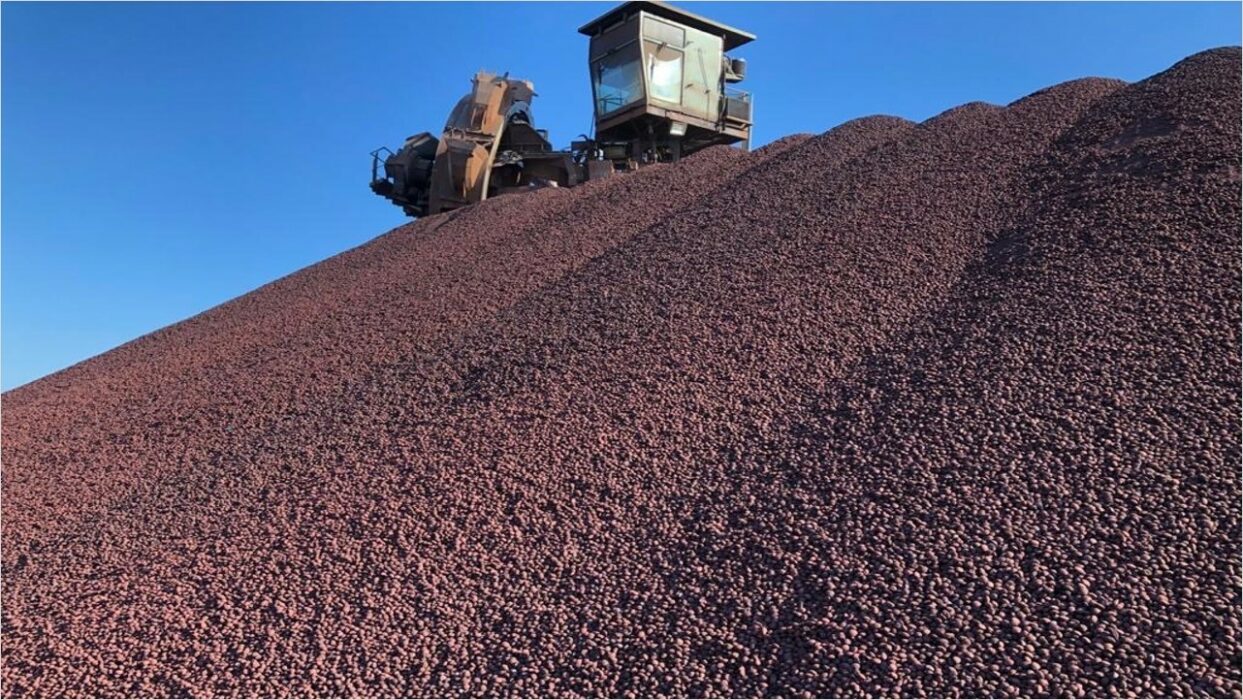
The initial production capacity is approximately 7 million tons per year. The startup of the three plants (two in Espírito Santo and one in Minas Gerais) is scheduled for 2023. The investment by Vale totals US$ 185 million. The estimate is that in the long term, the company will have the capacity to produce over 50 million tons per year of “green briquette,” which would lead to a potential emission reduction of over 6 million tons of carbon equivalent per year using the technology.
The Development of the “Green Briquette” by Vale
The new product began to be developed in 2004 by researchers from Vale’s then Ferrous Technology Management in Vitória (ES). In 2008, the management was absorbed by the Ferrous Technology Center (CTF) in Nova Lima (MG), where studies on the briquette continued. The CTF is a high-level research unit created by the company to develop products that improve the industrial processes of Vale’s steelmaking customers.
The first industrial tests took place in 2019 in a charcoal furnace. In 2020, tests were conducted in a large-scale coke oven. “Based on the satisfactory results, we considered that we were ready to begin construction of the first plants to commercially launch the product,” says the Marketing Director of Ferrous, Rogerio Nogueira.
Since announcing its scope 3 target, Vale has been formalizing partnerships with steelmaking clients to discuss decarbonization projects. In a memorandum of understanding (MoU) signed with Ternium on August 19, for example, the initiation of technical and economic studies was agreed upon to evaluate the feasibility of constructing a “green briquette” plant located at the steel mill’s installations in Brazil.