






 Portuguese
  Spanish
  3 min of reading


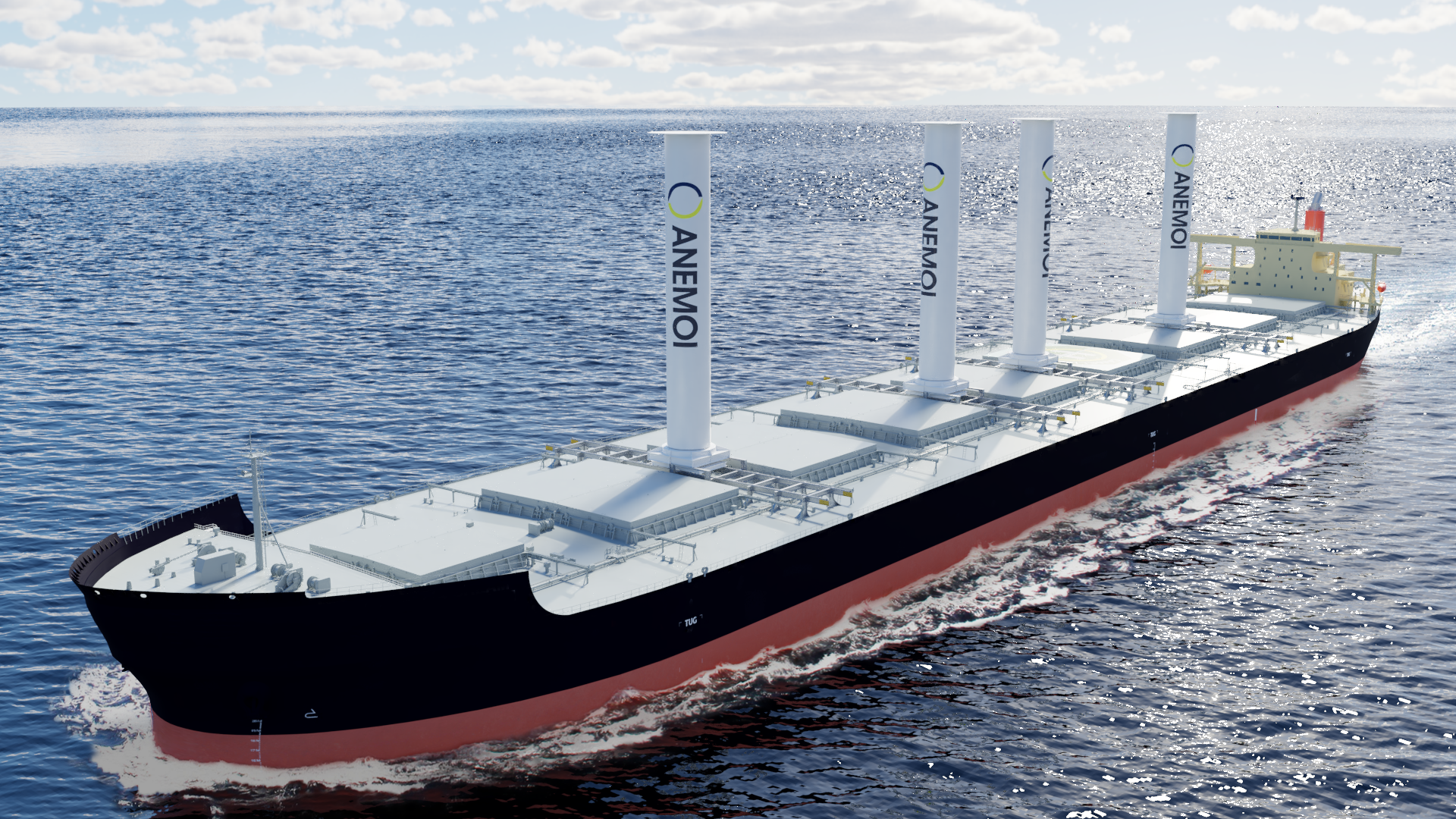
The Objective of the Project by Vale and MOL Is to Significantly Reduce Fuel Consumption in Operations. Two Rotor Sails for Wind Propulsion Will Be Installed on Iron Ore Bulk Carriers.
Focusing on sustainability and reducing fuel use in its maritime transport operations, the mining company Vale has an important project with the Japanese MOL. The initiative aims to install wind propulsion systems on iron ore bulk carriers. The Norsepower Rotor Sail is expected to be implemented on the vessels by 2024, according to the project, to support the mining company’s environmental commitment.
Project to Install Wind Propulsion Systems on Vale’s Iron Transport Ships Aims for a 6% to 10% Reduction in Fuel Consumption in Operations
Investments in decarbonizing the national transport sector have become increasingly intensive over the past few years. The search for new sustainability solutions has led companies across the country to seek alternatives to reduce pollutant emissions, as is the case with Vale.
The mining giant is looking to provide even more sustainability in its iron ore transport operations with its new project with the Japanese MOL.
-
Why can the crane operator only obey the correct signalman on the construction site: among dozens of workers, a hand raised by the wrong person can confuse the maneuver and turn a load of tons into an immediate risk.

-
What changes with the new public transportation rules that can reduce pressure on fares and pave the way for zero fare in Brazil?
-
Three Chinese companies manufacture more than 96% of the world’s dry cargo containers and 100% of refrigerated ones, in a dominance built over 40 years that has made it almost impossible for the West to compete in this market.

-
Argentina confirms Belgian giant to lead strategic Paraná River waterway and promises to reduce logistical costs on one of South America’s most important routes



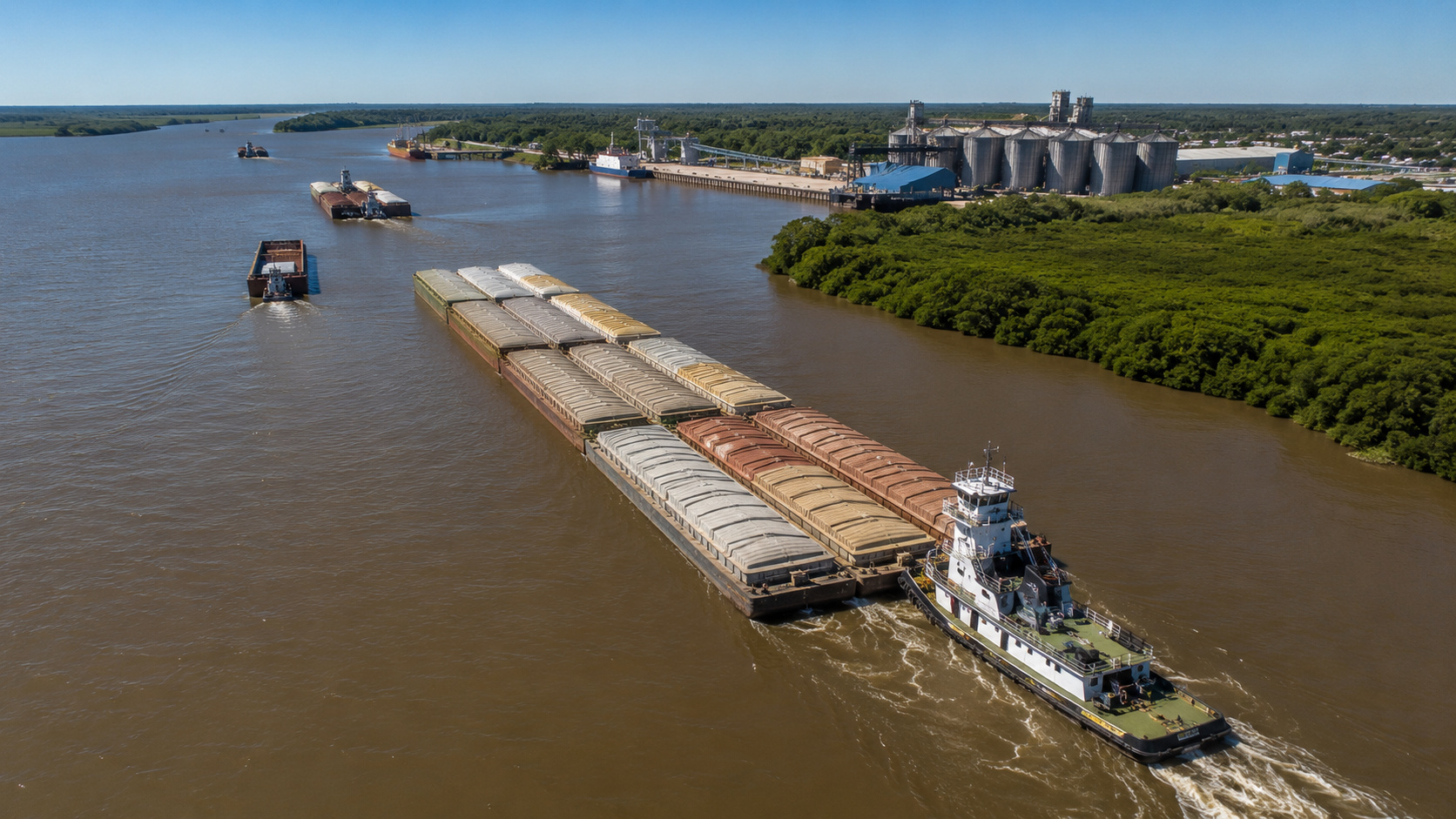
The agreement includes the installation of two rotor sails for wind propulsion on the mining company’s bulk carriers. The bulk carrier is owned by MOL and employed by VALE under a medium-term contract for iron transport.
According to the project, the installation of the 35m x 5m rotor sails is scheduled for 2024. The mining company aims to accelerate the development of the system to start reaping the benefits of the initiative.
The Norsepower Rotor Sail ™ will be the system used for the ships. It is 100% automated, producing strong thrust as the wind creates differential pressure around the rotating sail.
This can ensure a reduction of 6% to 10% in fuel consumption in the company’s iron transport operations.
Thus, Vale’s initiative with MOL significantly contributes to minimizing carbon emissions and other polluting gases during these activities.
See How the Propulsion System Works


MOL Reinforces Its Position as Advocate for Wind Propulsion Systems on Transport Ships in New Contract with Vale Mining Company
The new contract with Vale reinforces MOL’s position in the international transport market. The company has been a strong advocate for wind propulsion on ships to reduce fuel use in operations.
The company recently completed the maiden voyage of the Shofu Maru. This is the world’s first bulk carrier to use wind propulsion in its operations.
According to the company, the vessel is equipped with a Wind Challenger system that harnesses wind energy to propel the vessel.
“MOL and VALE will continue to work towards stable iron ore transportation as well as reducing GHG emissions,” stated the two companies.
With the development of the wind propulsion project on the iron ore bulk transport ships, Vale and MOL contribute to an even more sustainable sector.








Be the first to react!