Portuguese
  Spanish



The State of Mato Grosso do Sul Has the First Largest Reserve of Manganese and the Third of Iron Ore in Brazil, with Great Potential to Increase Its Mineral Exploitation with New Miners in 2022
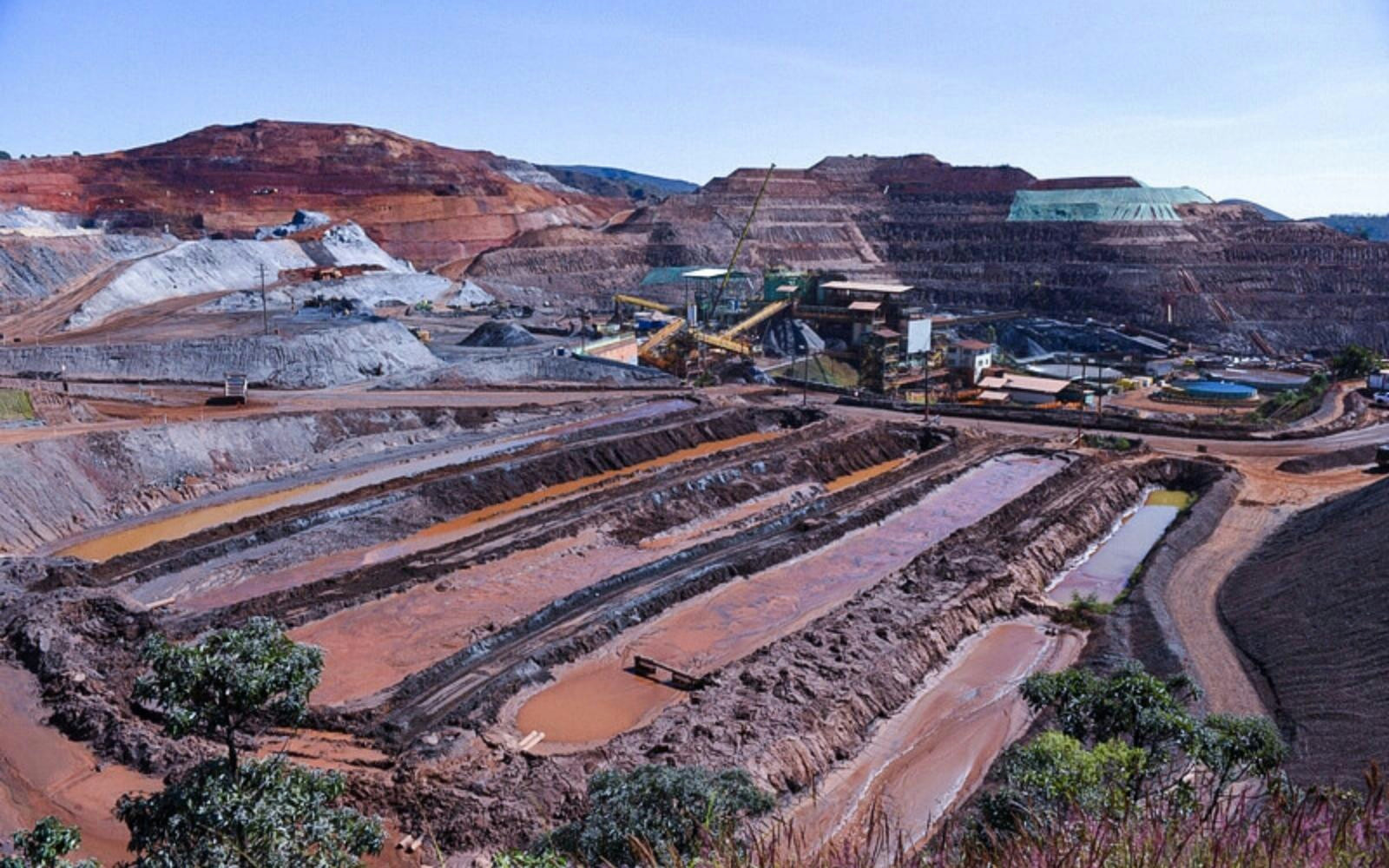
With the first largest reserve of manganese and the third of iron ore in Brazil, the state of Mato Grosso do Sul is expected to expand its mineral exploitation in 2022, considering that three miners are setting up in the state. 3A Mining and 4B Mining are in the municipality of Corumbá and will together produce 4 million tons of the iron ore mineral annually. The production chain is also betting on improving logistics with the return of the bidding process for the Malha Oeste railway.
The miners setting up in Mato Grosso do Sul are 3A Mining and MPP/4B Mining in Ladário and Corumbá in Morro Tromba dos Macacos and Morro do Rabicho. The other miner is São Francisco, which produces basalt powder in the city of Inocência. Together, the miners will generate more than 300 jobs and more income for the state of Mato Grosso do Sul.
Secretary Jaime Verruck from Semagro (Secretary of Environment, Economic Development, Production and Family Agriculture) reported that they are looking for new investors and talking to companies that already have approved research or permits for mining. Additionally, they are monitoring the negotiation with Vale and the player that will take over the space occupied by the company today in the state. The goal is for this new owner to expand the production of iron and manganese minerals in the coming years.
-
At 14 years old, she worked in a factory in Hong Kong, studied economics abroad, and then entered the Chinese real estate market, which helped change the landscape of Beijing.

-
While NATO secured more than $10 billion in missiles and space surveillance at a single forum, Brazil still spends 1.1% of its GDP on defense and is stalling its own anti-aircraft system.

-
Corn ethanol attracts R$ 23 billion in 21 new plants and prepares for a nearly 50% jump in Brazilian production by 2027, even with high interest rates.
-
A newly opened terminal in the middle of the Amazon has begun transporting soy and corn through Amapá, eyeing the queue of ships that is congesting the ports in the South.


According to Verruck, 4B Mining is already extracting iron ore. There are two iron ore miners and another focused on basalt crushing for the construction and agriculture industries, which are referred to as remineralizers, or Rock Powder.
Importance of Mining for the State
According to MaisMinas, the secretary also emphasized the importance of Vale for the mining in Mato Grosso do Sul and its contribution and model of a company for the state’s economy, in addition to expressing hope that the new investor will also measure up to a company the size of Vale.
Verruck indicated that the new player will come to make new investments in Mato Grosso do Sul, in addition to continuing this important product. Mato Grosso do Sul is a mining state and is also the seventh state in CFEM revenue, with minerals such as iron ore, phosphate, granite, manganese ore, marble, limestone, and basalt forming the basis of its economy.
Finally, the secretary confirmed that with the indication of the Malha Oeste concession itself and the railway authorization regime, along with the return of navigation on the Paraguay River, there is a prospect for an increase in the production and export of iron and manganese, as well as sending to the domestic market.
Challenges of the Mining Sector
The biggest challenge in the mining sector is financing projects in the country, particularly for small and medium-sized miners. Mato Grosso do Sul has the Constitutional Fund of the Midwest – FCO, which has the capacity to finance these companies.
Eduardo Pereira, executive secretary of the Mineral Productive Chain at Semagro, stated that they can release up to 80% through the FCO. The projects presented in Mato Grosso do Sul are generally from national funds, own resources, and private banks.
Pereira also explains that other investments in metallic minerals seek mechanisms that allow mining projects to move from paper to actual mining operations, such as equity participation and public fundraising, as well as investments through private funds. The executive secretary also points out that another commonly used financing model involves advance sales of ore (streaming).