Portuguese
  Spanish



Biosev Will Cease to Exist and Will Be Replaced by Raízen, Sugar and Ethanol Producer, Upon Completion of This Process
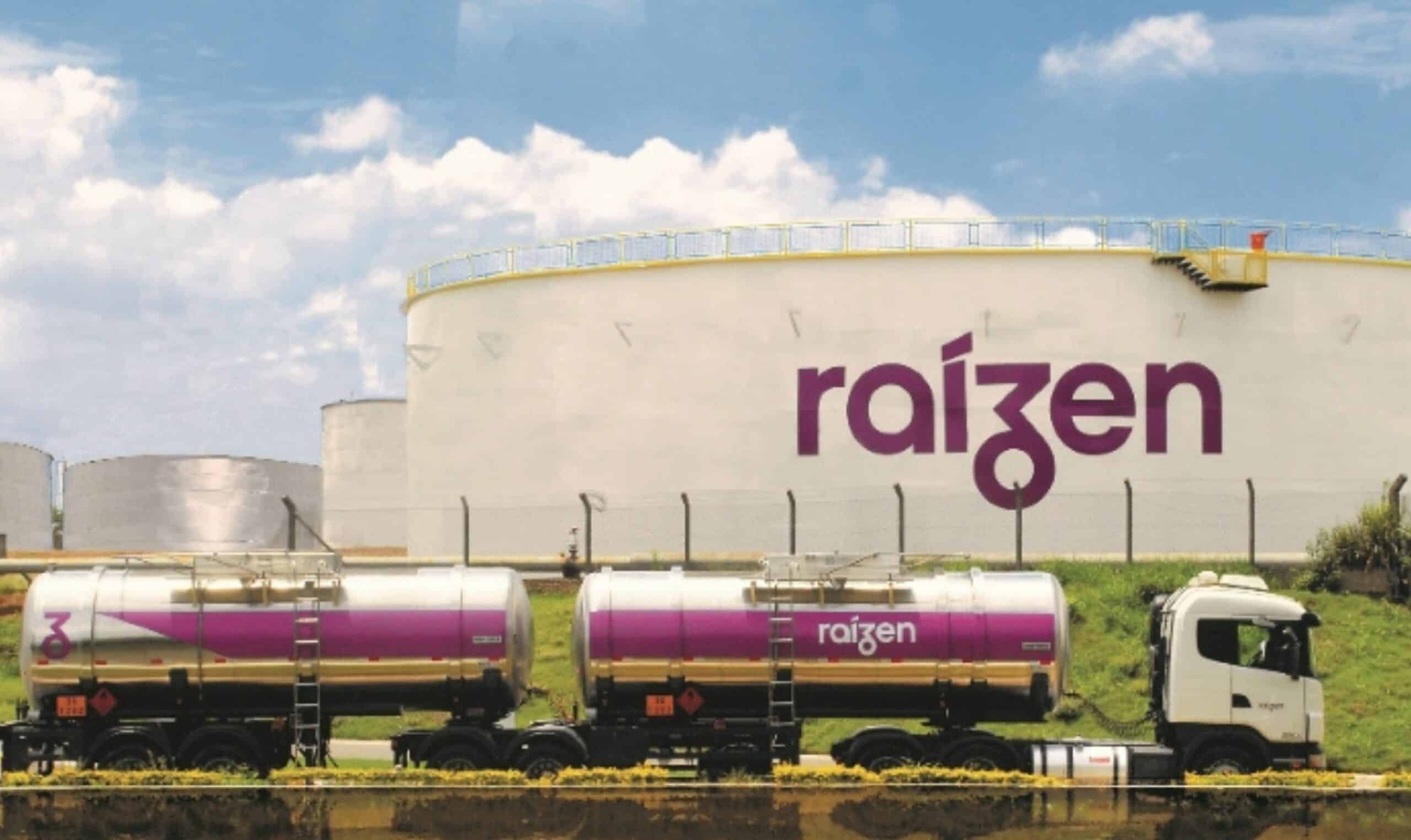
The sugar and ethanol producer, Raízen, completed the integration process of Biosev in April. Raízen enhanced its business with this acquisition agreement, strengthening and expanding its business model, as well as raising the industry’s profile in the sugar-energy sector.
Raízen’s Strategy
According to Revista Exame, Raízen, the sugar and ethanol producer, made a strategic move by combining with Biosev’s assets, thereby promoting operational efficiencies and synergies, expanding opportunities in biorefineries.
The biggest challenge for Raízen was incorporating the 10,000 employees who worked at nine Biosev plants within a period of less than nine months. The Biosev plants were located in São Paulo, Minas Gerais, and Mato Grosso do Sul.
-
At 14 years old, she worked in a factory in Hong Kong, studied economics abroad, and then entered the Chinese real estate market, which helped change the landscape of Beijing.

-
While NATO secured more than $10 billion in missiles and space surveillance at a single forum, Brazil still spends 1.1% of its GDP on defense and is stalling its own anti-aircraft system.

-
Corn ethanol attracts R$ 23 billion in 21 new plants and prepares for a nearly 50% jump in Brazilian production by 2027, even with high interest rates.
-
A newly opened terminal in the middle of the Amazon has begun transporting soy and corn through Amapá, eyeing the queue of ships that is congesting the ports in the South.


The new units have a combined cogeneration capacity and export capacity of 1,316 GWh of electricity. After integrating Biosev, Raízen now has 35 bioenergy parks.
Francis Queen, Executive Vice President of Raízen, the sugar and ethanol producer, states that “The acquisition of Biosev consolidated Raízen as an integrated energy company and a strategic partner in providing complete solutions for its clients, valuing quality and sustainability across its entire business chain.”
According to Francis, the units coming from Biosev are located in strategic places, which thus favor Raízen’s competitive business expansion.
From now on, Biosev will cease to exist and will display Raízen’s visual identity. Queen asserts that the assets of Biosev represent various scale gains for the company. With this synergy, it was possible to optimize operational, management, and capital costs across all of Raízen’s processes.
Raízen created a working group with about 200 people to ensure that the integration was completed in time. The group directly engaged in the review of structures, thus managing to leverage the best from each company.
During this period, Raízen conducted over 270 training sessions focused on new processes and systems. The company’s operations team dedicated 8,000 hours of training to implementing a new service permissions governance program, thereby allowing for standardization of processes and, as a consequence, reducing accidents.
Queen informs that the company is the result of a joint venture between Shell and Cosan. Thus, it is clear that due to the expertise of the ethanol and sugar producer, the entire integration process was well-structured. Therefore, the company planned a complete process, with significant communication challenges to assist in this change management.
Raízen has a robust expansion plan that values sustainable sources as a way to respond to a potential global need for effective changes in the sector, aiming to mitigate the impacts generated by climate change. This effort includes investment in bioelectricity, biocombustibles, and bioproducts, highlighting second-generation ethanol and biogas.
About the Company
Raízen is an integrated energy company. It is a global reference in bioenergy and a leader in energy transition. Raízen is among the largest privately-held business groups in Brazil, with more than 40,000 employees and 15,000 business partners.
The company has a unique operating model and is present in both the production and sale of renewable energy and sugar from sugarcane, as well as in delivering this energy to various places around the world. The company distributes ethanol and provides energy through Shell Stations.