Portuguese
  Spanish


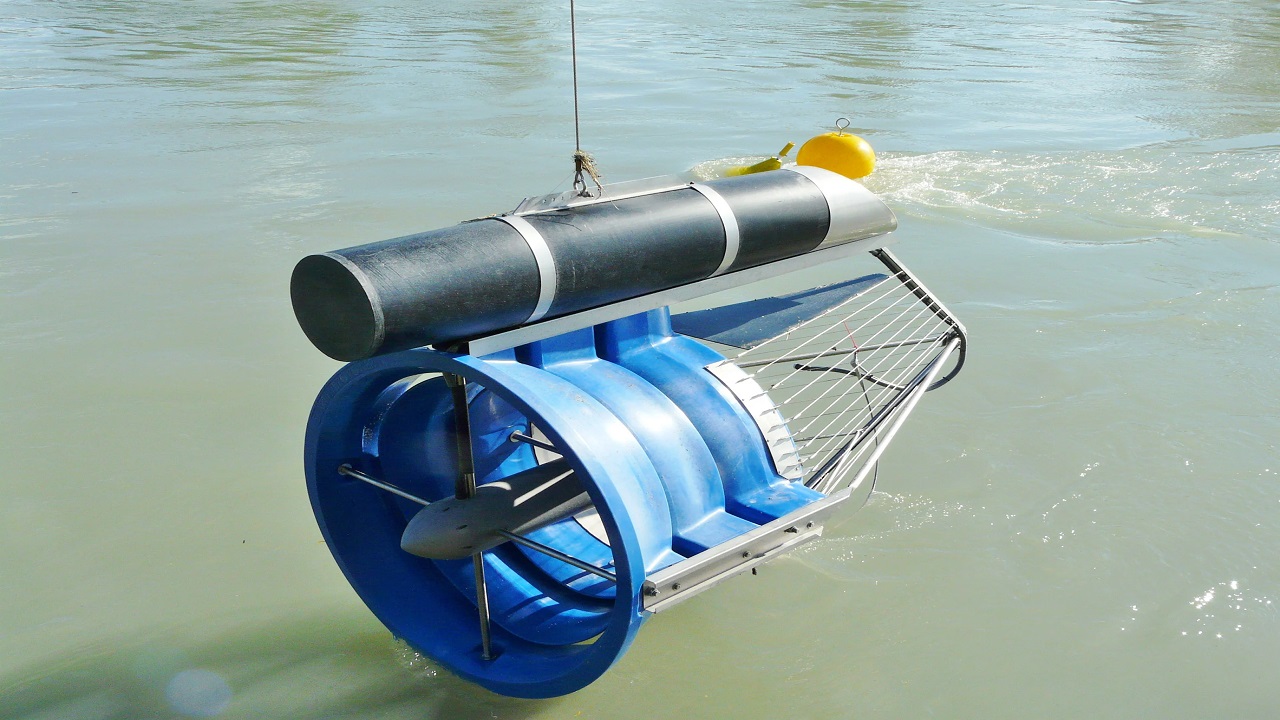

Smart Hydro Power Revolutionizes The Market And Develops Mini Hydroelectric Turbine Capable Of Generating Up To 8.5 Thousand kWh Per Month. Technology Promises To Reduce Environmental Damage.
A company from Germany took the initiative to develop a tiny hydroelectric turbine capable of using river flows as a source of clean and practical energy. This alternative to hydroelectric plants, which are generally harmful to rivers, was developed with the goal of generating clean energy in a more accessible model.
Mini Hydroelectric Turbine Aims To Reduce Dependence On A Single Source Of Clean Energy

Due to the abundance of water sources present in Brazil, this type of generation has a larger share in the total energy production. However, during the construction of plants and their entire connection structure, significant negative impacts on the environment are caused, and they often do not supply distant regions.
According to experts, there is a way to reduce dependence on a single source of energy: decentralization and diversification of production sources. Smart Hydro Power has been creating products focusing on this theme.
-
AI Video Generator Automatically Creates Subtitles and Animated Captions

-
São Paulo Unveils Latin America’s Largest Underground Reservoir, Holding 900 Million Liters, in the Greater São Paulo Area

-
Chinese Teen Wins Gold in Germany for Invention Turning Air Moisture into Underground Irrigation in Drought-Stricken Areas

-
Desertification Threatens Brazil’s Caatinga: 85% of Semi-Arid Region Affected, 30 Million at Risk, and Efforts Underway to Restore 10 Million Hectares by 2045




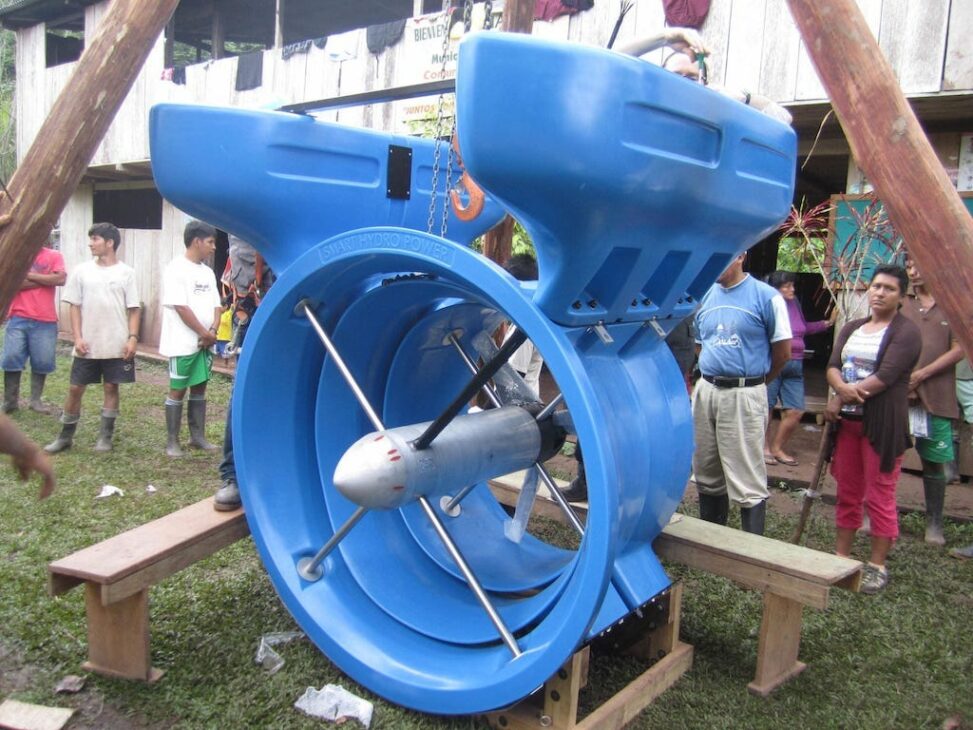
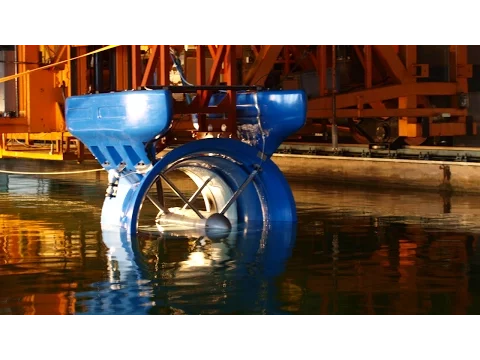
The mini hydroelectric turbine aims to transform the energy of moving rivers and other bodies of water into clean energy to power communities. This mini turbine has three blades of approximately 1 meter in diameter, which is connected to an electric generator to harness the kinetic energy generated by the water.
The product is designed to maximize production, and the device has been specially developed to increase water velocity as it passes through. Being compact and with quick installation, the device can be attached in channels with a minimum depth and width of two meters. This mini turbine has been built with a special shielding to protect against floating debris of various materials and sizes that may arise in the water. Additionally, the stainless steel cables prevent any waste from accumulating and harming the blades.
Small Hydroelectric Turbine Meets Demand For Up To 30 Houses
The model features a patented fastening system that allows its use on the riverbed, holding a bridge, or at the edge of a riverside block. With this product, clean energy generation is maintained consistently, as the amount generated depends on the local water flow.
The fastest flow generally results in greater energy generation. The German company claims that the advantages of the technology are significant, from low infrastructure investments to its maintenance-free operation. Additionally, it also offers the option to operate either completely autonomously or connected to the power grid.
According to the Ecoinventos website, a single hydroelectric turbine generates an average of 8,500 kWh per year, which is enough to meet the energy demands of 30 homes. The mini turbine proves to be an excellent alternative for remote areas that lack access to the power grid.
Brazilian Engineers Develop Hydroelectric Turbine
In 2018, two mechanical engineers from Curitiba developed a home micro hydroelectric plant, capable of supplying up to 4 households.
At the time, Juliano Rataiczyk and Felipe Wotecoski had developed a functional prototype, capable of generating significant savings on electricity bills. Since then, the engineers have developed other solutions and continue to create new products to meet the demands of more clients.
The engineers state that when the plant was developed in 2018, with its startup model in mind, they were still in the process of obtaining a minimum viable product, the first step to entering the market. Thus, after reports at the time, there was significant demand and large production, which was essential for the moment the startup was experiencing.