






 Portuguese
  Spanish


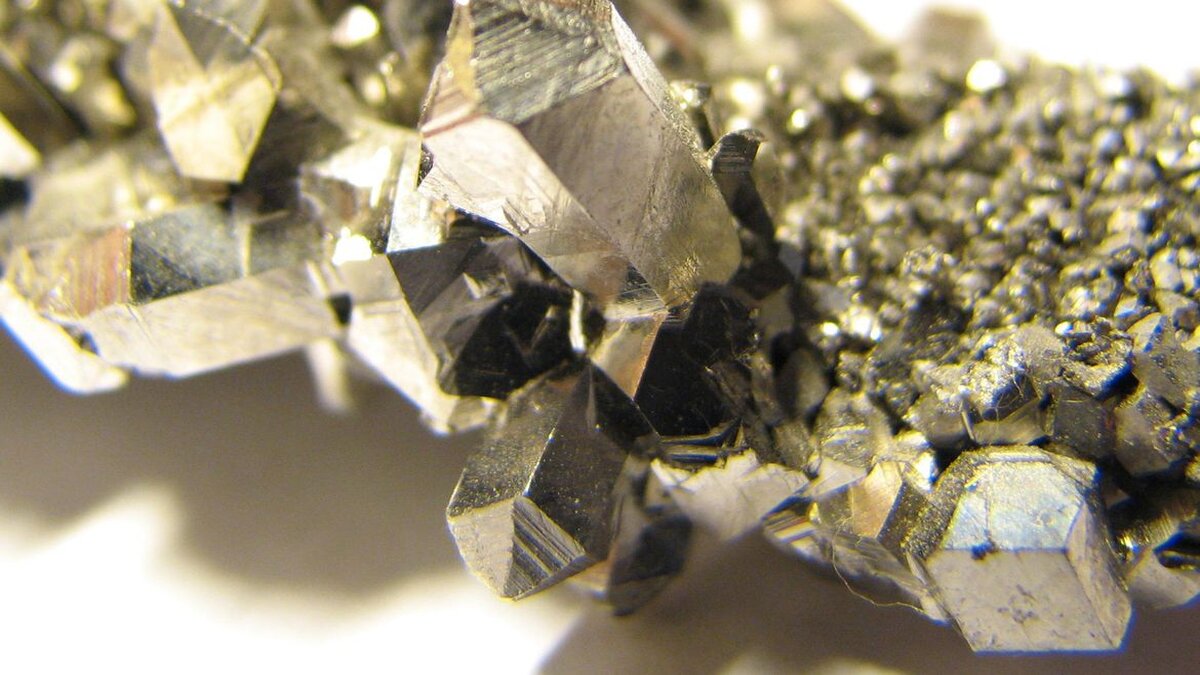

With a Variety of Uses in the National Industry, Niobium is the Main Focus of the New Initiative from MCTI, the InovaNióbio Program, Which Aims to Invest in the Application of the Material in High-Tech Products and Attract Enterprises Focused on This Raw Material.
The Ministry of Science, Technology and Innovations (MCTI) recently launched the InovaNióbio Program, announced during the publication of the Official Gazette of the Union (DOU) last Friday, (06/24). This is a project aimed at attracting investments in the production and exploration of niobium in Brazil, focusing on the application of the material in the national industry and, especially, in high-tech products, in addition to training researchers and companies focused on this raw material.
InovaNióbio Program is MCTI’s New Bet to Attract Investments to the Niobium Market and Expand the Application of the Product in the Industry and in High-Tech Products
One of the main minerals of Brazilian territory with various applications in industry, niobium now has federal support for its exploration and research in this sector, through the InovaNióbio Program, launched by the MCTI this week.
Thus, in addition to its use in industry, the project focuses on the use and applications of niobium in oxides, metals, alloys in materials, and high-tech products for both the national and international markets.
-
France Revamps 530 Social Housing Units with Large Balconies and Glass Facades Without Demolishing Existing Buildings

-
10-Year-Old Max Makes History with Paris Fashion Show, Launches Own Brand, Hires Staff, and Sets World Record as Youngest Runway Designer

-
Bolivian Female Construction Workers Form Association to Combat Discrimination and 38% Pay Gap in the Industry
-
Near Amsterdam, residents buy land and discover they must also build streets, manage drainage, handle waste, and grow food on half their plot.




To this end, the Federal Government, through the MCTI, intends to stimulate the niobium market in Brazil, opening the discussion about its relevance in the industrial sector and bringing training to the country regarding technology-focused applications. This is because, being a transition metal, niobium can be used for producing cars, building structures and bridges, aircraft turbines, magnetic resonance imaging devices, pacemakers, space probes, and various other products.
Brazil is the world leader in the production and exploration of the product, accounting for about 90% of global production of the mineral. Therefore, the MCTI aims to bring the InovaNióbio Program to promote research and studies focused on this material as a way to encourage its application in high-tech products.
In addition to contributing to the development of the mineral sector, the program will also attract new job opportunities for the country, with enterprises that will be established in the national territory for the production of the mineral.
Scientific Research, Technological Innovation, and Entrepreneurship are Some of the Objectives of MCTI with the Launch of the InovaNióbio Program in Brazil
The MCTI seeks to invest in projects aimed at scientific and technological training in national territory, and the InovaNióbio Program is no exception. Thus, the initiative aims to stimulate the development and transfer of knowledge, new technologies, and business models among research institutions and the public and private sectors. The goal is for the industrial and scientific research sectors to work together to make the niobium market even more profitable in Brazil.
Furthermore, the government will also support individuals and companies that are developing research and projects aimed at the mineral, as a way to promote training in this segment. This is because, after the 1st Brazilian Niobium Fair held last year in Campinas, São Paulo state, the National Center for Energy and Materials Research (CNPEM) and the Brazilian Company for Metallurgy and Mining signed an agreement to attract incentives for niobium in Brazil, in order to expand the use of the material in high-tech products.
Thus, the Federal Government aims to make Brazil even more relevant in the international market regarding the commercialization of niobium and its use in modern and technological products. Therefore, research and incentives for science in the country can grow in line with economic expansion over the coming years.








