Portuguese
  Spanish


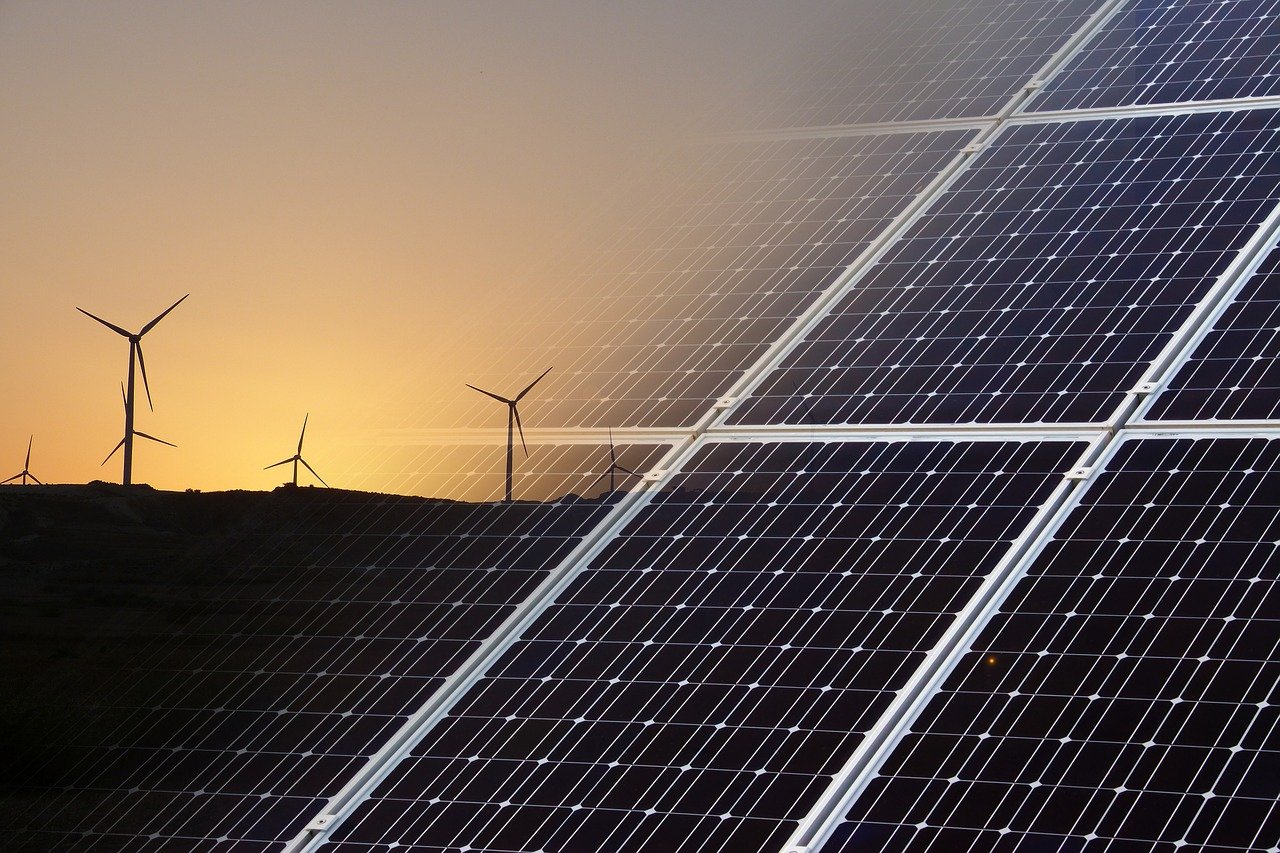

The Public Call of the Ministry of Mines and Energy (MME) Gathered a Total of 32 Suggestions from Agencies and Companies in the Electric Sector Regarding the Valuation Process of Distributed Energy Generation in Brazil, Aiming to Contribute to an Expansion of This Generation Model in the Coming Years.
The Ministry of Mines and Energy (MME) has 32 suggestions from companies and organizations in the national electric sector for the valuation process of distributed generation of energy in Brazil. Following the conclusion of the public consultation for receiving contributions on July 15, the MME compiled all suggestions and announced the key information regarding the contributions from agents such as Inel, Abrace, and ABGD.
Public Consultation for Receiving Suggestions from the Electric Sector for the Valuation of Distributed Energy Generation in Brazil Successfully Completed by the MME
The Ministry of Mines and Energy (MME) recently announced that it received a total of 32 contributions from agents in the national electric sector to improve the valuation process of distributed energy generation in the country, following the completion of the public consultation for receiving suggestions from agencies and companies in the sector.
The opening of the public consultation by the MME for receiving suggestions for the valuation of distributed generation occurred on June 23, and the deadline for submitting contributions was until July 15 of this month. This public consultation serves as a follow-up to Law 14.300/2022, which was enacted in January, removing subsidies for self-generation while preserving current rules until 2045 for already installed systems, and is expected to greatly contribute to the sector.
-
Fired during apartheid and with a little borrowed money, an electrician started with a borrowed truck and transformed electrical services into a group connected to energy, real estate, and infrastructure in South Africa.

-
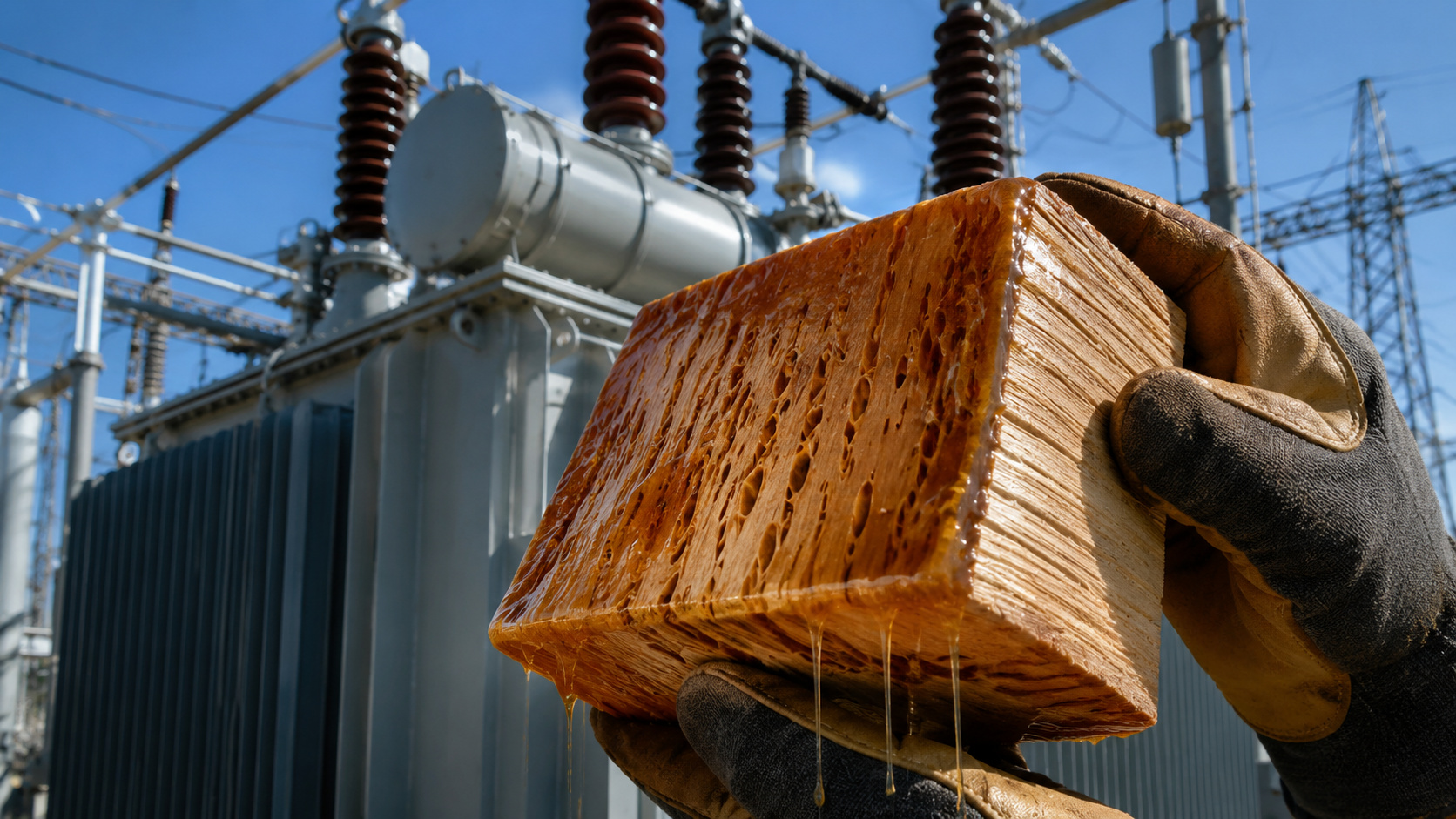
Wood has ceased to be just a construction material in Yale research and has become insulation for electrical transformers that face intense heat, aging, and increasing pressure from the renewable energy-powered grid.
-
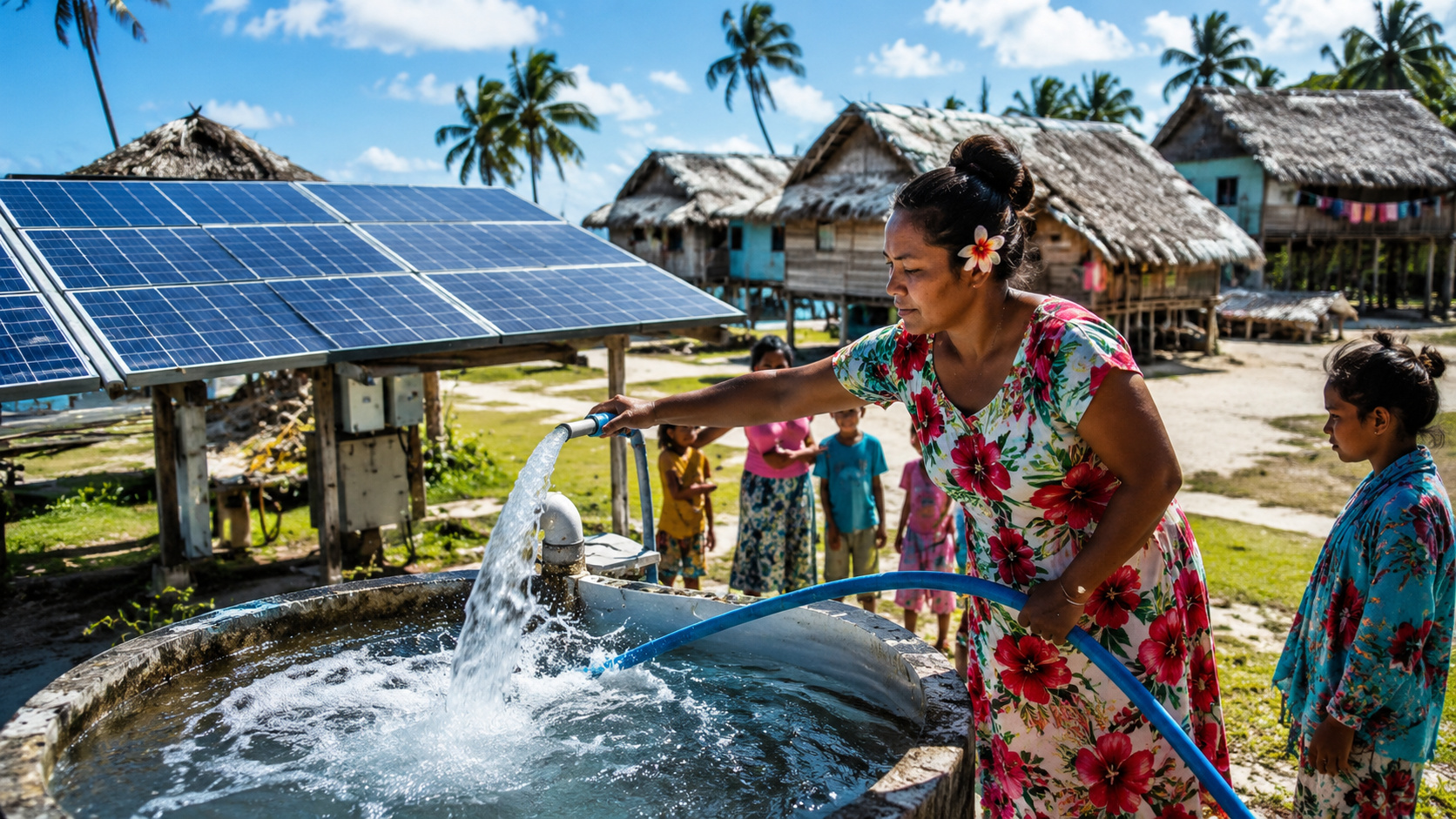
More than 1,000 residents of a remote island in Kiribati now have clean water and electricity with solar systems operated by the community itself.
-
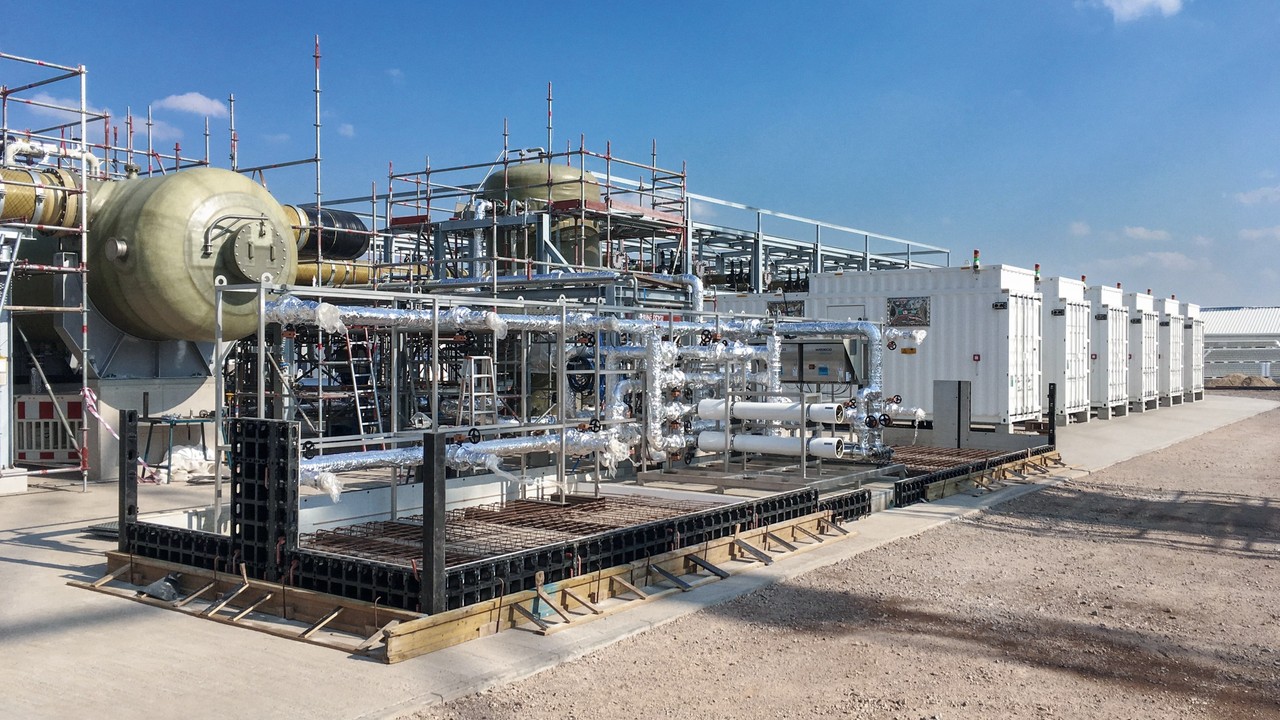
Ceará brings together 7 giants and R$ 66 billion to transform Pecém into the largest green hydrogen hub in Brazil, with final decisions expected by the end of 2026.


This is because, in an effort to compensate for the removal of incentives, the new legal framework for distributed energy generation in Brazil designated 18 months for the National Energy Policy Council (CNPE) and Aneel to establish guidelines and rules for cost and benefit valuation, allowing the electric sector to contribute with its suggestions to make this process even more efficient.
Check Out the Main Suggestions from Electric Sector Agents Delivered to the MME for the Valuation Process of Distributed Generation in the Country
Among the main companies and agencies in the electric sector participating in the public consultation for the valuation of distributed generation, the Brazilian Association of Distributed Generation (ABGD) was the most involved in the process and presented twenty proposals for Aneel’s analysis. These included suggestions such as accelerating the energy digitalization process; valuing energy and food security; in addition to ensuring the universalization of energy.
Another highly relevant agent in the national electric sector, the Brazilian Association of Energy Traders (Abraceel), contributed to the public consultation on energy and suggested, among its contributions, the promotion of a “correct signaling for consumers,” thus ensuring greater awareness in the consumption process of distributed generation, contributing to the growth of this market.
The Association of Large Industrial Energy Consumers and Free Consumers (Abrace) suggested, among its contributions, the reduction of the cross-subsidy between consumers who have distributed generation and those who do not. The Brazilian Association of Photovoltaic Solar Energy (Absolar) also made its contributions, including the disclosure of all surcharges present in electricity bills and the valuation of reduced risks associated with fluctuations in fuel prices and exchange rates.
Also present in the public consultation for the electric sector were the agencies and companies the Brazilian Association of Electric Energy Distributors (Abradee), the Brazilian Institute for Consumer Defense (Idec), EDP, the National Institute of Clean Energy (Inel), and the Renewable Energy Forum.