Portuguese
  Spanish


Brazil Bets on the Largest Production of Oil and Gas to Ensure Energy Autonomy and Sustain Energy Transition in a Sustainable Way.
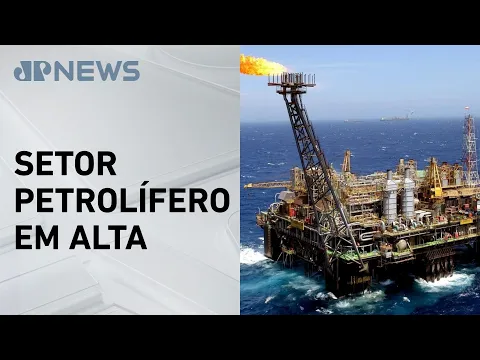
Brazil has consolidated itself in recent decades as one of the largest producers of oil and natural gas in the world. Currently, it ranks eighth in the global crude oil production ranking. Therefore, with the prospect of reaching fourth place by 2031, the country needs to maintain strategic investments. This growth reflects not only technological expansion and investments in exploration but also the economic and strategic relevance of these resources for national energy security.
The pursuit of the largest production of oil and gas in Brazil dates back to the 1950s when the government created Petrobras with the mission of exploring, producing, and refining oil in the country. Since then, the country has gone through different phases of oil sector development. Thus, it faced periods of scarcity, economic crises, and technological advancements that allowed the exploration of deep reserves, such as those in the pre-salt layer. This history demonstrates, therefore, how the production of oil and gas has always accompanied the need to ensure Brazil’s energy autonomy.
The strategic role of oil is also reflected in the country’s trade balance. For decades, domestic production has helped to reduce dependence on imports and has strengthened the national industry. Moreover, even in times of international crisis, Brazil maintained its position thanks to continuous investments in exploration and refining technology. Consequently, it established itself as a regional reference in energy.
-
OPEC+ Boosts Oil Supply by 188,000 Barrels per Day in July 2026, Leading to Price Drop from $112 to $89 per Barrel in Under Two Months

-
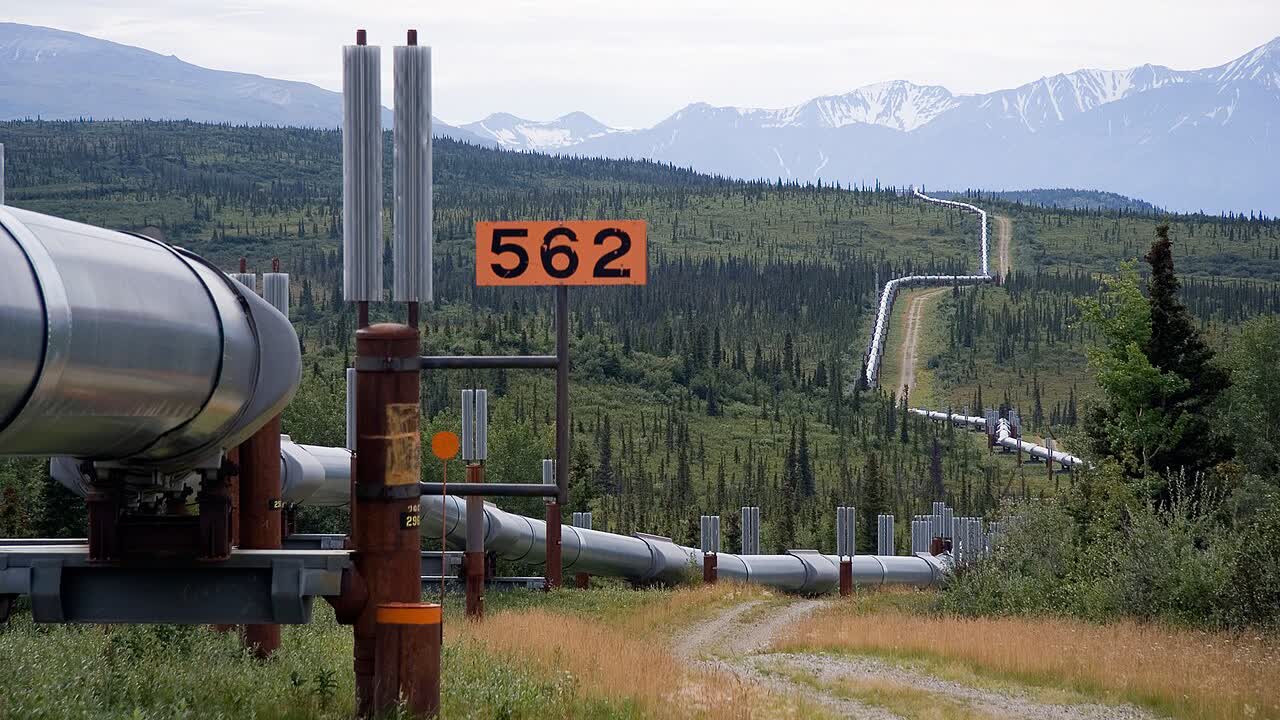
TotalEnergies Signs 20-Year Deal to Purchase 2 Million Tons of LNG from Alaska, Boosting Project Viability
-
Turkey Deploys Çağrı Bey Drilling Ship to Explore New Oil Frontier Off Somalia’s Coast
-
Golden Pass LNG Ships First Liquefied Gas Cargo from the U.S., Completing $10 Billion QatarEnergy and ExxonMobil Investment

Largest Production of Oil and Gas: Efforts by the Ministry of Mines and Energy and Challenges of the Energy Transition
In a recent hearing of the Industry and Commerce Committee of the Chamber of Deputies, held on August 12, the Ministry of Mines and Energy highlighted the importance of expanding the exploration of new oil and natural gas blocks. However, even in the face of the transition to cleaner and more sustainable energy sources, the sector needs to advance consistently. The area’s director, Carlos Agenor Cabral, emphasized that the world will continue to demand oil until 2050. Thus, Brazil cannot give up its energy self-sufficiency.
The country already shows significant numbers. In the last year, daily oil production reached 3.3 million barrels, while reserves totaled 16.8 billion barrels, representing a 6% growth compared to the previous year. Natural gas production also remained relevant, reaching 153 million cubic meters per day. Together, oil and gas contributed almost R$ 100 billion in royalties and special participation. In other words, they demonstrate a direct impact on state revenue and economic development.
However, strengthening the largest production of oil and gas depends on success in exploring new energy frontiers. Areas such as the Equatorial Margin, involving the Amazon River Basin, and the Pelotas Basin, along the coast of Rio Grande do Sul, are strategic for the future of the sector. In the Equatorial Margin, estimates indicate about 10 billion barrels of oil, with projected investments of US$ 56 billion and state revenue of approximately US$ 200 billion. The Pelotas Basin already has contracts for about 50 exploration blocks. Thus, it represents a significant growth potential.
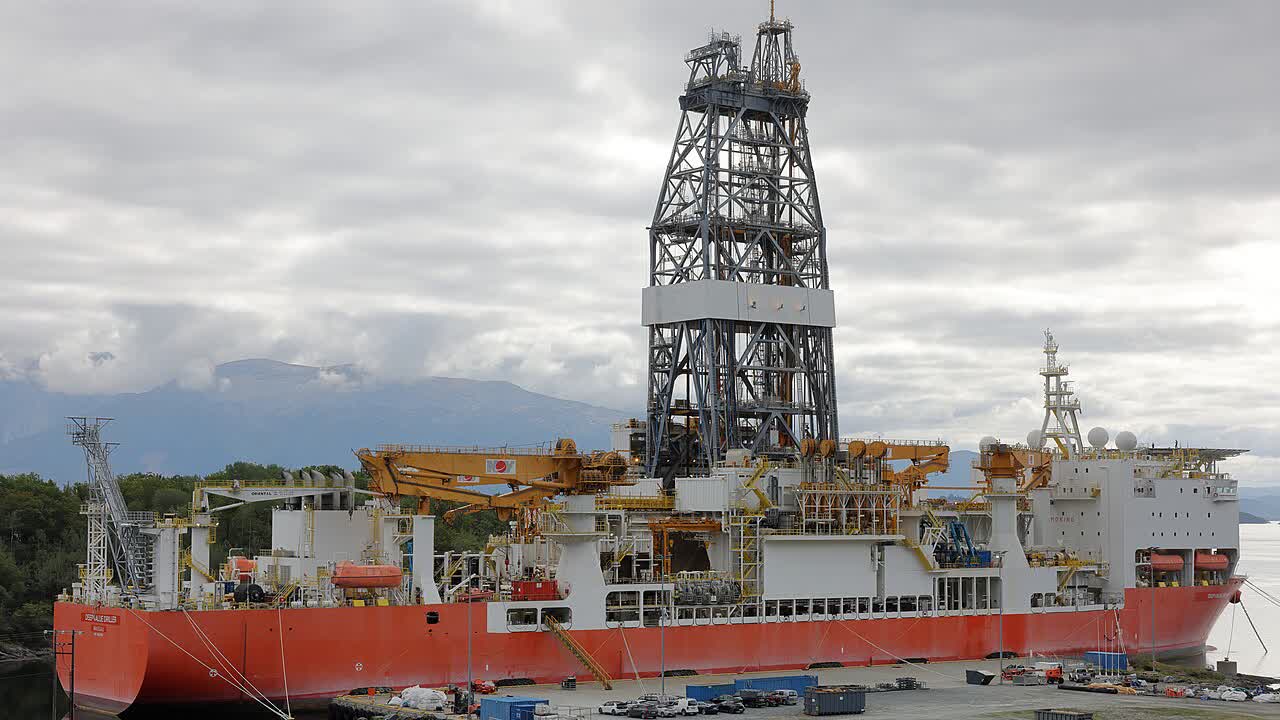
Furthermore, exploring these regions requires investments in infrastructure and cutting-edge technology. Floating platforms, advanced drilling systems, and integrated logistics enable production in deep waters and environmentally sensitive areas. Consequently, they ensure operational efficiency and safety.
Environmental Responsibility and Technological Innovation
The advancement of these projects faces environmental challenges. The Equatorial Margin, for example, is an environmentally sensitive area, which requires strict preservation measures. Recently, Ibama approved the Fauna Protection Plan Project, and now the Pre-Operational Assessment (APO) is awaited, the final step before granting an environmental license for drilling wells. These procedures show that Brazil seeks to reconcile oil and gas production with environmental responsibility.
In addition to the environmental aspect, energy efficiency and carbon emission reduction assume a central role in sector policy. In fact, national production already shows low carbon emissions compared to the global average, with emissions of 10 to 13 kg of CO2e per barrel equivalent. Meanwhile, the global average stands at 19 kg. The country also invests in decarbonization and carbon capture technologies, such as BECCS, CCS, and CCUS. The goal is to achieve carbon neutrality by 2050. This approach proves that it is possible to increase the production of oil and gas responsibly and sustainably.
Furthermore, technological innovation goes beyond emission control. New digital monitoring methods, artificial intelligence in drilling, and logistical optimization allow for reduced costs and increased productivity. Thus, the sector becomes more competitive internationally.
Strategic Importance for the Economy and Energy Security
Experts emphasize the importance of maintaining Brazil’s energy autonomy. Pedro Alem, industrial policy manager at the Brazilian Institute of Oil and Gas (IBP), warns that a lack of new reserves could turn the country into an oil importer by 2040. Consequently, this would generate serious fiscal challenges. Jorge Boeira, an analyst at the Brazilian Agency for Industrial Development, highlights that many people still believe that oil and gas are not part of the energy transition. However, in practice, transitions do not occur rapidly, and the energy production structure requires planning and continuous investments.
The debate in the National Congress also highlighted the need for public policies that support the industry, job creation, and professional training. Congressman Alexandre Lindenmeyer (PT-RS) stated that, despite the complexities of the moment, it is possible to strengthen the national industry, taking advantage of opportunities for growth and technological modernization.
The Ministry of Development mapped total investments of R$ 3.8 trillion in the energy sector by 2034. Of this amount, R$ 2.5 trillion will go directly to oil and gas production, while R$ 260 billion will be allocated to fuels of the future and R$ 130 billion to electromobility. These figures reinforce the country’s commitment to maintaining the largest production of oil and gas while diversifying its energy matrix.
Equally important, strengthening the national supply chain creates opportunities for equipment production, engineering services, and applied technology. Thus, it generates jobs and increases Brazil’s competitiveness in the international market.
The Historical Role and Future of the Brazilian Energy Sector
Historically, oil and natural gas have played a fundamental role in Brazil’s industrial and economic development. Since the 1970s, with the growth of the petrochemical industry and the expansion of refining infrastructure, to recent advances in pre-salt exploration, the sector has propelled economic progress. The prospect of further increasing national production ensures not only energy security but also wealth and job creation.
Moreover, Brazil’s potential in biofuels and renewable sources reinforces the strategic position of the country in the global scenario. By combining the largest production of oil and gas with investments in clean technologies and a planned energy transition, the country maintains its international competitiveness and contributes to a more sustainable energy model.
Brazil’s trajectory shows that it is possible to grow responsibly, balancing the exploration of fossil resources with environmental protection and climate commitment. The Ministry of Mines and Energy makes it clear that maintaining and expanding national oil and gas production is essential to ensure autonomy, economic development, and active participation in the global energy transition.
In summary, the pursuit of the largest production of oil and gas in Brazil is not limited to economic issues. It involves strategy, history, and the environment. Consequently, it ensures that the country remains self-sufficient, competitive, and ready to face the energy challenges of the 21st century. Thus, it consolidates its role as a global protagonist in the production and management of energy resources.