






 Portuguese
  Spanish


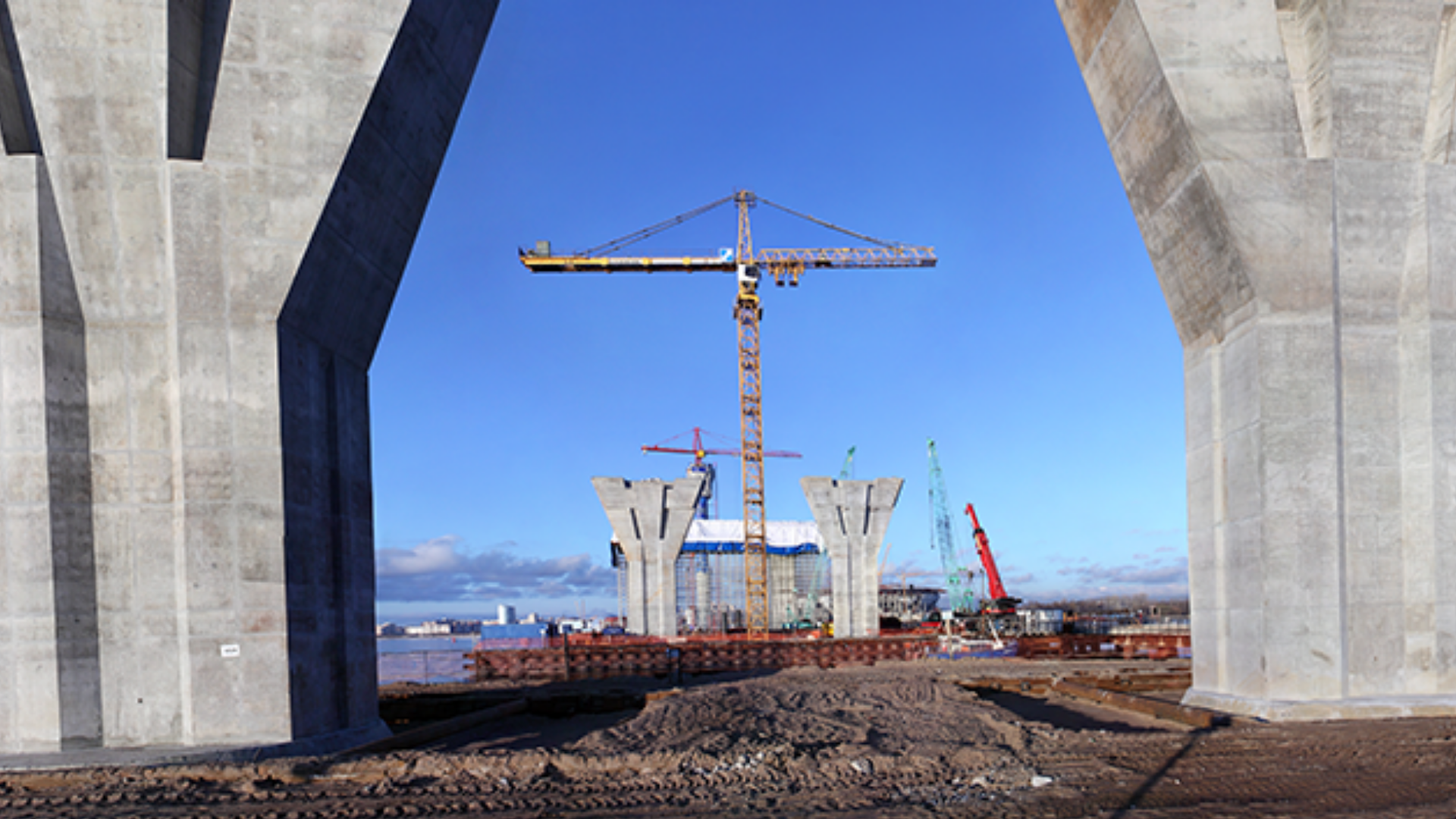

In Addition To Mentioning Investments, Infrastructure Minister Tarcísio Freitas Highlights That Only In The First Half, The Government Delivered 51 Works
On the last day of June 30, in an interview granted to “A Voz do Brasil”, the Minister of Infrastructure Tarcísio de Freitas emphasized that the Federal Government aims to reach around R$ 250 billion in investments through concessions in the transport sector by the end of 2022. Also see: R$ 100 billion in investments is projected this year with infrastructure auctions for airports, ports, roads, and railways
Infrastructure Minister Highlights Projects Delivered In The First Half
Only in the first half of this year, 51 transport infrastructure projects were delivered throughout the country by the Federal Government. These projects improve logistics and bring more efficiency and safety to road, rail, air, and waterway transport. The federal investment during this period was over R$ 3 billion in new enterprises and in the resumption of halted works. The balance was announced on Friday (2) by the Ministry of Infrastructure.
During this period, it was possible to deliver the restoration and completion of highways, build port facilities, and invest in airport improvements. In the first six months, R$ 18.89 billion in investments were contracted. Tarcísio also states that one of the ministry’s objectives is to integrate the territory, bring logistics to those who need it, internalize this logistics, give efficiency to those productive centers, and induce development in those less developed regions.
-
Brazil to Issue “Panda Bonds” in China, Aiming to Raise Up to 5 Billion Yuan at Lower Interest Rates Than Dollar Debt
-
NATO Faces Internal Tensions as U.S. Pushes for Increased Defense Spending, Targeting 5% of GDP by 2035, with Warnings for Countries Near 2% Level

-
Brazil to Introduce B16 Diesel with Increased Soybean Oil Content for Trucks by 2026
-
Brazil’s July Bolsa Família Payments May Include Extra $150 and $50 for Families with Children, Pregnant Women, and Updated CadÚnico Registration


Highways, Railways, Airports, and Ports
From January to June, 927 kilometers of paved, duplicated, and reconstructed highways were delivered. In 2021, there was a 13.7% increase in cargo transport by railways, and the goal is to reach 2035 with almost 40% of rail transport in total transportation.
In airports, R$ 130 million were invested in improvements at the airports of Foz do Iguaçu (PR) and Navegantes (SC). In ports and waterways, R$ 35 million were employed, with initiatives such as the resumption of operations at the Sobradinho lock on the São Francisco River.
See Details From The Infrastructure Minister’s Interview:
In April of this year, the so-called Infraweek yielded new concessions. How much has Brazil guaranteed in investments this year?
“We have been making significant progress in attracting private investment, which is essential in a fiscal constraint scenario to achieve our goal, which is to reduce the infrastructure gap. The auctions in April were a success. We auctioned 22 airports, one railway, and five port terminals. We closed the month with one highway and, just in April, we contracted R$ 30 billion in new investments. In total, since the beginning of President Bolsonaro’s government, from 2019 to now, 70 assets have been auctioned. There are over R$ 80 billion in contracted investments. This will generate, in the end, a large number of direct and indirect jobs and jobs through income effects.”
Has The Brazilian Concessions Model Proven Attractive To Investors?
“Without a doubt. Investors have praised the way we divide the risk. Our models today, the Brazilian models, are among the most sophisticated in the world, and that is why we have been able to attract investors in infrastructure, exceeding expectations in each auction held.”


Source: Government of Brazil







