Portuguese
  Spanish


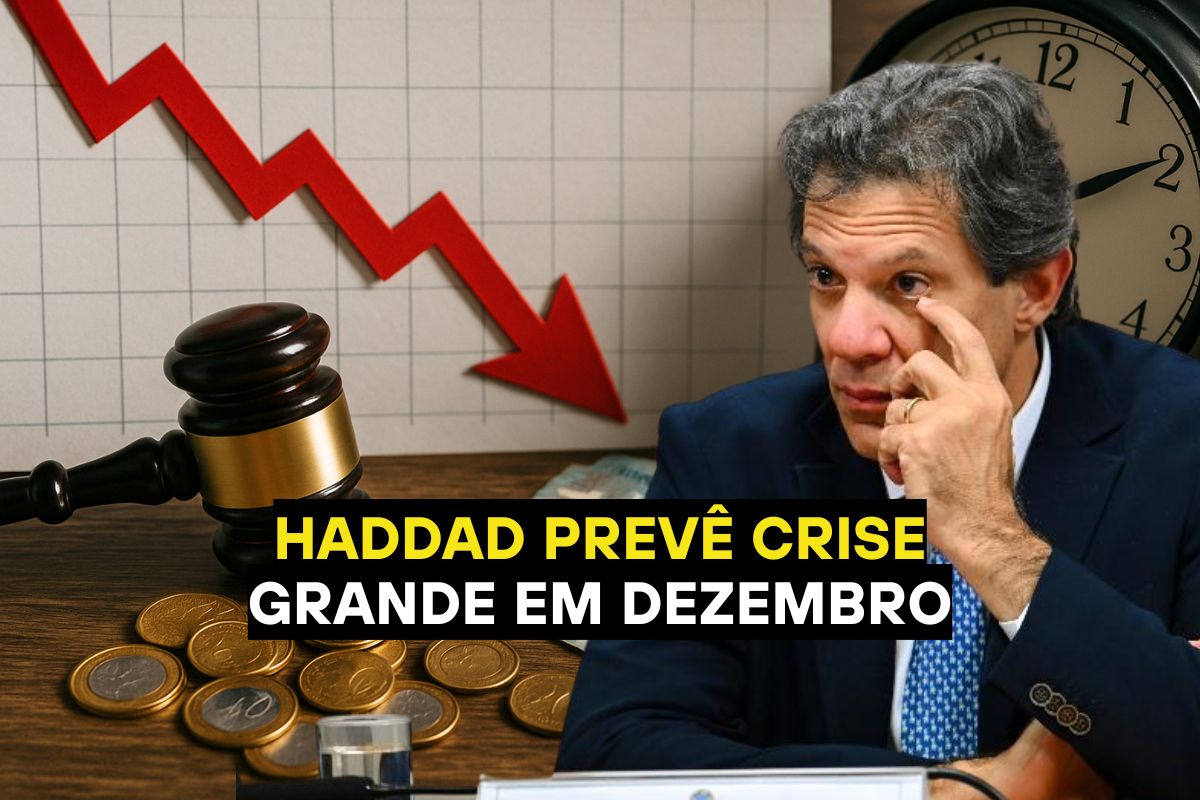


Minister Fernando Haddad Criticizes Turbulent Transition at the Central Bank, Reaffirms Confidence in Gabriel Galípolo, and Says That the Selic Rate of 15% Is Unjustified Given the Inflation Scenario Within the Target.
The Minister of Finance, Fernando Haddad, stated that the last command transition at the Central Bank was marked by a “big crisis in December” and that the complete history of the process will still be revealed. In an interview with ICL, he classified the replacement of Roberto Campos Neto by Gabriel Galípolo as “very complex” and surrounded by political and institutional turbulence.
Haddad also declared that there is room for the Selic rate to fall, currently at 15% per year, the highest level in nearly two decades. For the minister, inflation should end 2025 equal to or lower than last year, remaining within the target system, which strengthens the argument for monetary easing.
Crisis in the Transition at the Central Bank
According to Haddad, the transition of leadership at the BC was atypical because the government coexisted for two years with a president appointed by the previous administration.
-
Brazil’s 2026 Tax Refund: Record 9.58 Million Filers in Largest Payout Ever, But a Key Detail on Priority Recipients Draws Nationwide Attention

-
Itaú Alters Hybrid Work Model, Increasing Office Days from 2028, Prompting Employees to Adjust to New Routine
-
Facing Labor Shortage, Japan Plans to Invest $34 Million to Attract Foreign Workers in Construction, Healthcare, Industry, and Commerce

-
Brazilian City Makes Remarkable Leap, Becomes 4th Wealthiest in the Country with GDP of R$ 134.1 Billion




This period, he said, was marked by “artificially constructed” crises, which the economic team needed to navigate week after week.
The minister highlighted that Galípolo inherited a problem and assumed amid a context of political instability.
“It was a very complex transition, it has not been properly diagnosed yet. But in the future, those involved will be able to tell what really happened,” he stated.
Unrevealed Background


Haddad suggested that the background of the command change involves episodes that occurred in financial institutions and even in Washington.
“This will come to light at the right moment”, he said, reinforcing that the complete narrative about the period will be clarified later.
Despite the criticisms, the minister emphasized the competence of the current BC board and guaranteed confidence in the decisions of the Copom.
“No one there is joking. All the indications were technical and respected by the market,” he said.
High Interest Rates and Tolerance for “Errors to the Upside”
Regarding monetary policy, Haddad criticized the Selic rate, which he considers excessive.
“I don’t think it’s justifiable for interest rates to be at 15%”, he stated, pointing out that a significant part of the financial market shares this view.
For him, Brazil has a “tolerance for errors to the upside” in the interest rate, which, in addition to hindering investments, can harm inflation itself by restricting the supply of goods and services.
“Errors to the upside are not acceptable. They can generate other types of problems,” he warned.
Inflation Within the Target and Prospects for Cuts
Haddad assessed that the current scenario already shows a loss of strength in prices and reinforced that inflation should be equal to or lower than in 2024, even after the pressure from the exchange rate at the end of last year.
“The IPCA is already returning to levels close to the upper limit of the tolerance band,” he claimed.
With inflation under control, the minister believes that there is room for Copom to reduce the Selic and adopt a “more precise trajectory,” without excesses upwards or downwards.
For him, Galípolo will have the time and conditions to deliver consistent results during his tenure.
The statements by Fernando Haddad put the future of Brazilian monetary policy into debate: on one side, the need to reduce interest rates to stimulate investments; on the other, the pressure to maintain caution in an electoral year.
And you, do you believe there is already room for a cut in the Selic or do you think the Central Bank should wait for more signals from the economy? Leave your opinion in the comments — your perspective helps enrich this debate.