






 Portuguese
  Spanish


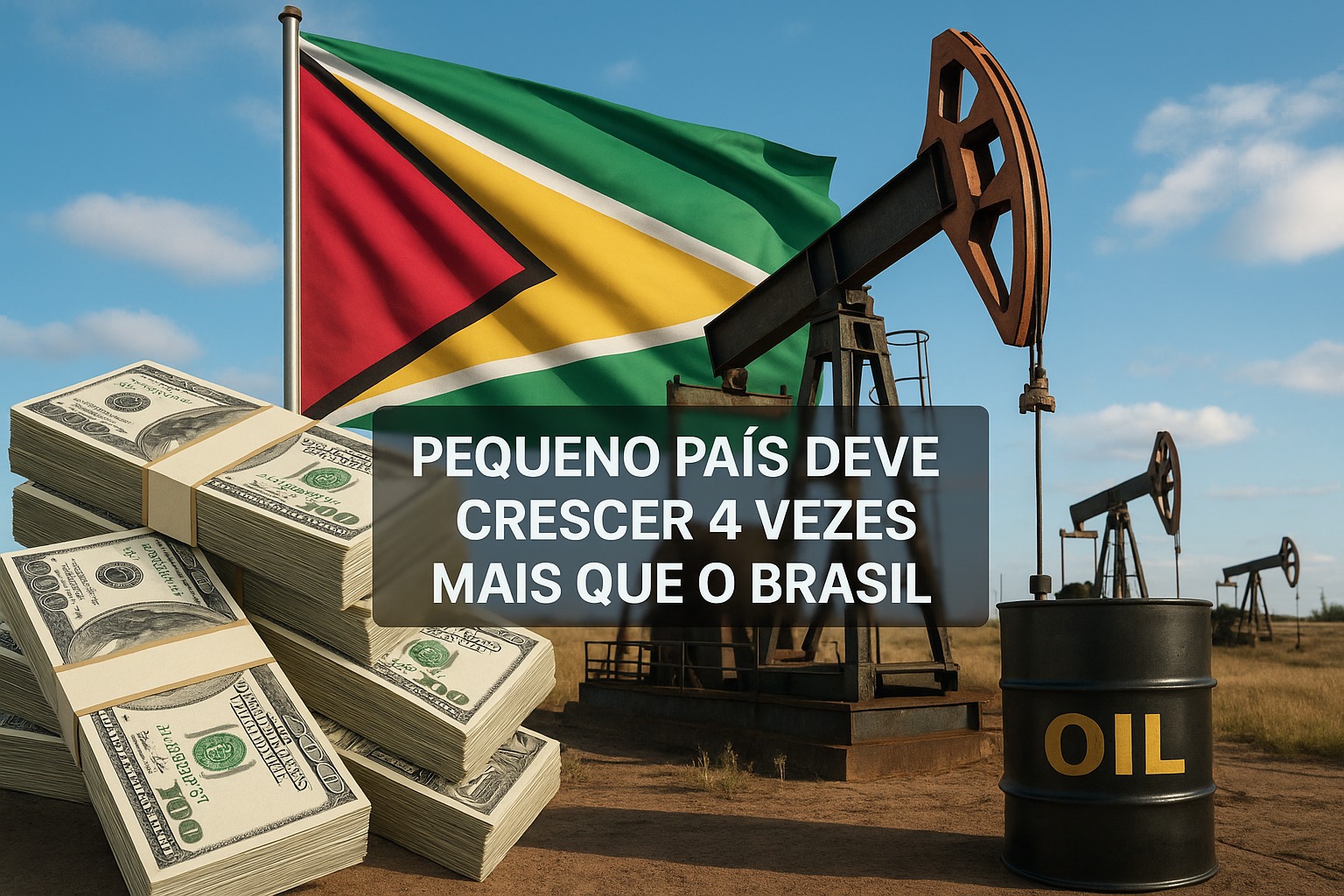


With projected growth of 10.3% in 2025 and production of 650,000 barrels daily, Guyana is experiencing an economic boom driven by oil. However, this progress raises tensions with Venezuela and attracts the attention of the United States to the region.
The small South American country of Guyana has been attracting global attention due to its unprecedented economic growth.
Driven by discoveries of large oil reserves, the former British colony is undergoing a boom that has transformed its economy in just a few years.
-
Qantas and Airbus Invest in Company Aiming to Convert Unsorted Household Trash into Jet Fuel

-
Brazil’s ANP Opens 86 New Oil Blocks in the Equatorial Margin, Expanding the Amazon River Mouth Frontier

-
OPEC+ Boosts Oil Supply by 188,000 Barrels per Day in July 2026, Leading to Price Drop from $112 to $89 per Barrel in Under Two Months

-
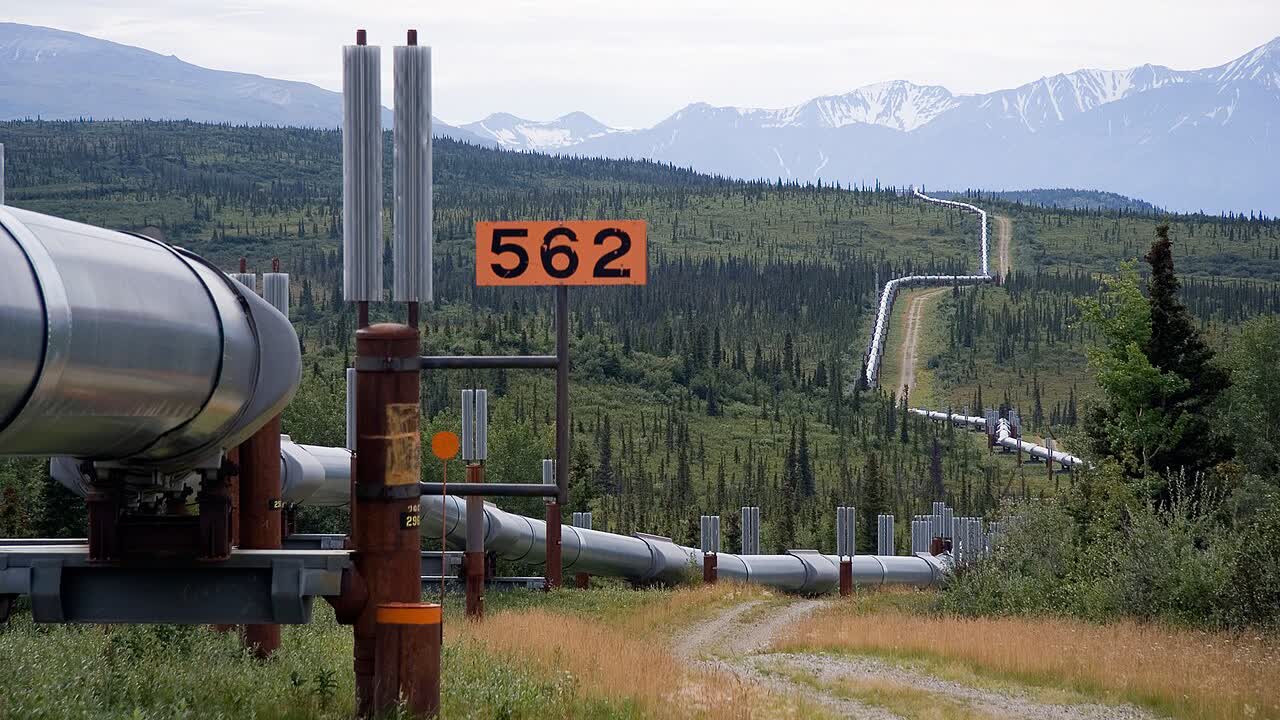
TotalEnergies Signs 20-Year Deal to Purchase 2 Million Tons of LNG from Alaska, Boosting Project Viability

According to the IMF (International Monetary Fund), Guyana is expected to grow 10.3% in 2025. For comparison, Brazil, the largest economy in the region, is expected to advance only 2.5% — four times less.
Oil Boom
Until 2019, the country produced not even a drop of oil. Today, it extracts about 650,000 barrels per day (bpd) and plans to more than double this volume in the coming years.
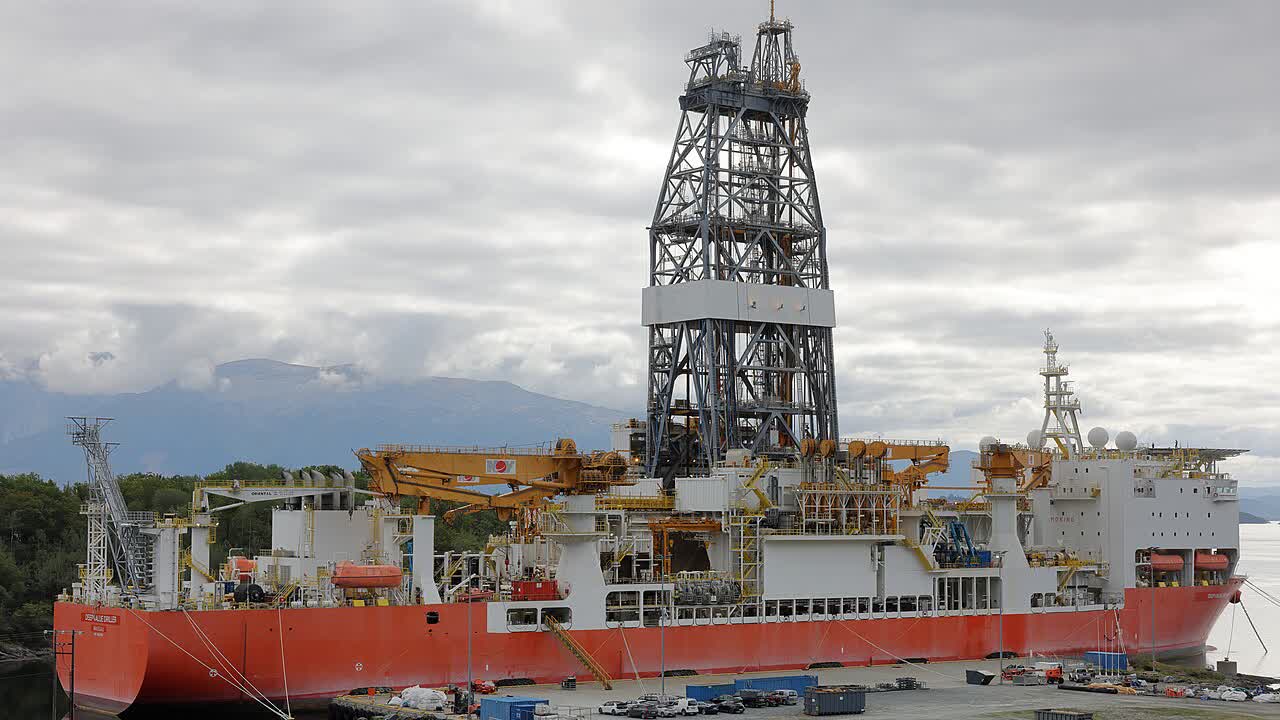
In September, the Guyanese government approved a new exploration license for the offshore Hammerhead project, operated by American ExxonMobil (XOM).
The Ministry of Natural Resources reported that when the Hammerhead field is completed in 2029, national production is expected to reach 1.5 million barrels per day.
Since 2020, Guyana’s economic performance has been impressive. In 2022, the Gross Domestic Product (GDP) grew by 63%, even surpassing historically dynamic countries like China.
The Guyana Boom and Tension with Venezuela
The rapid advance has also brought diplomatic issues. Venezuela, which claims part of Guyana’s territory, has heightened regional tensions.
The government of Nicolás Maduro approved a law that turns the Essequibo region — rich in oil — into one of Venezuela’s 24 states.
In March, Maduro threatened the neighboring country again, stating that Guyana would have to “accept Venezuela’s sovereignty.”
U.S. Reaction
With such wealth at stake, the United States reacted. A senior American official stated that an attack on Guyana or ExxonMobil “would not end well,” making it clear that Washington does not intend to remain neutral in the face of rising tensions in the region.
With information from Money Times.






Its like you read my mind You appear to know so much about this like you wrote the book in it or something I think that you can do with a few pics to drive the message home a little bit but instead of that this is excellent blog A fantastic read Ill certainly be back