Portuguese
  Spanish


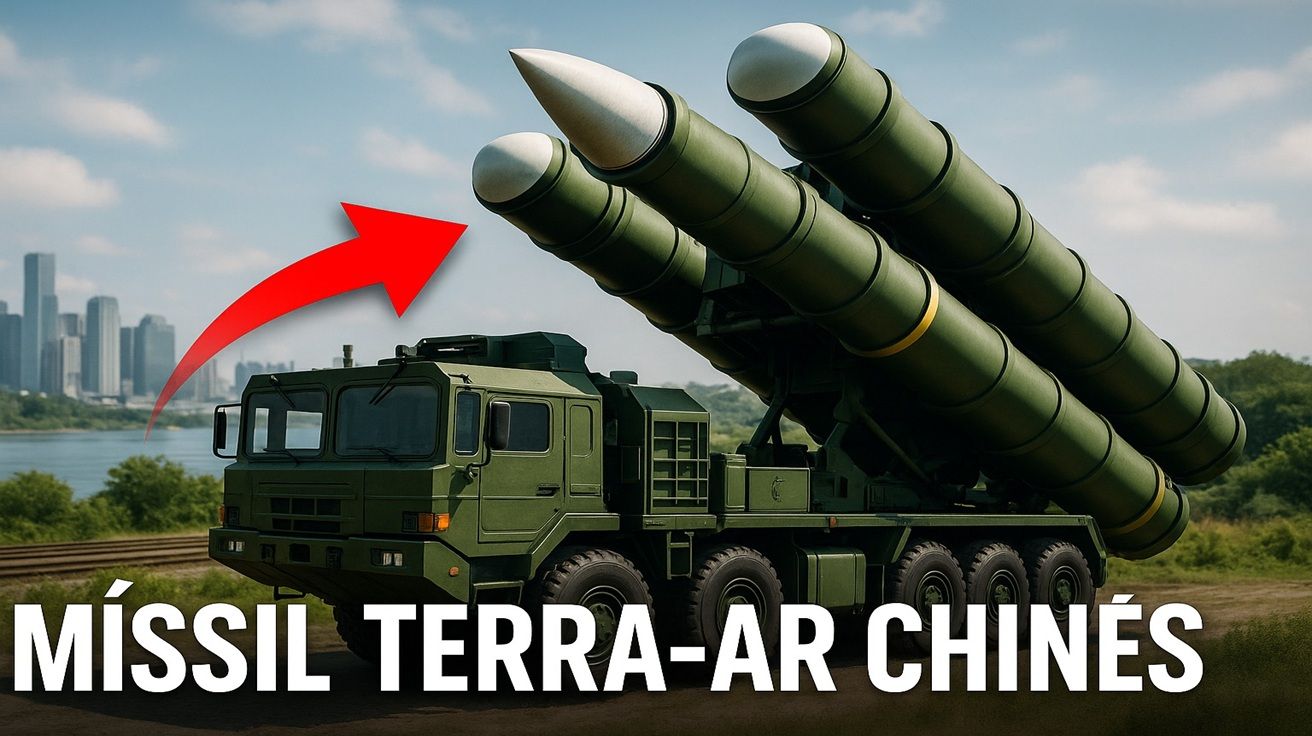


US Develops Replica Of Chinese Missile HQ-22 To Train Pilots And Electronic Warfare Teams In Realistic Combat Scenarios. US Air Force Invests In Realistic Replicas Of Chinese Missiles To Enhance Training And Prepare Pilots For High-Intensity Combat.
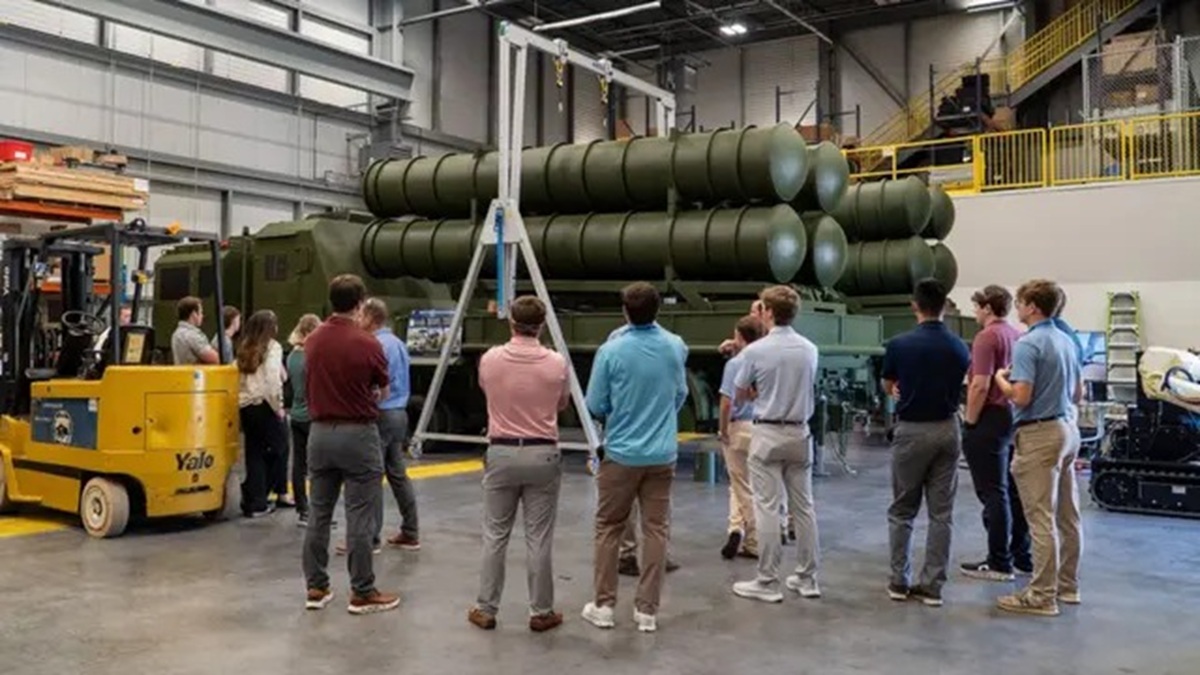
The United States Air Force is set to soon include a full-scale replica of the Chinese HQ-22 surface-to-air missile system in the training of its crews.
The equipment, developed by the American company Torch Technologies, mimics the appearance, radar signature, and behavior in the battlefield of the original model.
According to the manufacturer, the replica is essential for preparing pilots and electronic warfare teams for modern anti-air threats in high-intensity scenarios.
-
Scientists Convert Food Waste into Aviation Fuel, Successfully Test 50% Blend with Conventional Kerosene to Cut Emissions and Promote Sustainable Flights

-
OnePlus N6 Smartphone to Launch in India with 8,000mAh Battery and 45W SuperVOOC Charging, Lasting Up to Three Days
-
Scientists Plan to Release Air Bubbles Underwater to Protect Antarctica’s “Doomsday Glacier” from Melting

-
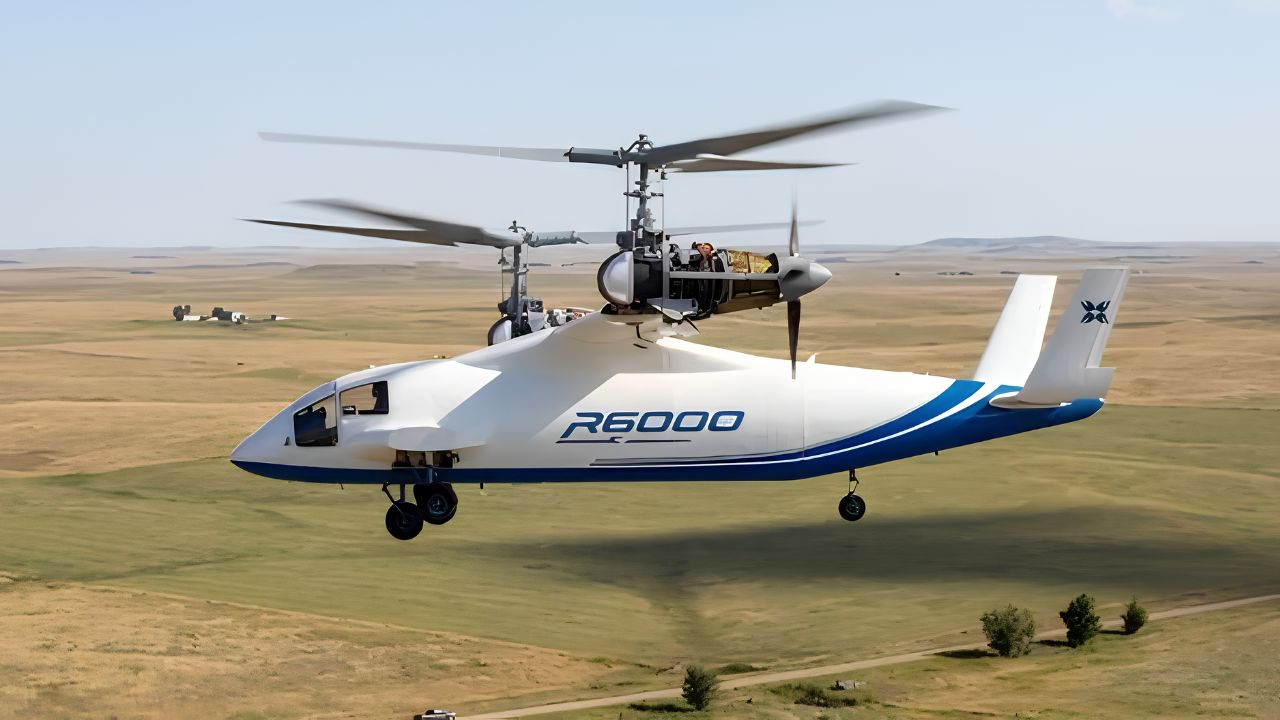
Chinese R6000 Drone Combines Airplane and Helicopter Features, Carries Up to 12 People for Multiple Missions


The HQ-22 entered service in China in the 2010s and is compared to the Russian S-300 series, capable of targeting objects up to 170 kilometers away.
Replica Features
Unlike static models, the American copy faithfully reproduces the dimensions and visual profile of the Chinese missile.
Although it does not fire, the system uses emitters that simulate radar and heat signals, creating a challenge closer to reality for training.
The real HQ-22 features a layered radar network and overlapping engagement zones, being one of the pillars of Chinese air defense.
The replica gives US military personnel the opportunity to train against threat systems without having to operate actual enemy weapons.
Program Expansion
This is the second replica of a Chinese missile presented in recent months. In July, the Air Force showcased a substitute for the HQ-16 at AirVenture in Oshkosh.
Like the HQ-22, it was developed to assist in identifying, preventing, and combating advanced defenses.
Authorities emphasize that realistic simulations are essential, especially given the US focus on potential conflicts against adversaries like China and Russia.
The exercises allow rehearsing missions to suppress enemy air defenses (SEAD) and testing jamming and deception techniques under conditions close to actual combat.
Joint Use And Strategic Impact
The replicas also participate in joint and multinational training, allowing allied forces to align strategies to neutralize sophisticated defense systems.
Although the Air Force has not revealed where the HQ-22 models will be installed, it is common for these systems to be placed in training fields scattered across the country.
The production of the models by Torch Technologies is part of an effort to expand the range of simulated threats available to US forces.
The goal is simple: to ensure that pilots and crews do not encounter enemy systems for the first time in a real combat situation.
As the Air Force itself stated, the more realistic the training, the higher the chance of success in an actual operation.