Portuguese
  Spanish


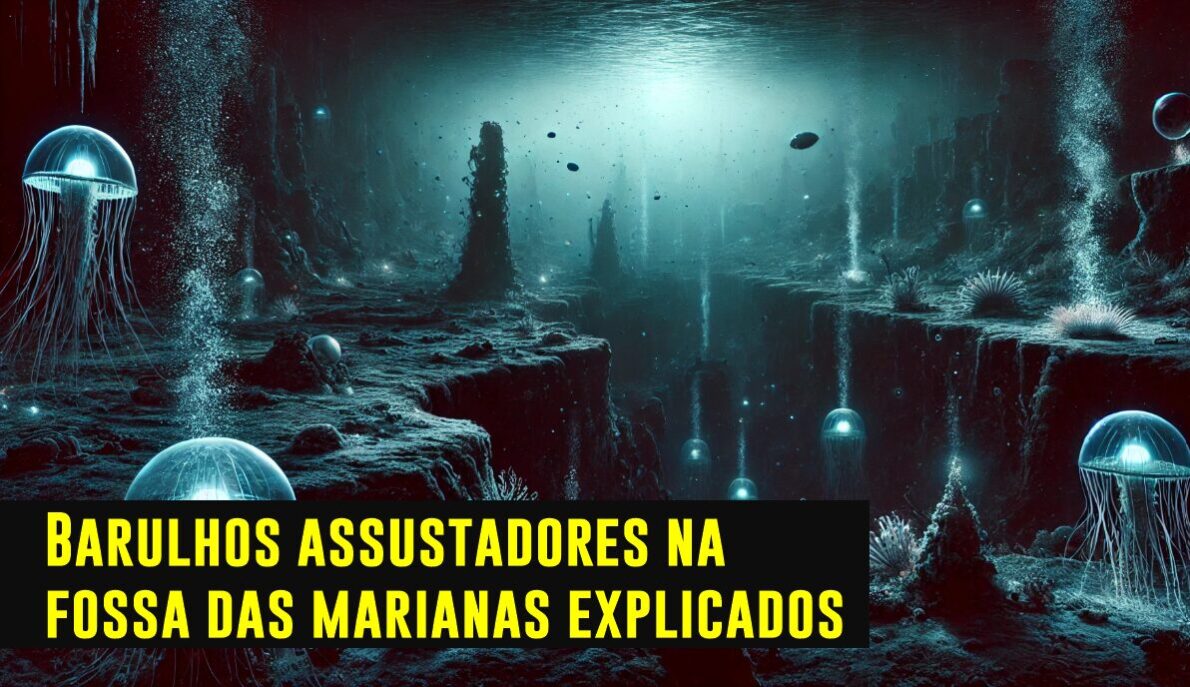

After A Decade Of Mystery, Scientists Finally Explained The Scary Sounds Coming From The Mariana Trench. Discover What Is Behind These Enigmatic Sounds!
After a decade of mystery, scientists have finally identified the origin of the scary sounds coming from the Mariana Trench, the deepest point of the ocean. These sounds, described as “biotwang“, have a strange, futuristic tone reminiscent of spaceships in science fiction movies.
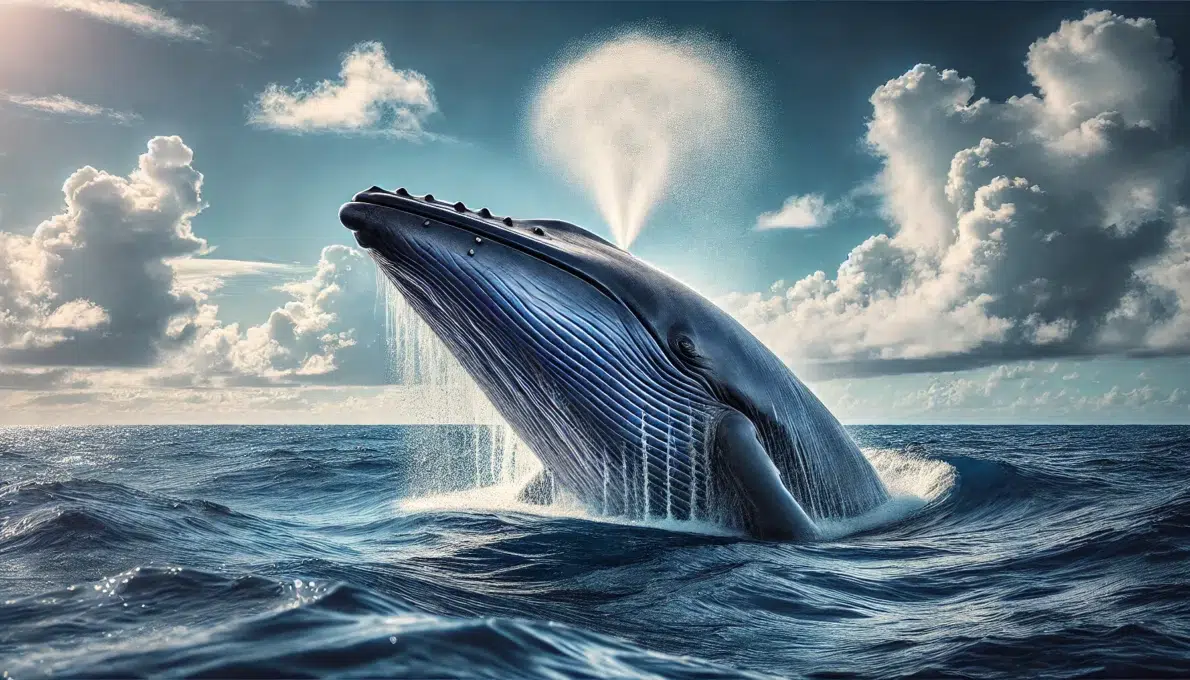
The source of these sounds appears to be Bryde’s whales (Balaenoptera edeni), whose enigmatic calls have been confused with unexplained phenomena until now.
The Initial Detection Of Sounds In The Mariana Trench
The first recordings of these unusual sounds date back to 2014, when researchers used underwater gliders to conduct an acoustic study of the Mariana Trench. Located over 2,400 kilometers south of Japan, the trench reaches an impressive depth of 10,935 meters, a mysterious and little-explored environment.
-
Polar Air Mass to Hit Brazil: Temperatures to Plummet in Nine States, Near Freezing in the South with Frost Risk Until Monday

-
Chinese “dark factories” produce electric cars 24/7 with minimal human intervention, as Zeekr assembles 800 units daily, raising concerns in Brazil.

-
Spectacular Green Aurora Seen from Space Illuminates International Space Station, Captivates French Astronaut

-
In Tasmania, a Beach Features a Natural Stone Mosaic Formed by Earth’s Cracks Millions of Years Ago



Scientists soon became intrigued by the noises, which initially seemed unusual even by ocean standards.
The biotwang, as the researchers nicknamed it, consists of two distinct parts. First, a low, reverberating sound echoes through the depths, followed by a high, almost metallic sound.
For many, this combination directly recalled the sounds we associate with spaceships in franchises like Star Trek and Star Wars.
The Investigation And Initial Hypothesis
In 2016, researchers first suspected that these noises might be related to the calls of large baleen whales, such as blue whales (Balaenoptera musculus) or humpback whales (Megaptera novaeangliae). However, they could not find an exact match between the recorded sounds and any of the known calls of these species.
Uncertainty remained until 2023, when new artificial intelligence (AI) tools revolutionized the acoustic study of the ocean floor. With AI, researchers were able to analyze over 200,000 hours of audio recordings captured in the Mariana Trench. At the end of this exhaustive analysis, the true source of the mysterious sounds was revealed: Bryde’s whales.
The Revelation: Bryde’s Whales And The “Marco Polo” Submarine
The turning point in the research occurred when scientists spotted ten Bryde’s whales swimming near the Mariana Islands and recorded nine of them producing the characteristic sounds of the biotwang. Ann Allen, an oceanographer and the lead author of the study, commented: “Once is a coincidence. Twice is a fluke. Nine times, it is definitely a Bryde’s whale“.
This repetition not only eliminated doubts but also confirmed that this specific population of whales was responsible for the sounds.
The researchers then compared the occurrence of the noises with the migration patterns of the species, establishing a clear relationship between the biotwang and the presence of whales in the region. AI technology allowed for a faster process, transforming the biotwang into spectrograms, visual images of the sounds, which could be easily recognized by machine learning algorithms.
The Future Of Research
Although the study solved the mystery of who makes the noises, questions remain to be answered, especially regarding the purpose of the biotwang. One theory suggested by the researchers is that these calls function as a sort of “Marco Polo” submarine game, where the whales use sounds to locate themselves in vast ocean spaces.
However, more research will be necessary to fully understand the exact function of these noises in the behavior of Bryde’s whales.
The study also showed that the biotwang is a localized phenomenon, being heard only in the northwest Pacific, although Bryde’s whales have a much wider distribution.
It is believed that only a specific population of these whales is involved in producing this unique sound, raising further questions about behavioral variations among different populations of the same species.