





 Portuguese
  English
  Spanish
  3 min of reading


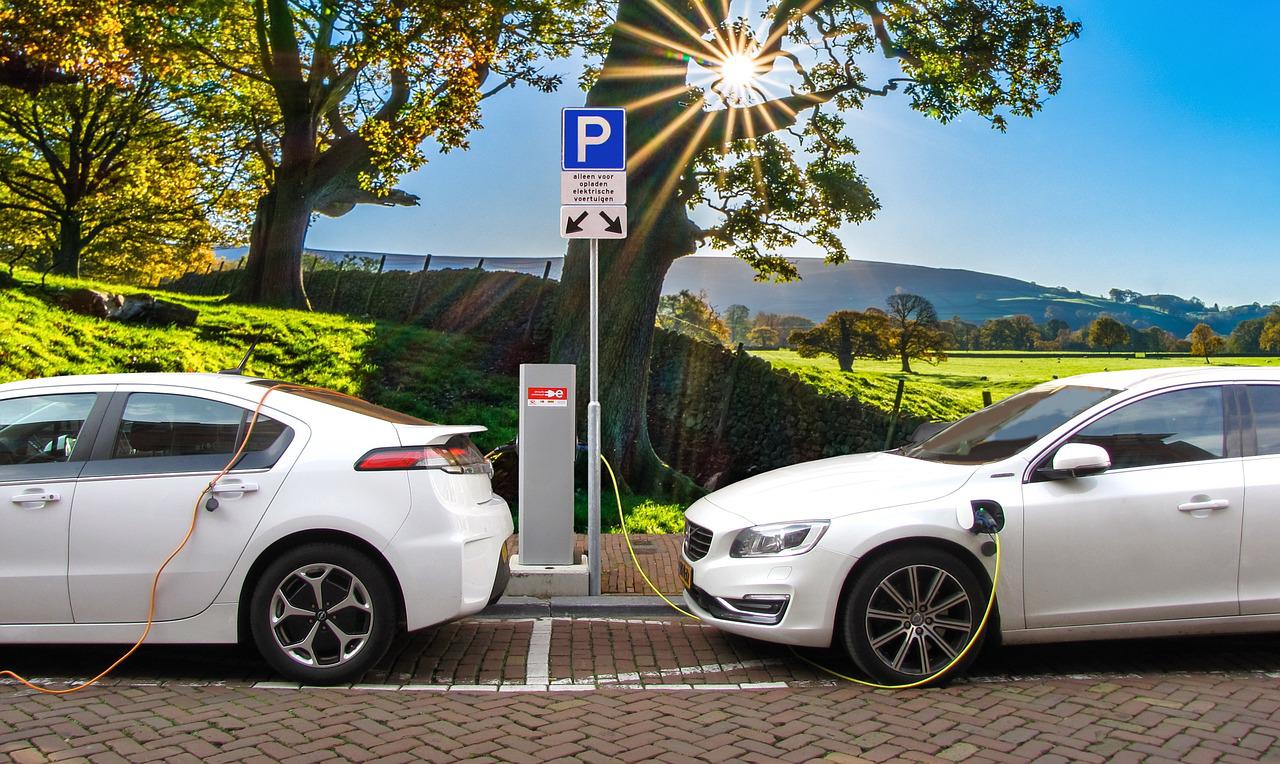
New Energy Company of Enel Will Provide Battery Installation Services to Improve Electric Car Mobility in Brazil
Sales of electric cars increased substantially in the first quarter of this year. The fleet of electric cars more than doubled, reaching a total of 86,986 vehicles, according to the Brazilian Electric Vehicle Association (ABVE).
Despite the presented data being quite positive, the participation of electric cars in the conventional set of Brazilian mobility is still very small, which totals more than 38 million passenger cars. However, there is no doubt about the potential of this sector.
In view of the demand for charging solutions for the batteries of cars electric, the energy company Enel created in Brazil Enel X Way, its subsidiary focused on electric mobility.
-
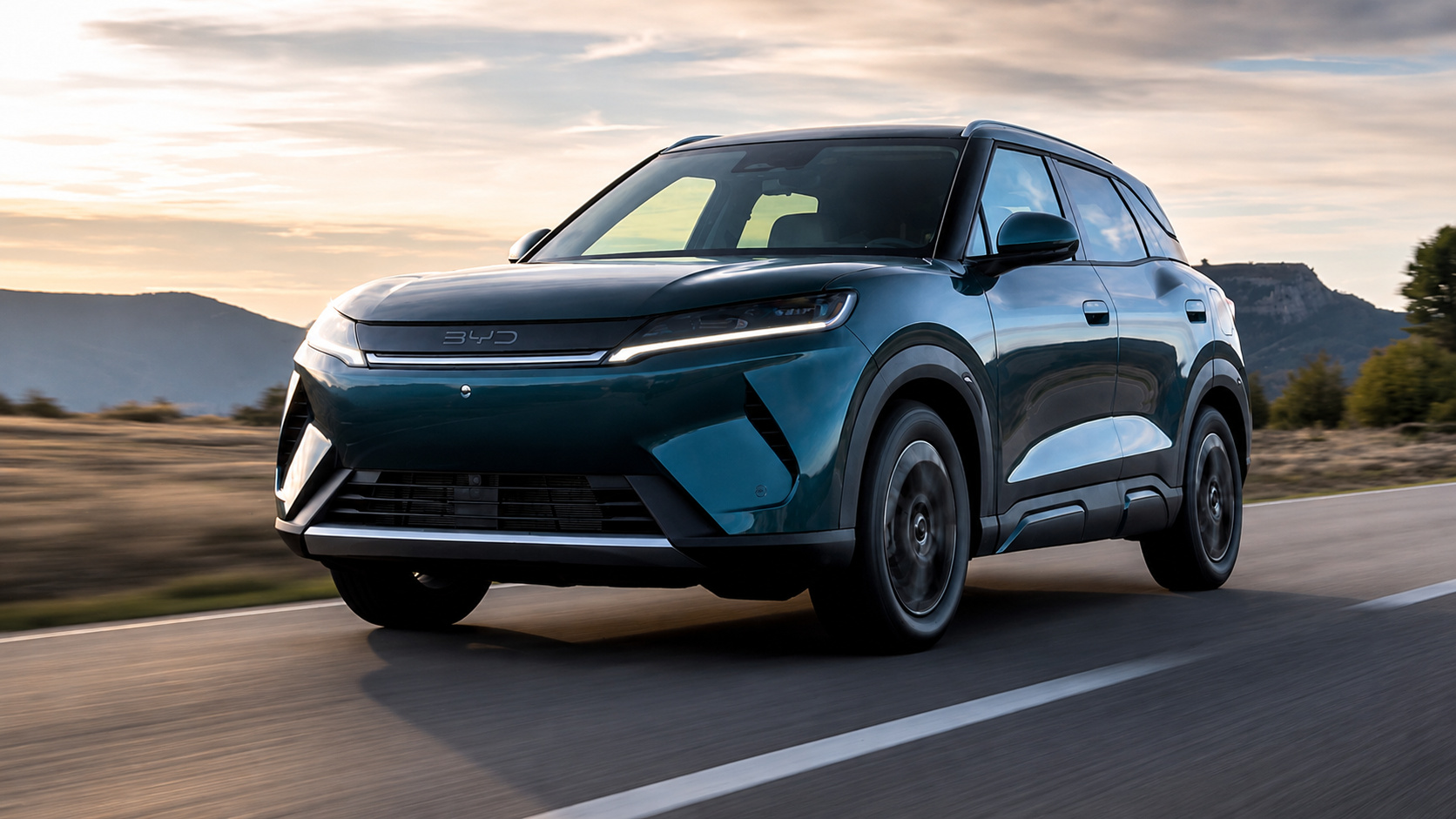
BYD Atto 2 DM-i flex prepares to debut in Brazil with a plug-in hybrid engine, national assembly in Camaçari, competitive pricing, and targets Creta and T-Cross in a battle that promises to heat up the compact SUV market.

-
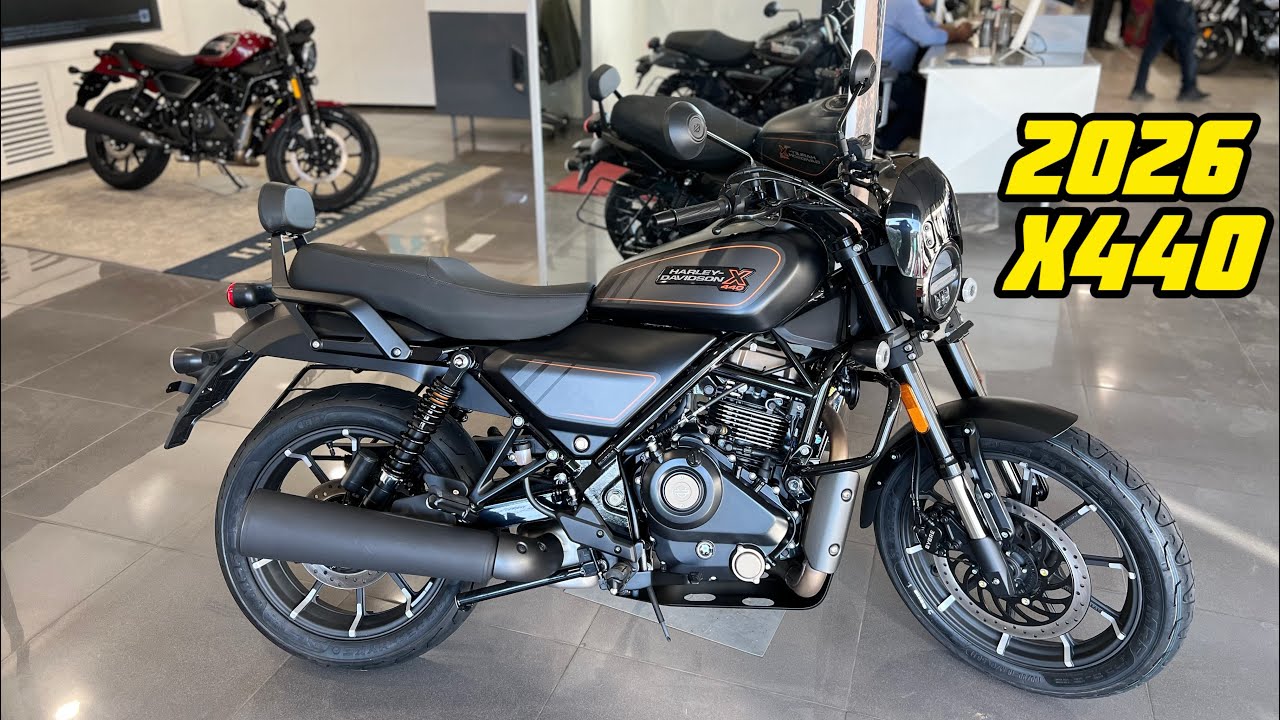
Harley-Davidson created an entry-level motorcycle that seems impossible for those who only know the brand’s big bikes: the X440 uses a 440 cc single-cylinder engine, delivers 27 hp, 38 Nm, a declared fuel consumption of 35 km/l, and showcases a small, rational, and much more accessible Harley in India.

-
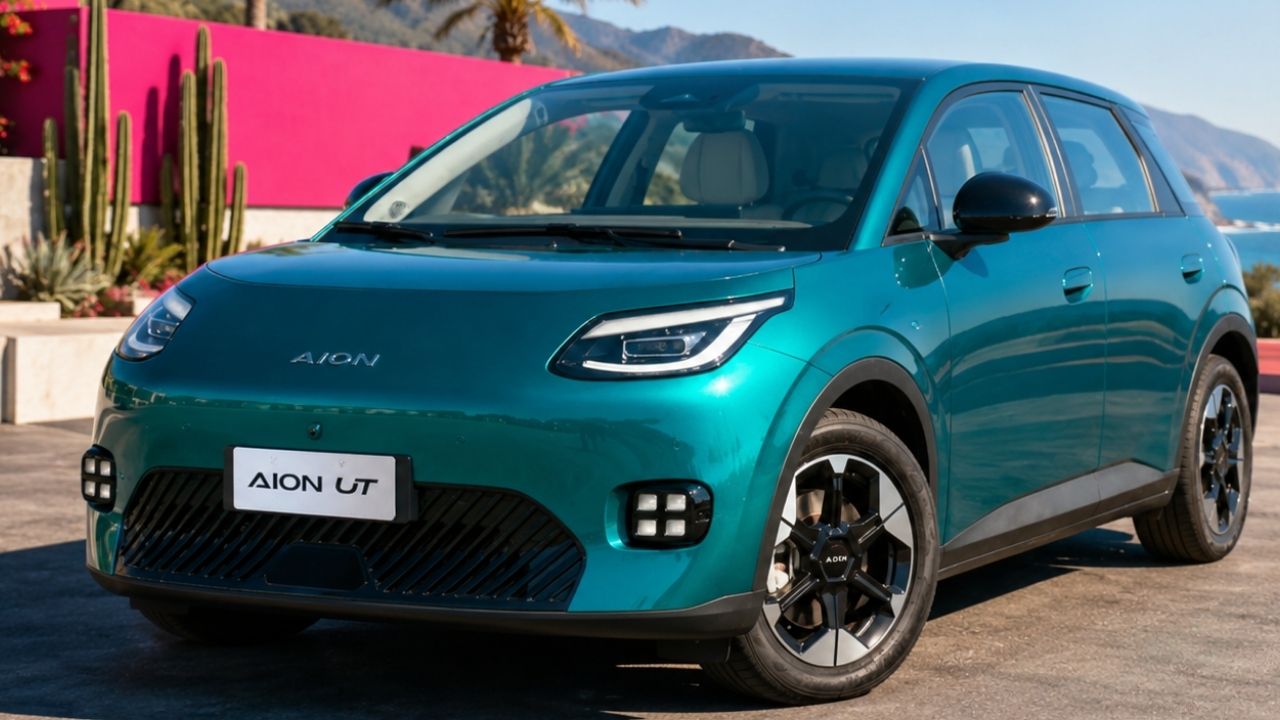
GAC Aion UT lands in Brazil for R$ 135,990 as the most affordable electric car in the country with over 200 hp, surpasses BYD Dolphin in size, features a 360 camera, and offers up to 310 km of range to challenge Chinese rivals.
-
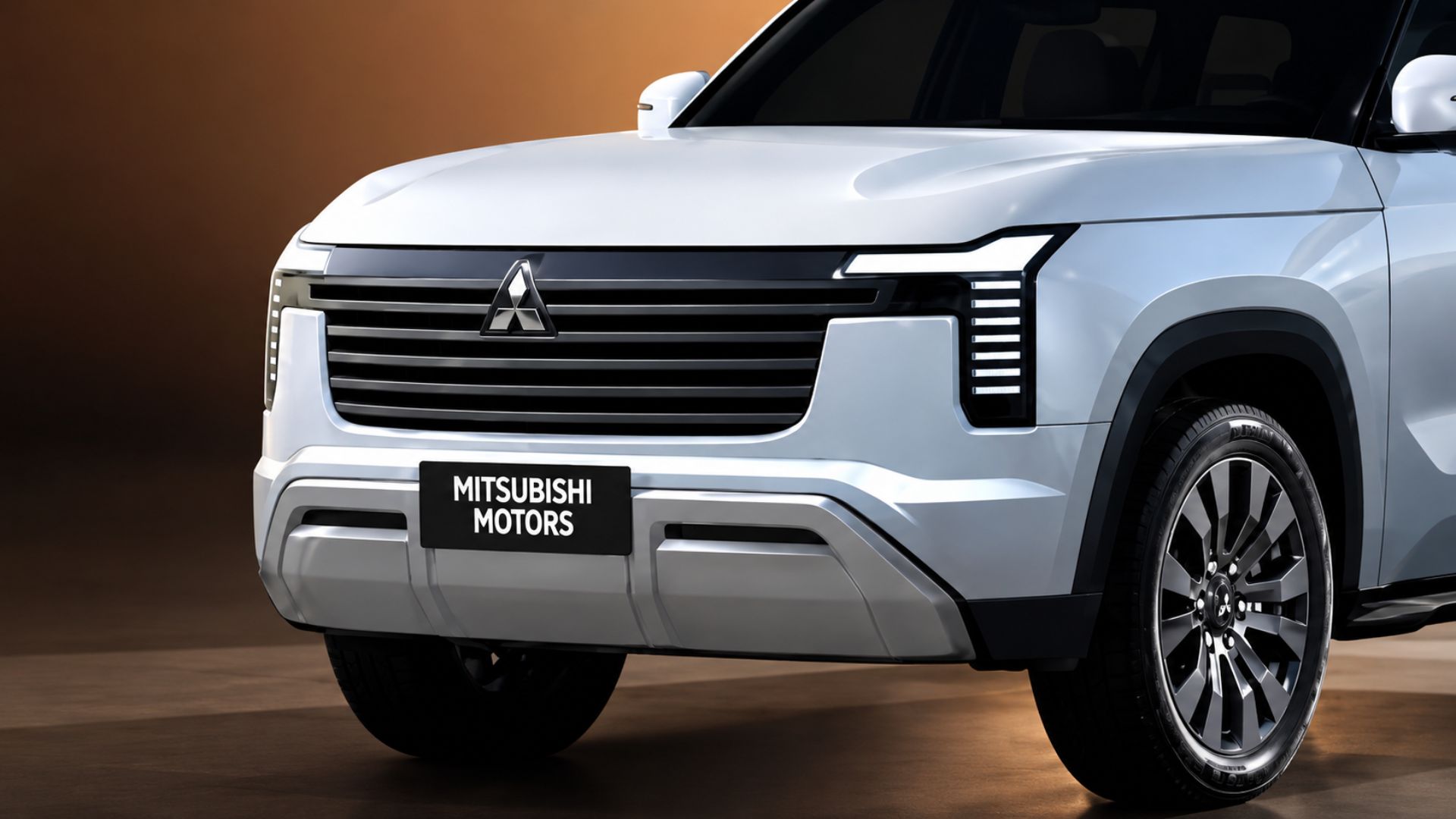
Mitsubishi confirms the triumphant return of a car beloved by Brazilians that was discontinued after almost 40 years, based on the Triton, 4×4, and targets rival Toyota Land Cruiser in a plan of 13 SUVs.

The new company, which has been operating in Europe for about two months, will provide electric mobility customers with solutions to charge their vehicles and also help them manage the charging of these cars, whether they are passenger or commercial vehicles.
Forecasts Show That Electric Cars Will Be 20% of the Brazilian Fleet by 2030
According to data from Projections of the National Association of Automotive Vehicle Manufacturers, by 2030 electric mobility will represent up to 20% of the national fleet.
This is a tiny number, considering that globally, electric car sales surged by 120% just this year, even with a considerable increase in battery prices, which rose by 108% last year alone.
Comparing electric car sales with combustion car sales, combustion car sales increased by less than 5%, indicating a rise in the share of electric mobility in the market.
What Is Needed to Charge an Electric Car in the Garage?
In the opinion of the executive who will coordinate Enel X Way – Paulo Roberto Maisonnave – a concern of some electric car consumers is not being able to charge the vehicle.
“We are used to stopping at gas stations, but this is an inefficient model,” he reports. “It is much smarter to use electric mobility.”
The solutions from Enel X Way have been designed to provide charging infrastructure and intelligence.
Electric cars, in general, need specific equipment to be charged, although they can work in any outlet; without the recommended charger, the energy supply is slow, and fluctuations in the grid can cause the battery not to receive the necessary energy for its proper functioning.
Since a large part of electric mobility cars have batteries with a considerable amount of embedded software, Enel’s idea is to use this connection to create systems that manage, for example, urban delivery fleets, taxis, and ride-sharing cars.
This intelligence will be connected to the supply network through so-called charging hubs. Worldwide, Enel has approximately 350,000 electric car charging points.
Future Fuel Stations
These hubs will not only be “electric fuel stations.” According to Paulo Maisonnave, because they are simpler, the chargers for electric vehicles can operate in shopping and service centers, such as small malls, for example.
“A fuel station requires a much larger area and has a reservoir, which generates environmental impact. I only need a parking space,” he reports.
According to Maisonnave, Brazil has few charging points, although it is in line with the global average of electric chargers per vehicle on the streets.
The expectation of Enel’s subsidiary, Enel X Way, is to triple investments and profits in the next year. For this, it relies on partnerships with most automakers operating in Brazil and a global network that manufactures charging equipment.
Maisonnave, however, states that the logic of electric cars is different from that of combustion cars regarding charging. Most of the charging should be done in residential or company garages when the car is parked.
In Brazil, it is normal for drivers to have a place to store their cars, while in Europe it is more common to park cars on the street due to high urban space prices.
The charging points will serve for emergency cases or to benefit, for example, mall customers and workers in commercial buildings.






Be the first to react!