






 Portuguese
  Spanish


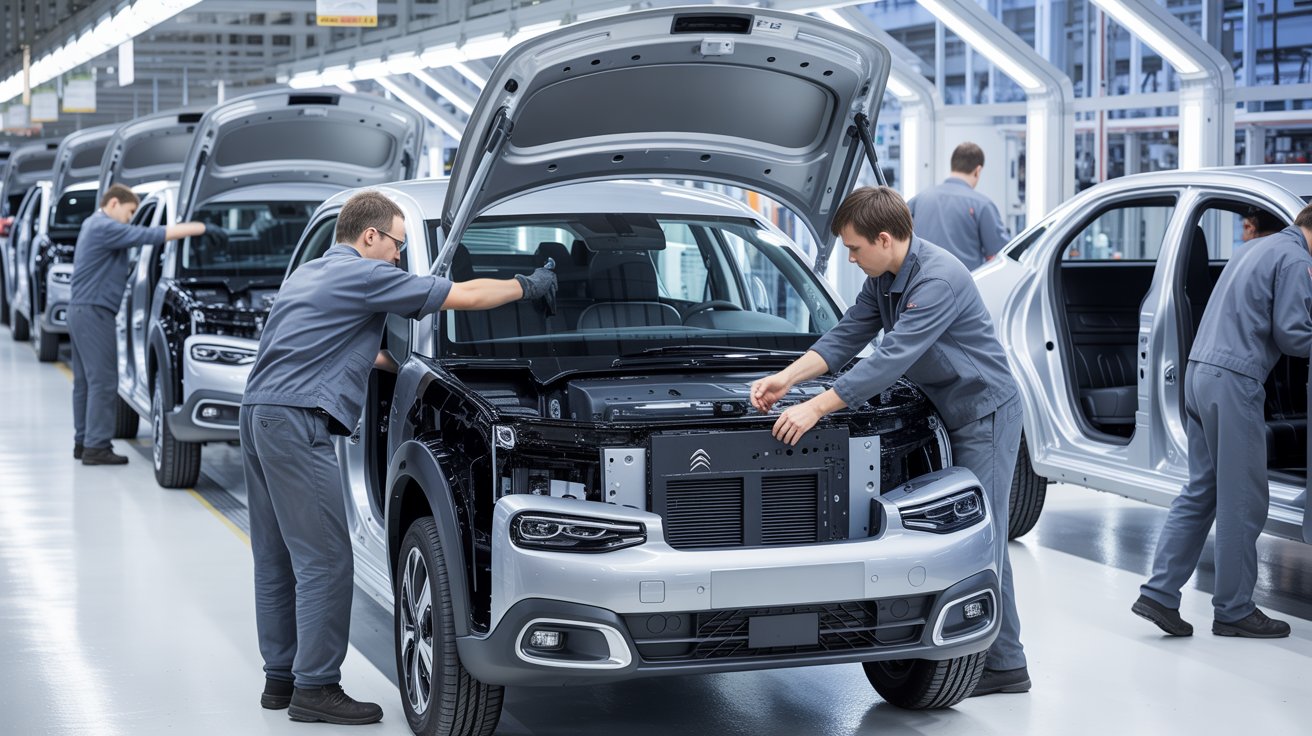


Once the Target of Jokes in Brazil, Citroën Changes Its Image with Support from Stellantis, Achieves Significant Growth, and Begins to Disturb Leading Brands with Popular SUVs and Hatchbacks. The Market Watches Closely, Attentive to the French Brand’s Strategies and Numbers.
For years, Citroën faced resistance among Brazilian drivers.
The French brand accumulated complaints about complex maintenance, difficult resale, and technology considered inadequate for the national reality.
This scenario began to change starting in 2021, when the automaker officially became part of the Stellantis group.
-
Brazilians in Portugal Face Increased Police Checks as Consulate Advises Carrying Documents; Long-term Resident and Tourist Report Heightened Scrutiny in Porto.

-
Russia Proposes Bold Energy Transition Plan at BRICS, Citing $8 Trillion Annual Cost for 2050 Global Target
-
$142 Million Bridge Funded by Brazil Only Used by Empty Trucks at Night, While 43,000 Vehicles Face 2-Hour Queues and Annual Losses Could Reach $600 Million at the Border.
-
Man Crafts $10,000 Hammer with 24-Karat Gold and Diamonds



Models like C3, C4, and Xsara Picasso became known for reports of expensive parts and lack of qualified technical assistance.
Online groups and forums gathered various complaints, reinforcing the idea that owning a Citroën involved unexpected costs and limitations in after-sales service.
Citroën and Stellantis: New Structure and Shared Reputation
The change gained momentum after the creation of Stellantis, formed by the merger of PSA Peugeot Citroën and Fiat Chrysler Automobiles (FCA).
As part of one of the largest automotive conglomerates in the world, Citroën began sharing platforms, engines, suppliers, and service networks with brands such as Fiat, Jeep, and Peugeot.

In the Irmãos Dias podcast, automotive journalist Boris Feldman pointed out that, with the integration into the group, vehicles began to adopt components and quality standards similar to those of other Stellantis brands.
According to him, companies like Bosch, Delco, and Santa Marina supply common parts to various automakers, which helps to standardize manufacturing and facilitate repairs.
The after-sales infrastructure was also enhanced.
Citroën, previously with limited presence, began using the same dealerships as Fiat and Peugeot, which increased reach and reduced wait times for services and parts.
Best-Selling Citroën Cars in Brazil in 2025
Data from Stellantis indicates that, in 2023, Citroën experienced nearly 35% growth in sales in Brazil.
It was the brand with the highest proportional increase within the group.
In 2025, the three models with the highest sales volume are the Citroën Basalt, the C3, and the C3 Aircross.
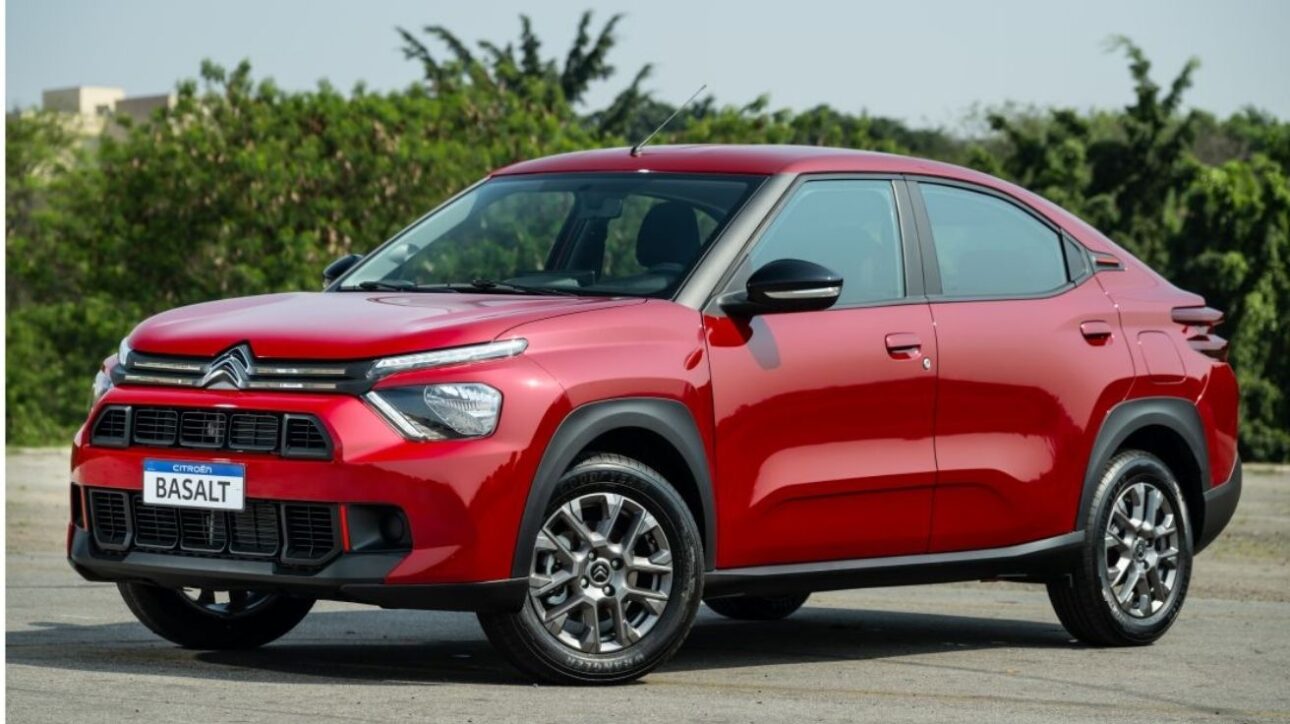
The Citroën Basalt leads the brand’s registrations, with about 2,000 units monthly.
This is a compact SUV with a 1.0 (naturally aspirated or turbo) engine, large trunk capacity, and elevated driving position.
According to the automaker, the model is also aimed at the PCD and fleet segments, where it has shown significant performance.
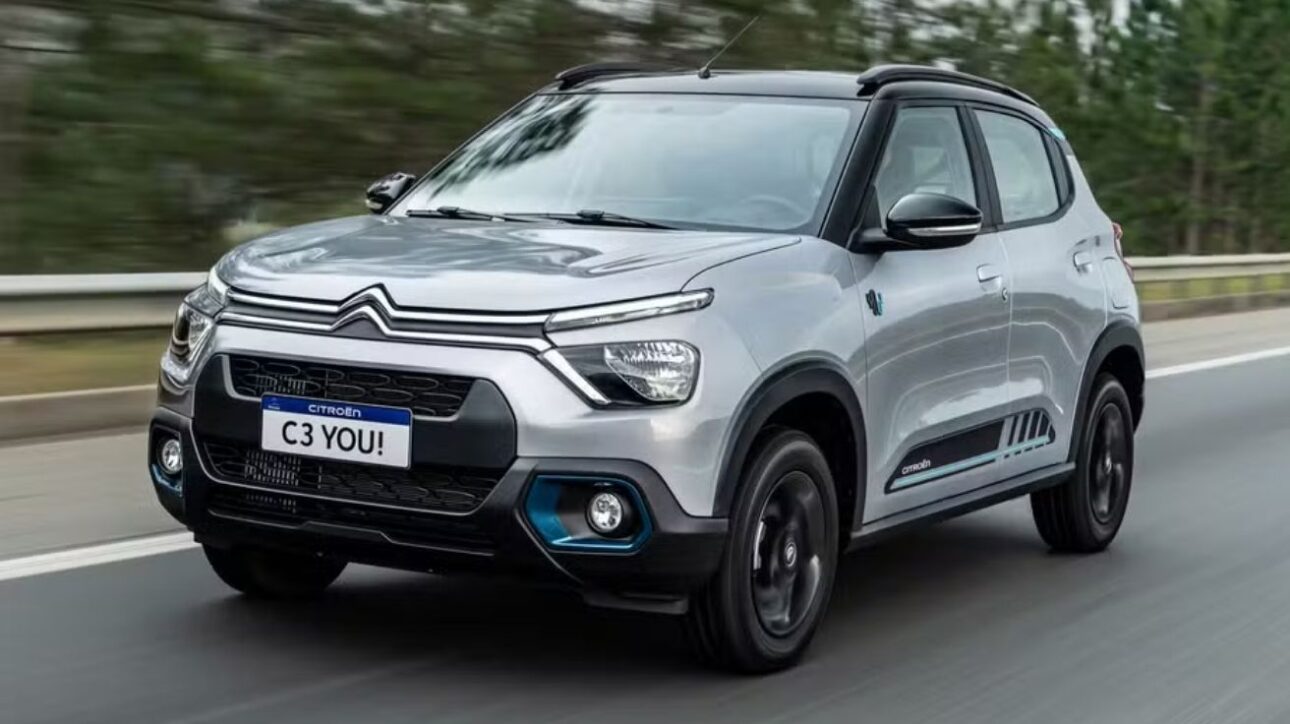
The Citroën C3, produced in Porto Real (RJ), ranks among the best-selling compact hatchbacks of the brand.
Launched in 2022, the model features 1.0 Firefly or 1.6 VTi engines, with versions equipped with CVT transmission.
Highlights include its interior space and cost-effectiveness, aspects valued in the entry segment.
The C3 Aircross, classified as a mini-SUV, offers options for five or seven seats, being one of the few models in the category with this configuration.
It uses a turbo engine also found in Fiat vehicles, such as the Pulse and Fastback, in addition to a CVT.
According to Citroën, the design was intended to combine urban and family use.
Citroën Faces Fiat, Jeep, Volkswagen, and Toyota in Brazil
With the expansion of its lineup and technical assistance, Citroën began to compete directly with established brands in the country.
In the compact hatchback segment, the C3 competes with models like Fiat Argo, Volkswagen Polo, and Toyota Yaris.
Among the SUVs, the Basalt and C3 Aircross position themselves alongside vehicles like Jeep Renegade, Volkswagen Nivus, and Toyota Corolla Cross.
Citroën’s strategy has relied on competitive pricing, technical simplification of models, and transparency programs in after-sales.
An example is the “Citroën Confiance”, an initiative that offers fixed prices for services and parts, aimed at increasing predictability of maintenance costs.


Next Steps for Citroën in the Brazilian Market
According to planning released by Stellantis, Citroën is set to expand its operations in strategic segments, such as compact SUVs and electric vehicles.
The automaker aims to leverage the group’s global platforms and the shared industrial structure to introduce new models focused on efficiency, connectivity, and accessibility.
With expanded networks, an updated portfolio, and competitive positioning, Citroën has been recording a larger share of the Brazilian market.
The consolidation of this movement will depend on the maintenance of the growth pace and the consumer perception regarding the evolution of the products and services offered.
In your view, has Citroën truly overcome its past of jokes and can it be considered a real threat to giants like Fiat, Jeep, Volkswagen, and Toyota — or does the market still see the brand as a risky bet disguised as innovation?


Citroen é da Stellantis dona da Fiat, Jeep, RAM etc. Qualquer concorrência, está em casa.