Portuguese
  Spanish


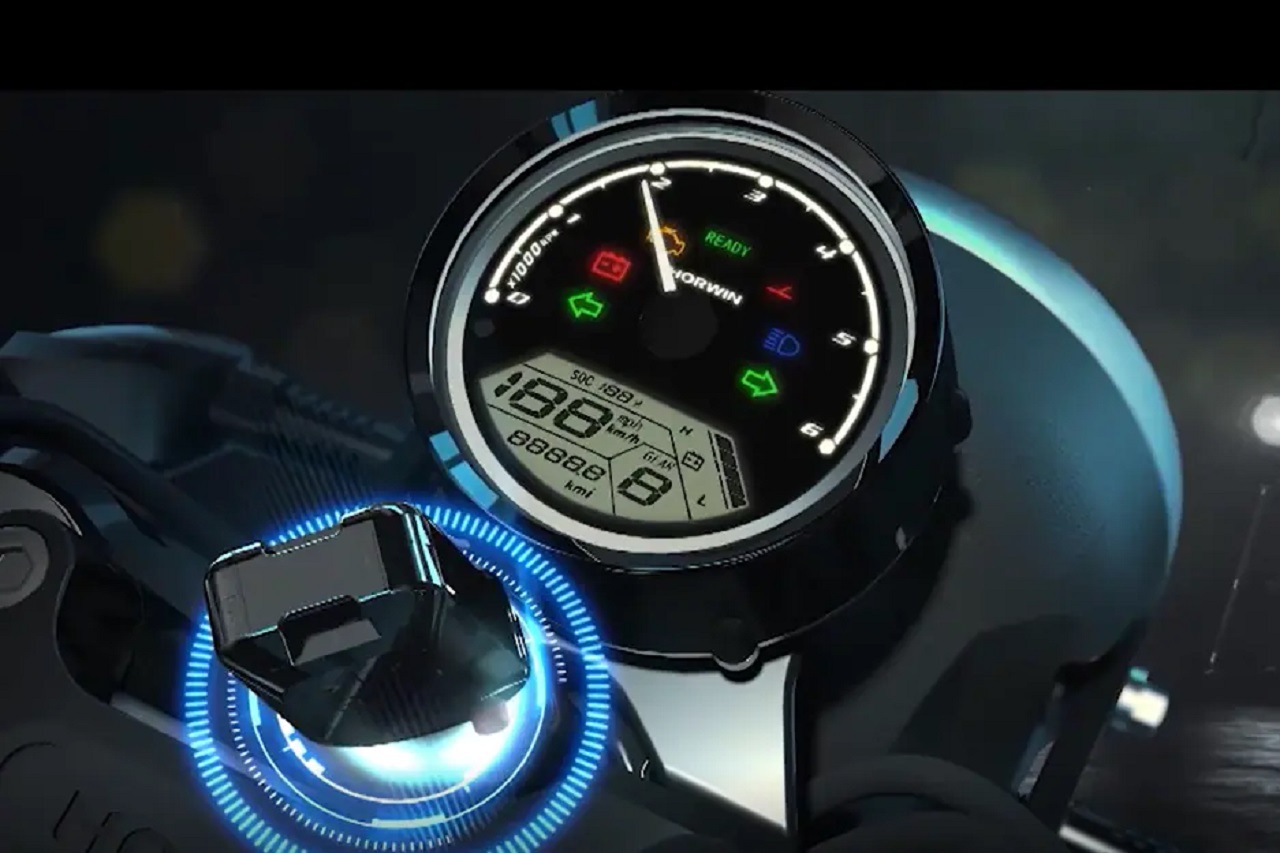

CBMM, Brazilian Company that Manufactures Niobium Products, Partners with Electric Motorcycle Company to Bring Ultra-Fast Charging Niobium Batteries to Market Soon, Reducing the Charging Time for Most Electric Vehicles
Currently, it takes about 5 minutes for a motorcyclist to refuel their motorcycle at a gas station and start it up. In the case of electric motorcycles, the wait time is much longer, taking up to about three hours to reach half of the charge. However, this is a scenario that may change in the future with the arrival of ultra-fast charging niobium batteries from CBMM, which are already being tested in the country.
CBMM Is Building Electric Motorcycles for Demonstration
Following the announcement of an electric motorcycle production factory located in Manaus, Horwin, a Chinese manufacturer, has partnered with Companhia Brasileira de Metalurgia e Mineração (CBMM), which produces the material needed for the production of niobium batteries in Araxá, in the Midwest of Minas, and intends to deliver rechargeable electric motorcycles in up to ten minutes.
According to Rogério Marques Ribas, manager of the company’s battery program, the company has partnered with Horwin and also states that the companies are jointly building two demonstration electric motorcycles using technology from their Japanese partner, Toshiba, which utilizes niobium.
-
End of an era in Brazil: beloved sedan by Brazilians is discontinued despite having a 2.0 engine with 151 hp, CVT transmission, 466-liter trunk, and up to 650 km of range.

-
New Law Proposal in Brazil Could Heavily Penalize Drivers: Dangerous Overtaking May Become a Serious Offense with Fines Increased Tenfold and a 12-Month License Suspension; Update on 2026 Progress

-
Electric Revolution: Watts W125 Motorcycle Offers 160 km Range, 90 km/h Speed, and Affordable Price Starting at $3,000
-
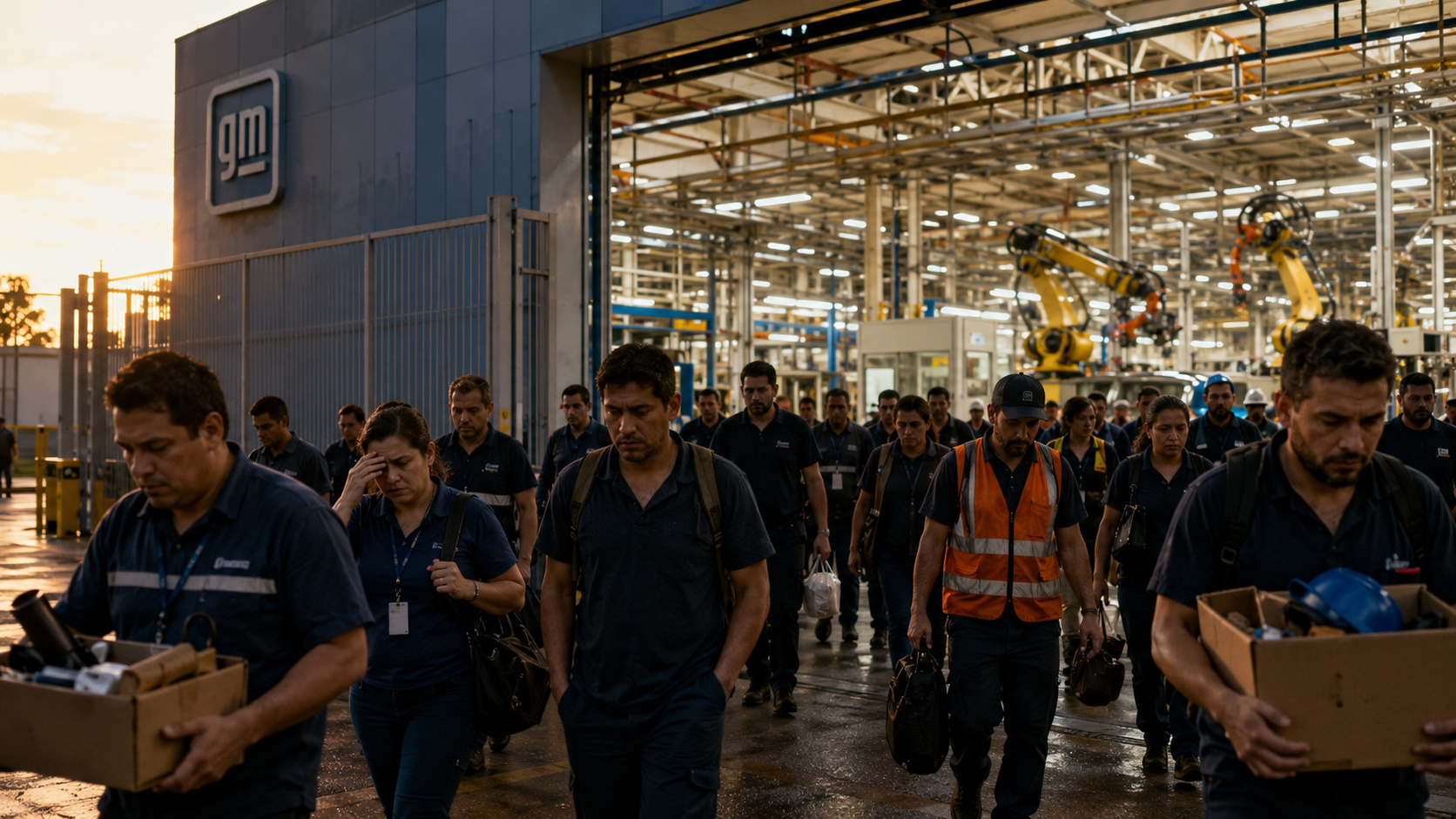
General Motors Replaces Over a Thousand Workers with 50 Cobots at Electric Vehicle Plant, UAW Union Criticizes Move Amid Industry’s Automation Push


Horwin has already announced that everything is going according to plan and that it intends to use these niobium batteries in its production line at the Manaus factory.
CBMM Acquires 13% Stake in Echion Technologies
The prototype of the project is set to be presented later this year and will use the CR6 electric motorcycle model from Horwin, with a motor power of 6,200 W and a range of up to 150 km. The niobium batteries used are the result of three years of research and development from the partnership between CBMM and Toshiba.
In addition to the partnership with the electric motorcycle company, CBMM, a global leader in the supply of niobium products, has also purchased a 13% stake in a company that emerged from the University of Cambridge, called Echion Technologies, which develops materials for next-generation batteries.
This month, Echion has become an official supplier of materials for the Norwegian company Morrow Batteries, which manufactures batteries with investments from Siemens and ABB. According to the CBMM manager, the first ten tons of materials that the company is sending to Echion and Morrow are being manufactured at the niobium battery materials plant in Araxá.
Learn More About the Use of Niobium in Electric Cars and Motorcycles
The niobium does not replace lithium in batteries of electric models or other electronics, but serves as an enhancer for the batteries. Ribas states that 95% of the technologies in smartphones, electric cars, and computers are lithium batteries.
The company modifies one of the battery components, bringing certain properties to it, such as the ability for fast charging, the possibility of operating in a wider temperature range, and safety, such as in the negative temperatures of Europe. The manager also states that, in addition to the ultrafast charging benefit, the durability of this type of component that uses niobium is essential for robust vehicles like buses and electric ships.
With a regular battery, there is a lifespan of about 5 to 6 years, at best. In the case of niobium batteries, there is the potential for them to last about 15 years. If we focus on the application in ships or electric buses, the lifespan of the component could average 20 to 30 years.