Portuguese
  Spanish


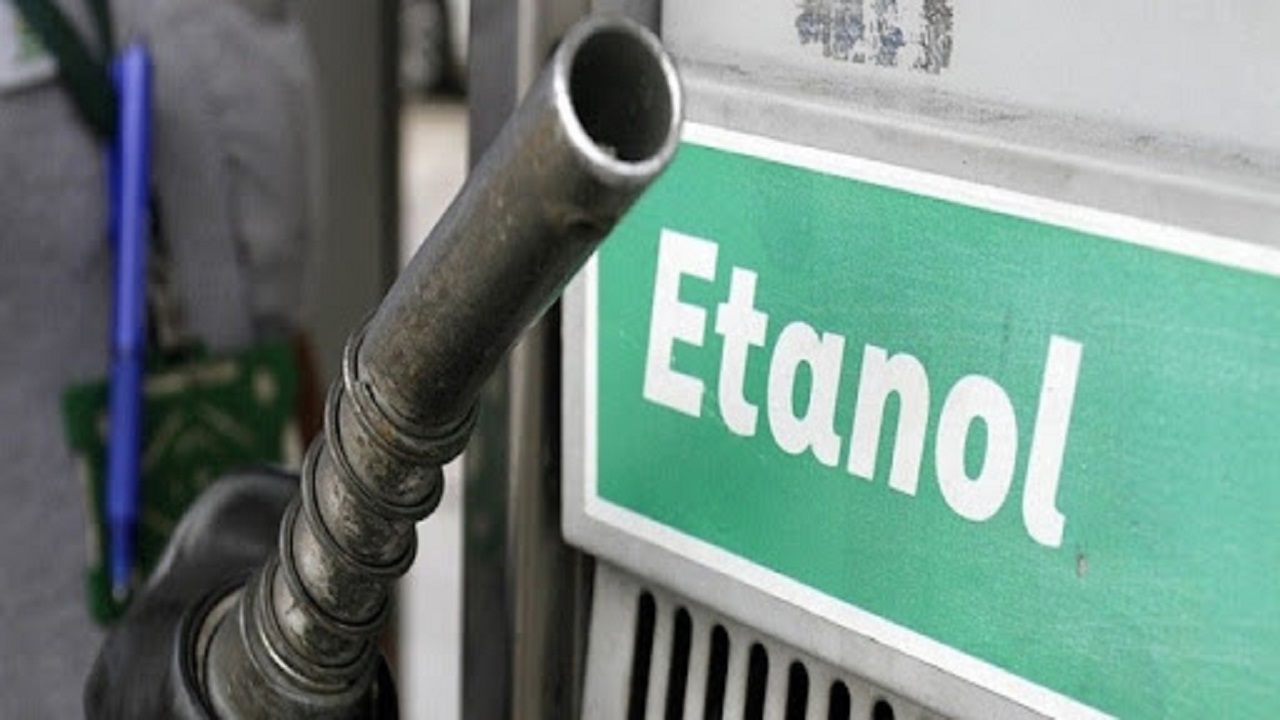

The Goal Is for Ethanol to Go Directly from the Distillery to Fuel Stations. Unfair Competition and Tax Evasion Should Be Considered Mechanisms in the Process
There is a debate as to whether the measures proposed by MP 1069/21 will or will not result in lower fuel prices for the end consumer. Unfortunately, this is a futile discussion; the market will decide this, not any government agency or representative of any sector. Text by Luiz Henrique Sanches.
It is up to the government, which must prioritize the end consumer, the Brazilian citizen, to promote the highest degree of competition among the various companies in the sector and to prepare to effectively regulate and supervise the sector, which has not been happening for a long time, as evidenced by the tax evasion in the sector.
Whether the direct sale of ethanol to fuel stations will lower pump prices, increase the margins of stations or distilleries, suppressing the margins of distributors, or if nothing will happen, should not be avoided based on assumptions laden with sectorial interpretations.
-
Qantas and Airbus Invest in Company Aiming to Convert Unsorted Household Trash into Jet Fuel

-
Brazil’s ANP Opens 86 New Oil Blocks in the Equatorial Margin, Expanding the Amazon River Mouth Frontier

-
OPEC+ Boosts Oil Supply by 188,000 Barrels per Day in July 2026, Leading to Price Drop from $112 to $89 per Barrel in Under Two Months

-
TotalEnergies Signs 20-Year Deal to Purchase 2 Million Tons of LNG from Alaska, Boosting Project Viability




Less Brasília and more Brazil, and nothing demonstrates this better than the success of agriculture in the Midwest, which, following the kickoff from Embrapa, has soared, while topics with direct government interference like the electrical and oil sectors, apart from offshore, have stalled for decades. Consult the MP proposal in its entirety in PDF here.

The Price to Pay for This
Prices are determined by the options available to the customer. Professor Peter Drucker said in the 1950s, “Negotiating is developing alternatives”; those who have none have no way to negotiate, only to ask…
A station or a large consumer that signs a fuel purchase contract with an exclusivity clause, without any pricing criteria, loses the right to develop alternatives; only the option to “ask” remains.
Thus, a station being against the sale of hydrated ethanol directly from the distillery to the station is against having an alternative—not an obligation—and where will the logistical gains and margins of the distributors remain? Only the market can decide if it will be at the station or at the distillery, or a part in each. Perhaps this is the legacy of the times of price controls.
Tax Evasion Practices Worry Fuel Station Owners and Other Market Players
According to businesspeople and experts in this sector, there will not be enough oversight and it may ultimately lead to tax fraud since plants do not have the same “compliance” as the distribution segment.
Buying ethanol from the plant will introduce new players into the market, and this is great, but if there is no effective oversight, competition may be UNFAIR.
Text by Luiz Henrique Sanches: Consultant, professor, and speaker in the fuels sector