Portuguese
  Spanish


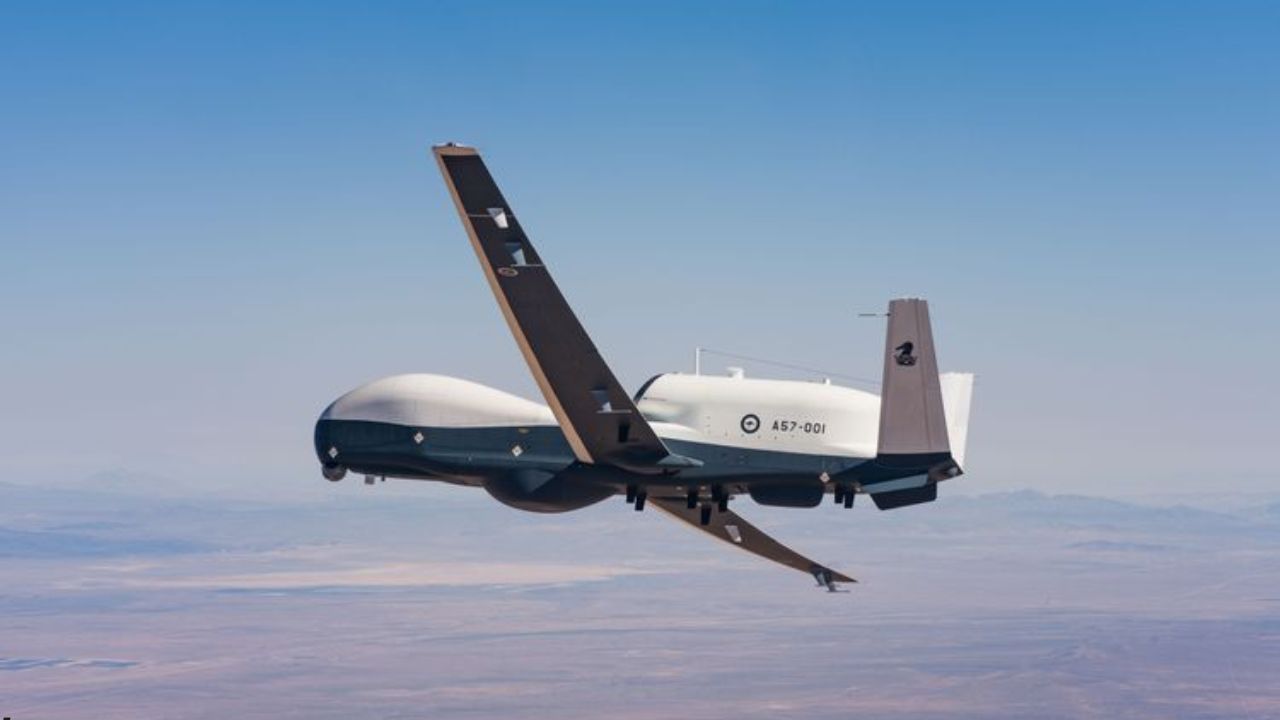


New $267 Million Contract Expands Maritime Surveillance Drone Fleet, Enhancing Monitoring and Security Capabilities of the US
The United States Navy has entered into a $267 million contract with Northrop Grumman for the acquisition of two new MQ-4C Triton drones, bolstering its fleet of high-altitude maritime surveillance unmanned aerial vehicles. The model, already widely used by the US, represents a technological advancement in monitoring strategic shipping routes and protecting coastal borders.
Features and Capabilities of the MQ-4C Triton
The MQ-4C Triton is a high-altitude, long-endurance (HALE) drone designed for intelligence, surveillance, and reconnaissance (ISR) missions. With the capability to operate at an altitude of 55,000 feet (16,800 meters) and reach speeds of up to 575 km/h, it plays a crucial role in monitoring maritime traffic and identifying potential threats in international waters.
Developed by Northrop Grumman, the Triton is equipped with a range of advanced sensors, including synthetic aperture radar (SAR), electro-optical/infrared sensors, and automatic identification systems (AIS). This allows it to provide 360-degree maritime surveillance coverage, ensuring real-time monitoring of vast ocean areas.
-
Living Robots Made from Human Cells Crawl on Their Own in Lab, Help Heal Neuron “Wounds” and Turn Human Tissue into Microscopic Biological Machines

-
Xlinks Project to Lay 3,800 Kilometers of Cable Across the Atlantic to Export Solar Energy from Morocco Directly to UK Outlets Without Using a Single Turbine

-
Floating Solar Panels Aim for Rougher Seas with Norwegian Rope Mesh Technology, Following DNV Review, Opening New Clean Energy Opportunities in Coastal Areas
-
Olympus Mons: The Solar System’s Tallest Volcano, Over Three Times the Height of Mount Everest, Puzzles Scientists with Its Prolonged Volcanic Activity



One of the key features of the Triton is its ability to descend rapidly to lower altitudes, enabling detailed identification of vessels and maritime targets. Its reinforced structure allows operations even in adverse weather conditions, ensuring uninterrupted and effective missions.
Integration with the P-8 Poseidon and Joint Operations
The MQ-4C Triton was developed to operate alongside the crewed P-8 Poseidon aircraft, which conduct patrol and anti-submarine warfare missions. While the Triton carries out continuous and long-range surveillance, the P-8 can directly intervene, creating an integrated strategy for quick responses to maritime threats.
According to Admiral Michael Studeman, head of US Naval Intelligence, “the Triton significantly enhances the naval fleet’s monitoring capability, allowing persistent surveillance and reducing the need for crewed aircraft on prolonged missions.”
Fleet Expansion and Global Impact
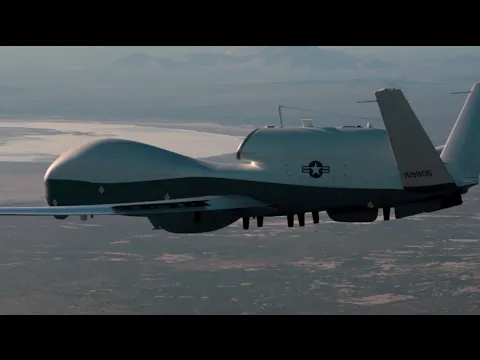

With this new contract, the US Navy seeks to expand the presence of the Triton in multiple strategic regions. Currently, the fleet of these drones is already operating from bases in the Pacific and Atlantic, monitoring areas of geopolitical interest, such as the South China Sea, the Persian Gulf, and the Indian Ocean.
In addition to the United States, the Royal Australian Air Force (RAAF) has also invested in the MQ-4C Triton, with three units already tested and ready for delivery. According to the Australian Department of Defense, this acquisition will strengthen coastal defense and monitoring of the country’s exclusive economic zone.