Portuguese
  Spanish



How Young People Build Relationships, Face The Burning Cold, And Maintain Family Traditions In One Of The Most Extreme And Remote Regions Of The World
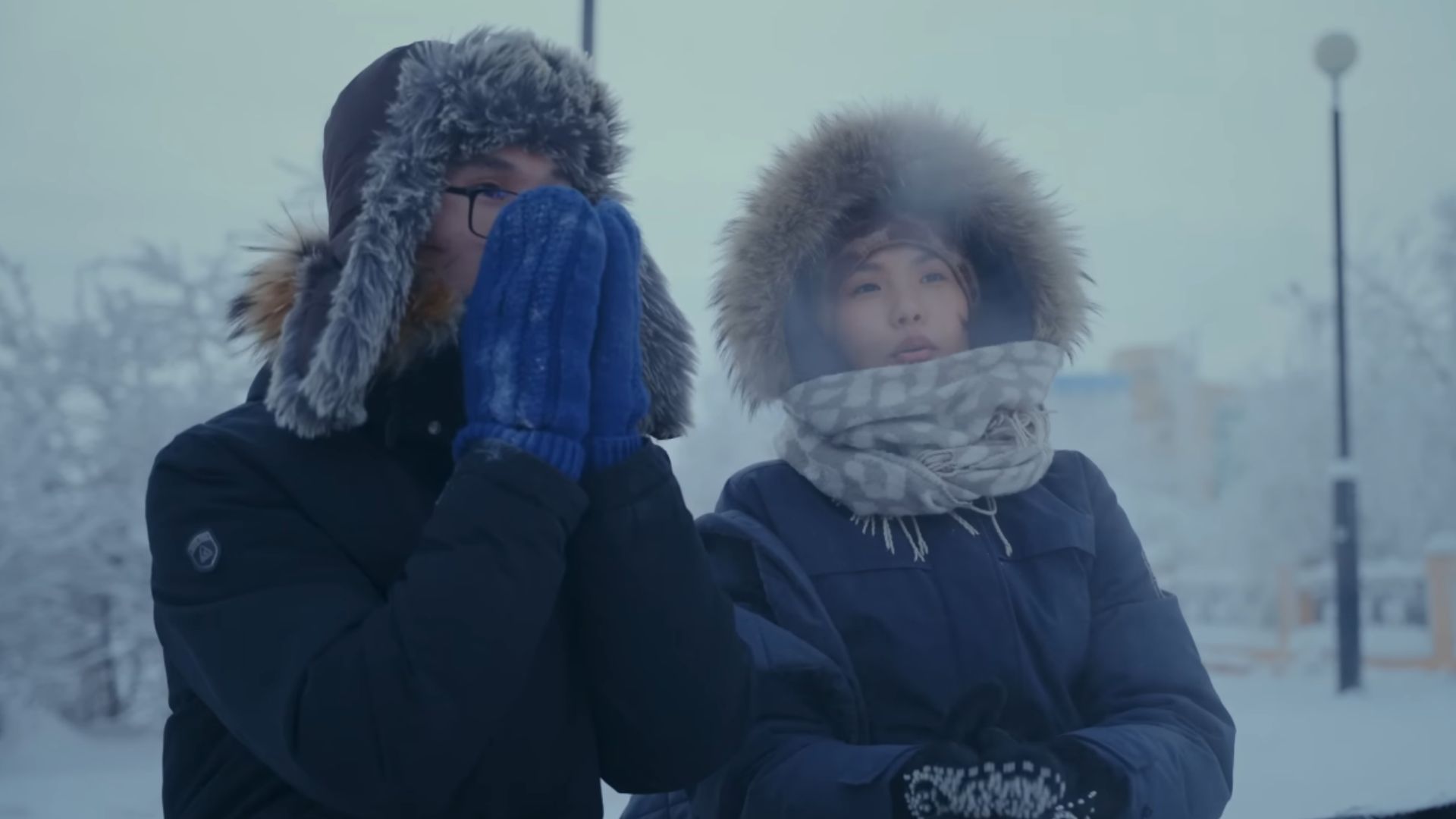
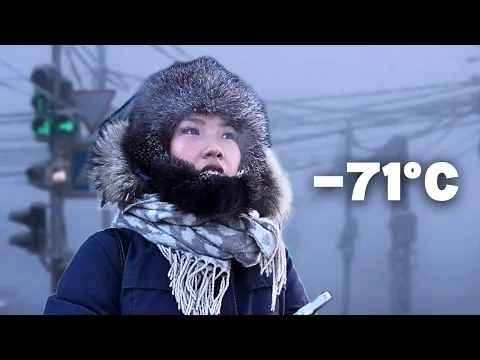
Living in a place where winter can reach −71 °C (−95 °F) seems unthinkable for most people. Still, for Daiaana, a 21-year-old university student, this is just everyday reality. Born and raised in Yakutsk, considered the coldest city on the planet, she learned early on that even under temperatures comparable to Mars, life goes on. People study, work, build futures, start families, and, above all, fall in love.
The information was disclosed through cultural reports and documentary records about Yakutsk, showing how the local population adapts to an extreme climatic condition in the interior of Eastern Siberia. On an ordinary winter day, when the thermometers read −45 °C, Daiaana faces the temperature as part of her routine. Still, every time she goes out, it requires detailed planning, appropriate clothing, and constant health care.
Upon entering her small heated apartment, Daiaana begins to prepare for a date. The first step is applying a large amount of moisturizer to her face and hands. In Yakutsk, the dry and freezing air causes cracks in the skin within minutes. Without this basic care, injuries and even frostbite can quickly occur. Only after this does she start her makeup, because even in a place where protecting oneself from the weather is essential, appearance and self-esteem remain important.
-
From Humble Beginnings to Industry Leader: How Dudalina Became Brazil’s Top Shirt Exporter with $416 Million in Revenue

-
Brazilian Brothers Turn $100 Investment into Wildlife, Latin America’s Most Valuable Game Studio Worth $3 Billion, with Global Hits like “Sniper 3D”
-
Brazilian Açaí Brand Oakberry Expands from São Paulo Kiosk to Over 900 Stores in 48 Countries, Including Qatar’s Desert Markets
-
From Door-to-Door Sales to an $8 Million Business: The Success Story of Água Azul’s Founder



How Relationships Work In A City Marked By Extreme Cold

Meeting someone to date in Yakutsk works differently than in major cities. The city has around 400,000 inhabitants, while the entire region of the Republic of Sakha (Yakutia) totals approximately 1 million people. With long and harsh winters, going out spontaneously to socialize is not very common. Dating apps are also not popular, as the city has a closer and more connected social dynamic.
Therefore, many relationships begin through mutual friends, universities, closed social events, or family celebrations. This is how Daiaana met her boyfriend, Radomir. In Yakutsk, it is common for friends to introduce people they believe may have a connection, maintaining a fairly traditional social model.
Another notable factor is that relationships tend to evolve quickly. In Yakutia, many young people marry in their early 20s, as over time, the number of singles decreases considerably. Additionally, there is a demographic imbalance, with more women than men in the region, which makes the search for a partner more competitive.
This context leads many women to take great care of their appearance, even in extreme temperatures. Daiaana chooses her clothes strategically: dresses underneath thermal layers, elegant fabrics paired with heavy coats, lined boots, and carefully thought-out accessories to avoid direct contact with the intense cold.
Weddings, Tradition And Celebrations In Environments Fully Adapted To The Climate

Despite the severe climatic conditions, Yakutsk is a place where family traditions are strongly preserved. Many people stay in the region because it represents their origins, where multiple generations of their families were born, raised, and keep the local culture alive.
However, the cold demands constant attention. Exposure to the air can cause immediate pain, and metal objects become dangerous. At one point, Daiaana feels a burning sensation in her ears: her metal earrings quickly froze upon contact with the outside environment. She needs to remove them immediately to avoid injury. Small precautions like this are part of the daily life of those living in an extreme climate region.
Upon arriving at the restaurant, a warm and cozy space, Daiaana leaves her heavy coats and winter boots in a mandatory cloakroom, available in all establishments in the city. In a few minutes, she changes her thermal clothes for elegant high-heeled shoes. Even in one of the coldest places on the planet, style and personal presentation remain relevant.
In Yakutia, the role of men in relationships still follows traditional patterns. Radomir arrived late because he was buying flowers — a gesture considered expected. In local culture, men often give flowers not only on special dates but also on regular dates. Some do this daily as a show of affection.
Weddings in Yakutsk are large events held exclusively indoors. The parties usually gather around 200 guests, but some can reach 500 people. The average cost ranges between US$ 15,000 and US$ 20,000, a significant amount by local standards. To make the celebration feasible, entire families contribute financially, and guests offer cash as gifts, a practice culturally more valued than physical presents.
The ceremonies mix modern elements with ancestral traditions. It is common to have a shaman present, who performs a blessing ritual before the celebration begins. It is believed that this ritual brings prosperity, harmony, and protection to the couple. The parties can last two or three days, featuring plenty of food, music, games, and a host who keeps the atmosphere lively.
Family Life, Children, And Coexistence In An Environment With Limited Access

After marriage, there is a cultural expectation for the couple to have children soon. Starting a family is seen as a priority. In Yakutia, it is common for parents to help newlyweds financially, even with the purchase of a house, considered an essential step for family stability.
Women have the freedom to choose between working outside or dedicating themselves entirely to their children. Many balance career and motherhood, while others choose to care for the family full-time. In general, families have two or three children, and raising kids in the region is relatively more affordable thanks to public education and healthcare, provided by the government.
The extreme climate helps to strengthen family bonds. Couples learn to trust each other, share difficulties, and face the daily challenges together. Furthermore, families remain very close. It is common for elderly parents to live with their children, as taking care of the elderly is a deeply respected value.
In Yakutsk, where the cold can burn the skin and winter dominates for months, love becomes a central element of life. Even living in a region far from the major urban centers, people continue to fall in love, form families, and demonstrate that where there is a human bond, life always finds a way to move forward.
Even facing −71 °C, extreme isolation, and one of the most hostile climates on the planet, could you imagine your life, your relationships, and your family thriving in a place like Yakutsk?